Plastic films are an essential part of modern life. From the bags we use at the supermarket to the packaging that protects food, clothing, electronics, and countless other products, plastic films play a vital role in both industry and daily life. Behind the production of these films lies an important piece of equipment known as the film blowing machine.
For someone new to the world of plastic manufacturing, film blowing machines might sound complex or intimidating. However, once the process is broken down, it becomes much easier to understand. This guide will explain what film blowing machines are, how they work, and where the films they produce are used. It will also provide insights into why these machines are so important for industries around the globe.
What Is a Film Blowing Machine?
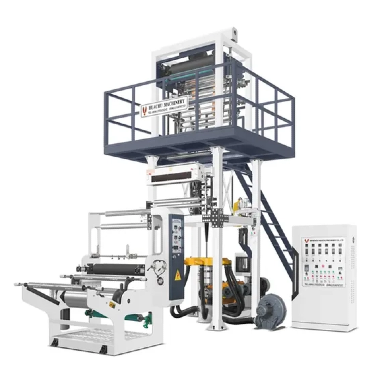
A film blowing machine is an industrial device designed to produce thin plastic films from raw plastic pellets. These films are then turned into packaging products such as plastic bags, wrapping films, and protective coverings.
The machine works by melting the plastic pellets, pushing the molten material through a circular die, and inflating it with air to form a thin bubble. This bubble is stretched, cooled, flattened, and wound into rolls of film. Depending on the design of the machine and the raw materials used, the films can have different thicknesses, strengths, and appearances.
Film blowing machines are the backbone of the plastic packaging industry because they provide a reliable and efficient way to create the films that form the basis of many everyday products.
The Basic Process of Film Blowing
Although the technology behind film blowing machines is advanced, the actual process can be explained in a few straightforward steps:
Feeding – Raw plastic pellets, such as polyethylene (PE) or polypropylene (PP), are fed into the machine through a hopper.
Extrusion – The pellets are heated and melted inside a screw and barrel system, turning them into a uniform molten material.
Blowing – The molten plastic is extruded through a circular die. Air is blown into the center, inflating the plastic into a bubble.
Cooling – The inflated bubble is cooled by air rings or other systems, helping it solidify into a stable film.
Flattening – The bubble is collapsed between rollers, creating a flat sheet of film.
Winding – The finished film is wound onto rolls for storage or further processing.
Each of these stages is carefully controlled to ensure the film’s thickness, transparency, and strength meet production requirements.
Types of Film Blowing Machines
Film blowing machines come in several varieties, each suited for different needs and applications. Some of the most common types include:
1. Single-Layer Film Blowing Machine
This is the most basic type, producing films with a single homogeneous layer. It is commonly used for standard packaging applications, such as shopping bags and simple wrapping films.
2. Double Layers Film Blowing Machine
Also known as AB film blowing machines, these use two extruders to produce films with two layers. The dual-layer structure enhances strength, flexibility, and barrier properties, making it useful for higher-quality packaging films.
3. Multi-Layer (Co-Extrusion) Film Blowing Machine
These machines can produce films with three or more layers. By combining different materials in each layer, manufacturers can create specialized films with excellent durability, transparency, and barrier performance against moisture, oxygen, or UV light.
Each type of machine has its advantages, and the choice depends on the specific requirements of the factory and the market it serves.
Materials Used in Film Blowing
The quality and properties of the film depend not only on the machine but also on the raw materials. Some commonly used plastics include:
LDPE (Low-Density Polyethylene) – Flexible, transparent, and widely used for bags and wrapping films.
HDPE (High-Density Polyethylene) – Stronger and stiffer than LDPE, ideal for grocery bags and industrial packaging.
LLDPE (Linear Low-Density Polyethylene) – Offers excellent stretchability and toughness, commonly used in stretch wrap and food packaging.
PP (Polypropylene) – Provides good clarity and resistance to heat, often used for snack packaging and protective films.
By selecting the right material or combination of materials, manufacturers can produce films tailored to specific applications.
Applications of Films Produced by Film Blowing Machines
The films made by film blowing machines are versatile and used across multiple industries. Some of the most common applications include:
1. Packaging and Containment
The most widespread use of blown films is in packaging. Plastic bags, shrink wrap, stretch film, and food wraps are all made using these machines. Packaging films provide strength, protection, and ease of handling.
2. Food Industry
High-quality films are used to preserve freshness, prevent contamination, and extend the shelf life of food products. Clear and printable films also support branding and product labeling.
3. Agriculture
Film blowing machines produce films used for mulching, greenhouse covers, and silage wrapping. These films protect crops from weather and pests while helping to manage soil conditions.
4. Industrial Uses
Heavy-duty films are used for wrapping pallets, covering machinery, or creating protective layers during transportation and storage. Their strength ensures products remain safe under demanding conditions.
5. Consumer Goods
Plastic films are also used in everyday items such as trash bags, garment covers, and product packaging for clothing, electronics, and household goods.
Advantages of Film Blowing Machines
Film blowing machines are popular in the packaging industry for good reason. Some of their key advantages include:
Versatility – They can produce films of varying thickness, width, and properties, suitable for many industries.
Efficiency – High-speed production ensures a continuous supply of film with minimal downtime.
Customization – By adjusting materials and processing conditions, films can be tailored for specific applications.
Cost-Effectiveness – Compared to other film-making methods, film blowing is economical and energy-efficient.
Scalability – Machines come in different sizes, allowing both small and large factories to use them effectively.
Challenges and Considerations
While film blowing machines offer many benefits, they also come with challenges.
Quality Control – Maintaining uniform thickness and avoiding defects requires precise control of machine settings.
Material Costs – The price of raw plastics can fluctuate, impacting production expenses.
Sustainability Concerns – With growing environmental awareness, manufacturers are under pressure to adopt recyclable and biodegradable materials.
Technical Expertise – Operating and maintaining these machines requires skilled workers and regular training.
Addressing these challenges is crucial for manufacturers who want to remain competitive and sustainable in the long term.
Future of Film Blowing Machines
The future of film blowing machines lies in innovation and sustainability. Manufacturers are developing smarter machines with digital controls, IoT connectivity, and automated thickness regulation. These features improve efficiency and reduce waste.
At the same time, machines are increasingly being designed to handle eco-friendly materials, including biodegradable plastics and recycled resins. As industries move toward greener packaging, film blowing machines will continue to evolve to meet these demands.
Conclusion
Film blowing machines may seem complex at first, but their purpose is straightforward: to transform plastic pellets into versatile films that serve countless applications across industries. From packaging food and goods to protecting crops and industrial products, these machines are the foundation of the modern packaging world.
For beginners, understanding the process, the types of machines, the materials involved, and their applications provides valuable insight into why film blowing is such an essential technology. As innovation continues, film blowing machines will only become more efficient, versatile, and environmentally friendly, ensuring they remain a key part of manufacturing for decades to come.


