Have you ever wondered why some plastic films are stronger and clearer than others? The film blowing process is crucial in producing high-quality plastic films used in various industries. However, common problems can hinder production efficiency and film quality.
In this post, we’ll explore the typical challenges faced during film blowing and provide practical solutions. You’ll learn how to optimize your production process, improve film properties, and address alignment issues effectively.
Understanding the Film Blowing Process
What is Film Blowing?
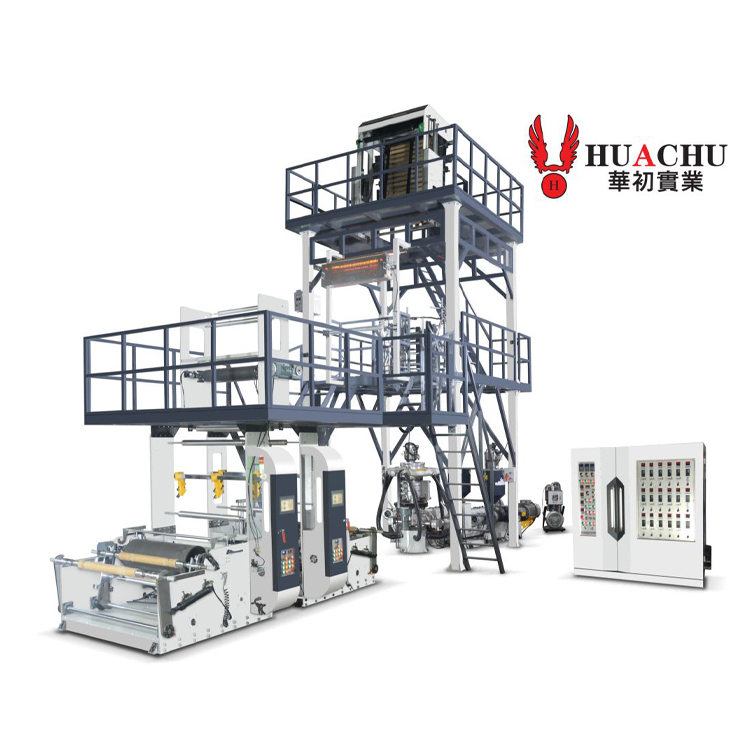
Film blowing is a widely used technique in plastic production, particularly for creating thin films. This process involves melting plastic resin and extruding it through a die to form a continuous tube. The tube is then inflated, creating a bubble that cools and solidifies into a film.
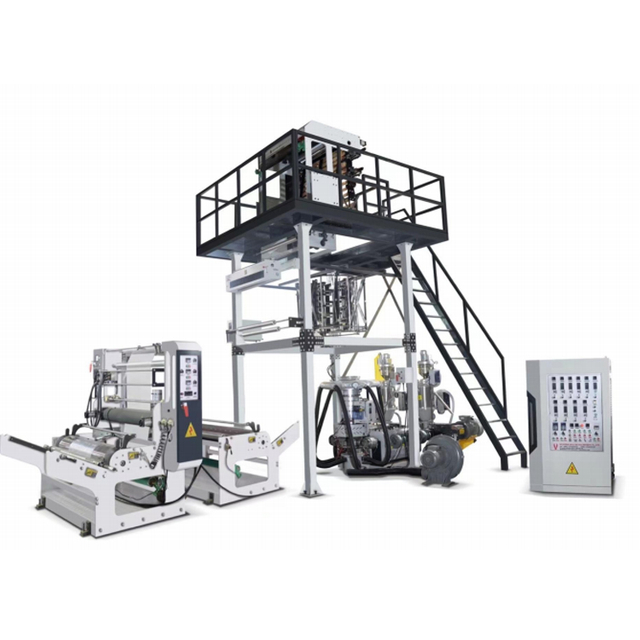
Key components of a blown film machine include:
● Extruder: Melts the resin and pushes it through the die.
● Die: Shapes the molten plastic into a tube.
● Air Ring: Introduces air into the tube, allowing it to expand.
● Cooling System: Cools the film to maintain its shape and properties.
● Winder: Collects the finished film into rolls.
This entire setup is crucial for achieving consistent film quality and thickness, which are essential for various applications.
Applications of Blown Film
Blown film is utilized across multiple industries, thanks to its versatility and effectiveness. Here are some key sectors where blown film plays a vital role:
● Packaging: Blown films are commonly used for bags, wraps, and pouches. They provide excellent barrier properties, protecting products from moisture and contamination.
● Agriculture: In this sector, blown films are used for mulch films and greenhouse covers. These films help in controlling soil temperature and moisture, promoting better crop yields.
● Construction: Blown films serve as vapor barriers and protective coverings in construction projects, ensuring durability and moisture resistance.
Common Products Made from Blown Film:
Product Type | Industry | Key Features |
Plastic Bags | Retail | Lightweight, strong, recyclable |
Agricultural Films | Agriculture | UV resistant, biodegradable options |
Shrink Wrap | Packaging | Excellent clarity, strong seal |
Barrier Films | Food Packaging | High moisture and oxygen barrier |
The versatility of blown film makes it a go-to choice for many manufacturers. Its ability to be tailored for specific applications allows companies to meet diverse market needs effectively.
In the realm of blown film extrusion, the focus is not just on producing films but also on ensuring they meet stringent quality standards. This is where understanding the film blowing process becomes essential. By mastering the intricacies of this process, manufacturers can optimize production, reduce waste, and enhance the overall quality of their products.
With advancements in technology, the film blowing process continues to evolve. Innovations in machinery and raw materials are helping manufacturers produce films that are not only stronger but also more environmentally friendly. As we navigate these developments, it’s clear that the film blowing process remains a cornerstone of the plastic industry, providing essential solutions across various applications.
Common Problems in the Film Blowing Process
Film blowing is a complex process, and several common issues can arise during production. These problems can affect the quality of the final product and lead to increased costs. Let’s break down some of these challenges and explore effective solutions.
1. Poor Film Adhesion
Causes:
● Using the wrong resin type can lead to poor adhesion.
● Low levels of opening agents often contribute to this issue.
● High extrusion temperatures may also compromise adhesion.
Solutions:
● Adjust the resin type to one that suits your application better.
● Increase the content of opening agents to improve surface properties.
● Lower the extrusion temperature to enhance adhesion.
2. Uneven Film Thickness
Causes:
● A non-uniform die gap can create variations in thickness.
● Inconsistent cooling during production affects the final film quality.
● Improper extrusion speed can lead to uneven film distribution.
Solutions:
● Regularly check and adjust the die gap for uniformity.
● Ensure consistent cooling by optimizing the cooling system.
● Monitor and regulate extrusion speed for better control.
3. Poor Transparency of Film
Causes:
● Low extrusion temperatures can result in hazy films.
● High moisture content in the resin may cloud transparency.
● Insufficient cooling can also contribute to this problem.
Solutions:
● Increase the extrusion temperature to enhance clarity.
● Implement drying techniques for resin to reduce moisture.
● Enhance the cooling process to solidify the film properly.
4. Wrinkles on the Film
Causes:
● Bubble instability during production often leads to wrinkles.
● Uneven film thickness can exacerbate this issue.
● Misalignment of rollers can create tension and distort the film.
Solutions:
● Stabilize the bubble to maintain a consistent shape.
● Adjust roller pressure to ensure even distribution.
● Regularly check for alignment and make necessary corrections.
5. Mist-like Water Marks
Causes:
● Low extrusion temperatures can cause condensation on the film.
● High moisture content in the environment contributes to water marks.
Solutions:
● Increase the extrusion temperature to minimize condensation.
● Implement drying systems to control moisture levels.
6. Film Blocking
Causes:
● High winding tension can lead to film sticking together.
● Inadequate anti-blocking agents often result in this issue.
Solutions:
● Adjust the winding tension to prevent excessive sticking.
● Increase the use of anti-blocking agents in the formulation.
7. Gel Formation in Film
Causes:
● Impurities in the resin can lead to gel formation.
● Inadequate melting of the resin may also cause this issue.
Solutions:
● Use high-quality raw materials to minimize impurities.
● Optimize melting conditions to ensure proper resin flow.
8. Bubble Instability
Causes:
● Irregular airflow can destabilize the bubble during production.
● Inconsistent resin feeding can lead to varying bubble sizes.
Solutions:
● Stabilize airflow to ensure even inflation of the bubble.
● Ensure a consistent feed of resin to maintain bubble integrity.
9. Low Film Strength
Causes:
● Inadequate polymer blending can weaken the film.
● Improper stretching during cooling may reduce film strength.
Solutions:
● Use high-quality resins that enhance film strength.
● Optimize stretching techniques during the cooling phase.
10. Contamination and Black Spots
Causes:
● Dust and debris can contaminate the film.
● Degraded material or burnt resin may create black spots.
Solutions:
● Implement rigorous cleaning protocols to maintain a clean environment.
● Regularly inspect materials to ensure they meet quality standards.
By addressing these common problems in the blown film extrusion process, manufacturers can significantly improve film quality and production efficiency. Understanding these issues and their solutions is crucial for maintaining high standards in film production.
Troubleshooting Techniques for Film Blowing Issues
When it comes to film blowing, troubleshooting is essential for maintaining quality and efficiency. Implementing effective techniques can help you identify and resolve issues quickly. Let’s explore some key strategies that can make a significant difference in your blown film extrusion process.
Regular Maintenance and Monitoring
Routine checks are vital for preventing issues before they escalate. Regular maintenance helps ensure that all components of the blown film machine operate smoothly. Here’s why it matters:
● Prevents Downtime: Regular inspections can catch potential problems early, reducing unexpected breakdowns.
● Enhances Quality: Consistent monitoring of equipment helps maintain film quality, reducing defects.
● Extends Equipment Life: Proper maintenance prolongs the lifespan of your machinery, saving costs in the long run.
Establish a maintenance schedule that includes daily, weekly, and monthly tasks. This schedule should cover everything from checking the extruder temperature to inspecting the cooling system.
Optimizing Machine Settings
Adjusting machine settings can significantly influence the quality of the film produced. Here are some key settings to monitor for optimal performance:
● Extrusion Temperature: Ensure the temperature is set according to the resin type. Too high or too low can lead to film defects.
● Die Gap: Regularly check and adjust the die gap for uniform film thickness. A non-uniform gap can cause uneven film quality.
● Cooling Rate: Monitor the cooling system to ensure it operates effectively. Proper cooling is crucial for film stability.
Setting | Recommended Action |
Extrusion Temperature | Adjust based on resin specifications |
Die Gap | Regularly measure and calibrate |
Cooling Rate | Ensure consistent airflow and temperature |
By keeping an eye on these settings, you can fine-tune the production process to minimize defects and maximize efficiency.
Material Selection and Preparation
Choosing the right materials is another critical factor in preventing common film blowing issues. The quality of your raw materials directly impacts the final product. Here’s what to consider:
● Resin Quality: Always opt for high-quality resins that meet industry standards. Impurities can lead to gel formation and other defects.
● Additives: Use appropriate additives, such as anti-blocking agents, to improve film properties. This can help prevent issues like film blocking and enhance clarity.
● Moisture Control: Ensure that materials are properly dried before use. High moisture content can lead to poor transparency and other problems.
By focusing on material selection and preparation, you can significantly reduce the likelihood of encountering issues during the blown film extrusion process.
Implementing these troubleshooting techniques not only helps address existing problems but also contributes to a more efficient and effective production process. By prioritizing maintenance, optimizing settings, and selecting the right materials, manufacturers can enhance the quality of their blown films and streamline operations.
Benefits of Using Filler Masterbatch in Film Blowing
In the realm of blown film extrusion, incorporating filler masterbatch can bring significant advantages. These benefits range from cost efficiency to enhanced film properties, making it a valuable addition to the production process.
Cost Efficiency
One of the primary reasons manufacturers turn to filler masterbatch is its ability to reduce production costs. Here’s how it achieves this:
● Lower Material Costs: Filler masterbatch allows for the use of less expensive base resins while maintaining desired film quality.
● Reduced Waste: By improving process stability, it minimizes defects and waste during production.
● Bulk Purchasing: Filler masterbatch can often be purchased in bulk, leading to further cost savings.
For example, using a calcium carbonate masterbatch can lower the overall material cost by up to 30%, while still achieving the necessary performance standards. This makes it a smart choice for companies looking to enhance their bottom line without sacrificing quality.
Enhanced Film Properties
Filler masterbatch not only cuts costs but also improves the properties of the final film. Key enhancements include:
● Increased Strength: Incorporating fillers can boost the tensile strength of the film, making it more durable.
● Improved Barrier Properties: Certain fillers can enhance the film's barrier characteristics, essential for packaging applications.
● Better Aesthetics: Filler masterbatches can improve the clarity and gloss of the film, making it more visually appealing.
Property Improvement | Benefit |
Tensile Strength | Stronger films that withstand stress |
Barrier Properties | Enhanced protection against moisture and gases |
Aesthetic Quality | Improved clarity and gloss for better appearance |
These enhancements are crucial for applications in packaging and agriculture, where durability and appearance are vital.
Improved Processability
Another significant advantage of using filler masterbatch is its effect on processability. Here’s what it does:
● Stabilizes Melt Flow: Filler masterbatch helps in achieving a more consistent melt flow, which is essential for uniform film thickness.
● Reduces Defects: By stabilizing the extrusion process, it minimizes common defects like gels and uneven thickness.
● Enhances Compatibility: Filler masterbatches can improve the compatibility of different resins, leading to better blending and processing.
Using filler masterbatch can lead to smoother operations in blown film extrusion, reducing downtime and increasing productivity.
Incorporating filler masterbatch not only enhances the quality of the final product but also streamlines the production process. This combination of cost savings, improved film properties, and better processability makes it an excellent choice for manufacturers in the blown film industry.
Conclusion
Addressing common problems in the film blowing process is crucial for maintaining quality. Misalignment, uneven thickness, and surface defects can impact production efficiency. Implementing effective solutions can optimize production and enhance film quality. Companies like Huachu offer valuable products that improve the blown film extrusion process. Their innovative solutions help manufacturers achieve better results and streamline operations.
FAQ
Q: What is the film blowing process?
A: The film blowing process involves extruding plastic to create thin films used in packaging and other applications.
Q: What are common problems in film blowing?
A: Common problems in film blowing include misalignment, uneven thickness, and surface defects, all affecting film quality.
Q: How can I improve film blowing quality?
A: To improve film blowing quality, implement regular maintenance, optimize machine settings, and select appropriate materials.
Q: Why is alignment important in film blowing?
A: Alignment is crucial in film blowing as it ensures uniform thickness and prevents defects, enhancing overall film quality.
Q: What costs are associated with film blowing?
A: Costs in film blowing can vary based on material selection, equipment maintenance, and production efficiency.


