Are you confused about the differences between ABA and ABC blown film extrusion lines? Understanding these distinctions is crucial for manufacturers aiming to optimize their production processes.
In this article, we will explore the unique features of each line and explain why these differences matter. You’ll learn how to choose the right equipment that meets your specific packaging needs and enhances efficiency.
What are Blown Film Extrusion Lines?
Blown film extrusion is a widely used process in the packaging industry. It involves melting plastic pellets and transforming them into thin film. This film can be used for a variety of applications, from grocery bags to industrial packaging.
Definition of Blown Film Extrusion
Blown film extrusion is a method of producing plastic film by extruding molten polymer through a circular die. The film is then inflated to form a bubble, which cools and solidifies as it rises. This technique allows for the creation of multi-layer films, providing enhanced properties like strength and barrier performance.
Key characteristics of blown film extrusion include:
● Material Versatility: It can accommodate various polymers, including HDPE, LDPE, and LLDPE.
● Thickness Control: The process allows for precise control over film thickness, which is crucial for different applications.
● Layering Capability: Multi-layer films can be produced, enhancing functionality and performance.
Overview of the Extrusion Process
The extrusion process consists of several steps that work together to create high-quality films. Here’s a breakdown of the key stages:
1. Feeding: Plastic pellets are fed into the extruder.
2. Melting: The pellets are heated until they melt into a viscous liquid.
3. Extrusion: The molten plastic is forced through a die to form a continuous tube.
4. Blowing: Air is introduced into the tube, expanding it into a bubble.
5. Cooling: The bubble is cooled to solidify the film as it rises.
6. Winding: The film is flattened and wound onto rolls for distribution.
This process is efficient and allows for high production rates, making it ideal for the packaging industry.
Importance in the Packaging Industry
Blown film extrusion lines play a critical role in the packaging sector. They are essential for producing films that meet various market demands. Here’s why they matter:
● Cost Efficiency: These lines enable manufacturers to produce large volumes of film quickly, reducing production costs.
● Customization: Different materials and thicknesses can be tailored to specific applications, enhancing product performance.
● Sustainability: Many manufacturers are now incorporating recycled materials, which helps reduce environmental impact.
Feature | ABA Blown Film Lines | ABC Blown Film Lines |
Number of Extruders | 2 | 3 |
Layer Structure | A/B/A | A/B/C |
Material Flexibility | Limited | High |
Typical Applications | Grocery bags, garbage bags | Food packaging, medical films |
The choice between ABA and ABC blown film extrusion lines depends on the specific needs of manufacturers. Understanding these differences helps in selecting the right technology for optimized production.
Blown film extrusion lines are integral to creating efficient and effective packaging solutions. As industries evolve, so do the technologies that support them, making it essential for manufacturers to stay informed about the latest advancements.
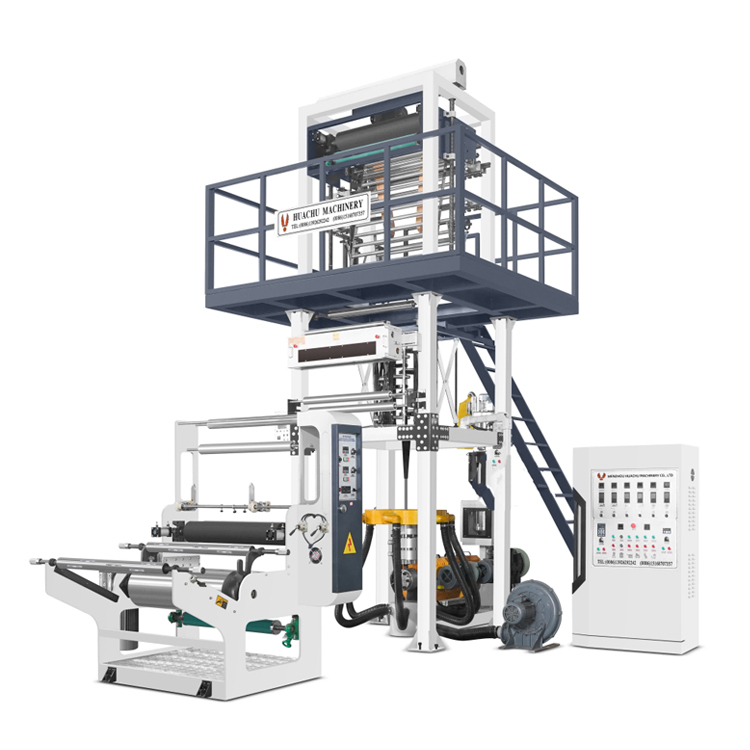
Key Differences Between ABA and ABC Blown Film Extrusion Lines
When comparing ABA and ABC blown film extrusion lines, several key differences emerge. These differences impact everything from structure to performance and cost considerations. Let’s break down the essential aspects.
Structural Differences
The structure of blown film extrusion lines significantly influences their capabilities. Here are the main points to consider:
● Layer Arrangement:
○ ABA lines feature a symmetrical structure (A/B/A), where the outer layers are identical.
○ ABC lines have an asymmetrical arrangement (A/B/C), allowing for distinct materials in each layer.
● Material Combinations:
○ In ABA lines, the outer layers are often made from the same material, which simplifies production.
○ ABC lines offer flexibility by allowing different materials in each layer, enhancing film properties.
● Control of Layer Proportions:
○ The ABC configuration allows for precise control over layer proportions and materials. This means manufacturers can tailor the film's characteristics for specific applications.
Performance and Functionality
Performance characteristics are crucial when choosing between these two types of blown film extrusion lines. Here’s how they differ:
● Control Difficulty and Operational Complexity:
○ ABA lines are generally easier to operate, given their simpler structure.
○ ABC lines require more complex controls but provide better performance due to their customizable layers.
● Film Performance Characteristics:
○ ABA films are suitable for general applications but may lack specific performance features.
○ ABC films excel in strength and barrier properties, making them ideal for high-demand applications like food packaging.
● Homogeneous Material Fusion:
○ ABC lines enable better fusion of materials, resulting in improved tensile strength and moisture barriers. This is particularly important for applications requiring durability and protection.
Cost Considerations
Cost is a significant factor in choosing the right blown film extrusion line. Here’s how ABA and ABC lines compare:
● Investment and Operational Costs:
○ ABA lines typically have lower initial investment costs and simpler operational requirements.
○ ABC lines, while potentially more expensive, can lead to higher efficiency and better product quality in the long run.
● Cost-Saving Strategies:
○ ABA lines can incorporate recycled materials in the middle layer, reducing material costs while promoting sustainability.
○ ABC lines may not utilize recycled materials as effectively, but their performance can justify the higher investment.
● Production Efficiency and Waste Management:
○ ABA lines are efficient for high-volume production of standard films.
○ ABC lines, while more complex, can reduce waste through better material utilization and tailored production processes.
Aspect | ABA Blown Film Lines | ABC Blown Film Lines |
Layer Arrangement | Symmetrical (A/B/A) | Asymmetrical (A/B/C) |
Material Flexibility | Limited | High |
Control Complexity | Lower | Higher |
Typical Applications | Grocery bags, garbage bags | Food packaging, medical films |
Cost Efficiency | Cost-effective | Higher initial investment |
Understanding these differences helps manufacturers make informed decisions about which blown film extrusion line best suits their needs. Whether prioritizing cost, performance, or flexibility, knowing the key distinctions can guide you toward the right choice.
Advantages and Disadvantages
When evaluating blown film extrusion lines, it's important to consider both the advantages and disadvantages of ABA and ABC structures. Each type has its strengths and weaknesses, which can significantly impact manufacturing efficiency and product quality.
Advantages of ABA Blown Film Extrusion Lines
ABA lines come with several benefits that make them appealing for specific applications:
● Cost-effectiveness:
○ These lines typically require a lower initial investment compared to ABC lines. This makes them ideal for businesses looking to minimize costs while maintaining production capacity.
● Simplicity in Operation and Maintenance:
○ ABA machines are generally easier to operate. Their straightforward design means less training is needed for staff, and maintenance is often less frequent.
● Suitable for Mass Production:
○ The efficiency of ABA lines makes them perfect for high-volume production runs. They can quickly produce large quantities of standard films, such as grocery and garbage bags.
● Strong Symmetry:
○ The symmetrical A/B/A structure is particularly effective for producing vest bags and other similar products. This symmetry ensures uniformity in film thickness and strength.
Disadvantages of ABA Blown Film Extrusion Lines
Despite their advantages, ABA lines also have some limitations:
● Limited Flexibility in Material Combinations:
○ The structure restricts the types of materials that can be used, which may not meet the needs of all applications.
● Less Optimal for High-Performance Requirements:
○ For applications requiring specialized films, ABA lines may fall short. They often lack the performance characteristics needed for advanced uses.
● Challenges in Achieving Diverse Film Properties:
○ The inability to customize layers can lead to difficulties in producing films with varied properties, such as enhanced barrier capabilities.
Advantages of ABC Blown Film Extrusion Lines
On the other hand, ABC lines offer distinct advantages that cater to more complex needs:
● Greater Flexibility in Material Selection:
○ The ability to use different materials in each layer allows for tailored solutions. This flexibility can enhance the performance of the final product.
● Ability to Produce High-Performance Films:
○ ABC lines excel in creating films that meet stringent performance standards. They are perfect for applications like food and medical packaging, where quality is crucial.
● Suitable for Diverse Market Needs:
○ With their customizable nature, ABC lines can adapt to various market demands, making them versatile in production.
● Independent Control of Each Layer:
○ This feature allows manufacturers to tailor the functionality of each layer. It enables the combination of materials that enhance strength, moisture barriers, and other necessary properties.
Disadvantages of ABC Blown Film Extrusion Lines
However, ABC lines are not without their challenges:
● Higher Initial Investment:
○ The complexity of ABC machines often means a higher upfront cost. This can be a barrier for smaller manufacturers.
● More Complex Operation and Maintenance:
○ Operating an ABC line requires more technical knowledge, which can lead to increased training costs and potential downtime.
● Potential Challenges in Achieving Consistent Quality Across Layers:
○ Managing multiple materials can complicate the production process. Ensuring uniform quality across all layers may require additional monitoring and quality control measures.
Aspect | ABA Blown Film Lines | ABC Blown Film Lines |
Cost | Lower initial investment | Higher initial investment |
Operation | Simpler | More complex |
Production Suitability | Mass production | High-performance needs |
Material Flexibility | Limited | Greater |
Understanding these advantages and disadvantages helps manufacturers make informed decisions about which blown film extrusion line aligns best with their production goals. Whether focusing on cost, performance, or adaptability, knowing the strengths and weaknesses of each type is essential.
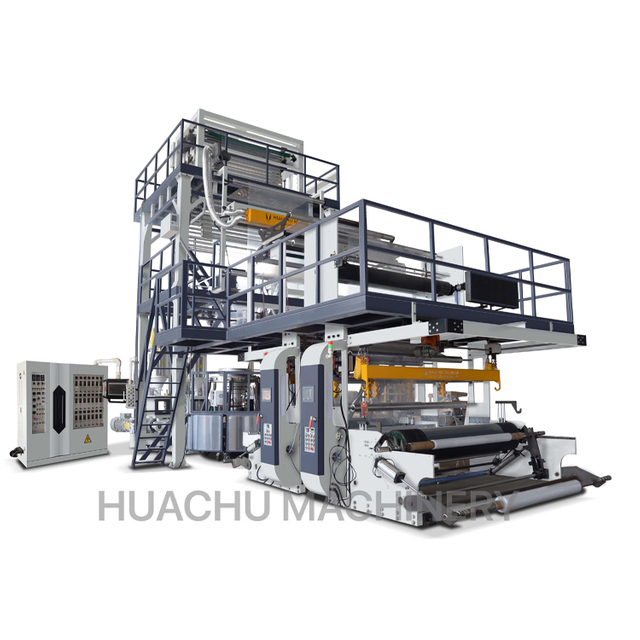
Choosing the Right Blown Film Extrusion Line
Selecting the appropriate blown film extrusion line is crucial for maximizing efficiency and meeting production goals. With various options available, it’s essential to consider several factors that can influence your decision.
Factors to Consider
When deciding between ABA and ABC blown film extrusion lines, keep the following factors in mind:
● Type of Products Being Manufactured:
○ Identify the specific products you plan to produce. If your focus is on standard bags, ABA lines may be suitable. For high-performance films, ABC lines could be the better choice.
● Market Demands and Customer Requirements:
○ Understand the needs of your target market. If customers require specialized films with distinct properties, ABC lines offer greater flexibility in material selection.
● Budget Constraints and Investment Capacity:
○ Assess your budget for initial investments and ongoing operational costs. ABA lines typically have lower upfront costs, making them attractive for smaller operations.
● Expected Production Volume and Flexibility Needs:
○ Consider your production volume. If you anticipate high-volume runs of standard products, ABA lines are efficient. For varied production needs, ABC lines provide the adaptability required.
Recommendations Based on Production Needs
Choosing the right line depends on your specific production requirements. Here are some recommendations:
● When to Choose ABA Over ABC:
○ Opt for ABA lines if:
■ You’re producing standard products like grocery or garbage bags.
■ Cost efficiency is a priority, and you have a limited budget.
■ Simplicity in operation and maintenance is essential for your team.
● When to Choose ABC Over ABA:
○ Go for ABC lines if:
■ You need to produce high-performance films for applications like food and medical packaging.
■ Flexibility in material selection is crucial to meet diverse customer demands.
■ You require independent control of each layer to tailor functionality.
● Importance of Assessing Future Flexibility in Material Ratios:
○ Consider your long-term production goals. If you expect to diversify your product line or adapt to changing market demands, investing in an ABC line may be more beneficial. It allows for adjustments in material ratios and compositions, ensuring you can respond quickly to new opportunities.
Consideration | ABA Blown Film Lines | ABC Blown Film Lines |
Product Type | Standard bags | High-performance films |
Budget | Lower initial investment | Higher initial investment |
Production Volume | High-volume standard runs | Diverse production needs |
Material Flexibility | Limited | Greater flexibility |
Choosing the right blown film extrusion line involves careful consideration of your production needs, market demands, and budget. By evaluating these factors, you can make an informed decision that aligns with your business objectives.
Conclusion
This article highlights the key differences between ABA and ABC blown film extrusion lines. ABA lines are cost-effective and suitable for mass production, while ABC lines offer greater flexibility and high-performance capabilities. Selecting the right line depends on your specific production needs and market demands. It's essential to assess these factors before making a decision. At Huachu, our products deliver unique advantages, providing value through efficiency and adaptability in your operations. Explore more about our offerings to enhance your production capabilities.
FAQ
Q: What are ABA and ABC blown film extrusion lines?
A: ABA and ABC blown film extrusion lines are types of machinery used for producing plastic films. ABA lines have a symmetrical structure, while ABC lines allow for more material flexibility.
Q: How do I choose between ABA and ABC blown film extrusion lines?
A: Consider your production needs, budget, and the types of products you want to manufacture. ABA lines are cost-effective for standard products, while ABC lines are better for high-performance films.
Q: What are the advantages of using ABA blown film extrusion lines?
A: ABA blown film extrusion lines are cost-effective, easy to operate, and suitable for mass production of standard bags and films.
Q: Why might I prefer ABC blown film extrusion lines?
A: ABC blown film extrusion lines offer greater flexibility in material selection and are ideal for producing high-performance films tailored to specific market demands.
Q: What factors affect the cost of blown film extrusion lines?
A: Costs can vary based on the type of line, production capacity, and features. Generally, ABC lines have higher initial costs due to their complexity compared to ABA lines.


