Ever wondered how packaging films maintain their quality and durability? The high-speed three-layer ABA film blown machine revolutionizes film production, ensuring superior strength and barrier properties. In this post, you'll learn about the machine's components, its impact on film quality, and its advantages over traditional methods. Discover how this technology enhances packaging across various industries.
Components of the ABA Film Blown Machine
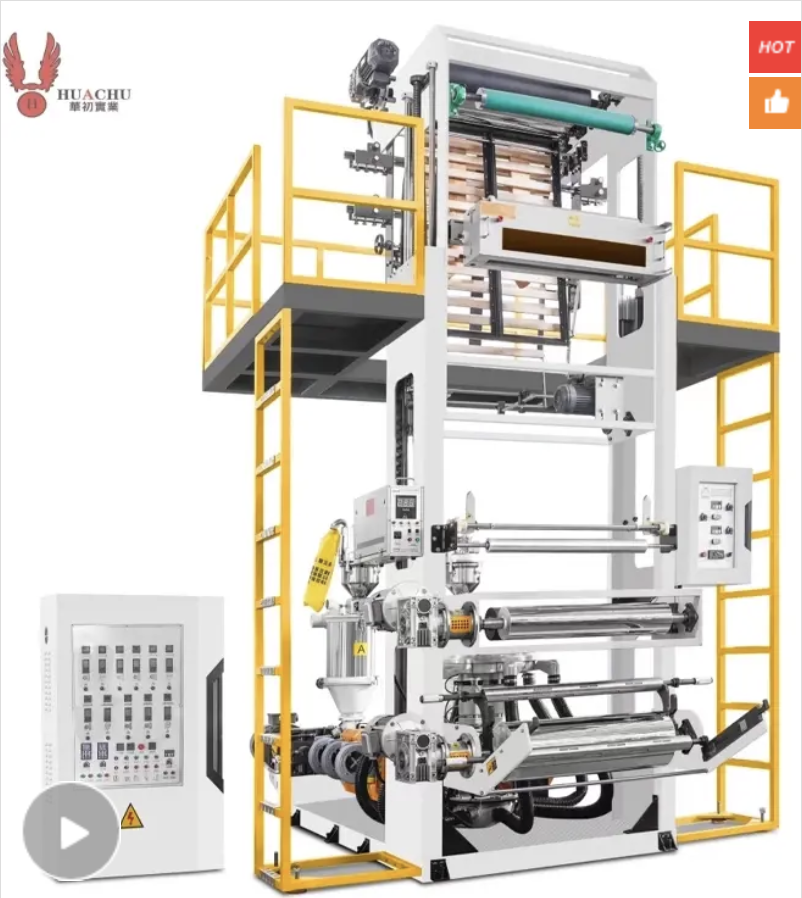
The high-speed three-layer ABA film blown machine is made up of several key components that work together to produce high-quality films. These components include:
● Extruders: Two extruders feed the machine, one for each layer of the film. The outer layers are typically identical (A layers), while the middle layer (B) provides special properties like strength or barrier protection.
● Die Head: The three molten polymer streams combine in a unique three-layer die head. This die ensures the layers bond properly while maintaining distinct properties.
● Air Ring: Surrounding the film bubble, the air ring cools and stabilizes the film as it is blown upward.
● Bubble Tower: The film bubble rises through a tower, allowing the film to cool and solidify.
● Nip Rollers: These rollers collapse the bubble into a flat film sheet.
● Winder: The final film is wound onto rolls for storage or further processing.
Each component plays a vital role in ensuring the film’s quality, uniformity, and performance.
How the Machine Operates
The operation begins with the extruders melting and feeding polymers into the three-layer die. The die blends the polymers into a layered tube that is inflated by air pressure to form a bubble. The air ring cools the bubble evenly, preventing defects like wrinkles or uneven thickness.
As the bubble rises, it stretches and thins to the desired film gauge. The bubble’s stability is crucial; the machine uses precise controls for air pressure, temperature, and haul-off speed to maintain consistent film dimensions.
Once the film reaches the top of the bubble tower, nip rollers flatten it into a double-layer sheet. The winder then rolls the film tightly, ready for packaging or converting.
This layered approach allows manufacturers to tailor film properties—such as strength, flexibility, and barrier resistance—by adjusting materials in each layer. The high-speed capability increases production efficiency while maintaining tight quality control.
Tip: Regularly monitor air ring temperature and bubble stability during operation to maintain uniform film thickness and minimize defects.
Advantages of Using a Three-layer ABA Film Blown Machine
Enhanced Film Strength and Durability
The three-layer ABA film blown machine significantly boosts film strength and durability compared to single-layer or traditional two-layer films. By layering polymers with different properties, manufacturers create a composite film that combines the best traits of each material. The outer A layers provide toughness and resistance to environmental factors, while the middle B layer adds mechanical strength and flexibility.
This structure helps films resist tearing, punctures, and stretching during handling and shipping. For example, films used in packaging heavy or sharp-edged products benefit from this enhanced durability, reducing damage and waste. The ability to customize the middle layer also allows for improved impact resistance or elasticity, depending on the application.
Improved Barrier Properties
Barrier properties are crucial for packaging films, especially those used in food, pharmaceuticals, or sensitive industrial products. The three-layer ABA design allows manufacturers to incorporate specialized polymers in the middle B layer that block gases, moisture, or odors more effectively than single-layer films.
This layered approach creates a barrier that protects products from contamination and extends shelf life. For instance, films with enhanced oxygen and moisture barrier properties help keep food fresher longer, reducing spoilage. Similarly, pharmaceutical packaging benefits from films that prevent moisture ingress, maintaining drug stability.
The outer layers also protect the barrier layer from physical damage and environmental exposure, ensuring consistent performance. This multi-layer design offers a cost-effective way to achieve superior barrier performance without using expensive materials throughout the entire film thickness.
Tip: To maximize film strength and barrier effectiveness, select polymer materials for each layer based on the specific requirements of your product and packaging environment.
Impact on Film Quality
Uniform Thickness and Consistency
One of the major benefits of the high-speed three-layer ABA film blown machine is its ability to produce films with uniform thickness and consistency. The machine’s precise control over extrusion rates for each layer ensures that the film’s gauge remains steady throughout the production run. This uniformity prevents weak spots or overly thick areas that could compromise the film’s performance.
The air ring plays a critical role here by cooling the film bubble evenly as it inflates. Even cooling helps maintain the bubble’s shape and size, which directly affects film thickness. Additionally, the bubble tower’s height and temperature settings allow the film to solidify gradually, further enhancing consistency.
The layered structure also supports uniformity. Since the outer A layers are identical and the middle B layer is carefully regulated, the overall film maintains a balanced composition. This balance is essential for applications requiring reliable mechanical and barrier properties.
Reduction in Defects and Waste
Using a high-speed three-layer ABA film blown machine significantly reduces common film defects such as pinholes, gels, and uneven surfaces. The advanced die head design ensures proper bonding between layers, eliminating delamination or weak interlayer adhesion issues. This results in stronger, defect-free films that meet strict quality standards.
Precise control over operating parameters—like melt temperature, haul-off speed, and air pressure—also minimizes defects caused by fluctuations during production. The machine’s automation and monitoring systems help detect and correct problems in real time, reducing downtime and material waste.
By producing consistent, high-quality films, manufacturers experience less scrap and fewer rejected batches. This efficiency not only saves raw materials but also reduces energy consumption and operational costs, contributing to more sustainable production.
Tip: Regularly calibrate extrusion rates and monitor bubble stability to maintain uniform film thickness and minimize defects, boosting overall product quality and reducing waste.
Applications in Various Industries
Packaging Industry
The high-speed three-layer ABA film blown machine plays a crucial role in the packaging industry. Its ability to produce films with excellent strength, durability, and barrier properties makes it ideal for packaging a wide range of products. For example, food packaging benefits greatly from films made with this technology because they help keep food fresh longer by blocking oxygen and moisture. This extends shelf life and reduces waste.
Moreover, these films are used for packaging pharmaceuticals, electronics, and consumer goods, where protection from environmental factors is essential. The machine’s precision ensures the films have consistent thickness, which is critical for automated packaging lines that require reliable material performance. The flexibility of the ABA structure allows manufacturers to customize films for specific needs, such as adding anti-static properties for electronics packaging or UV resistance for outdoor products.
Agricultural Uses
In agriculture, the high-speed three-layer ABA film blown machine produces films used for mulch films, greenhouse covers, and silage wraps. These films protect crops by controlling soil temperature, moisture, and weed growth. The enhanced barrier properties help retain moisture and nutrients in the soil, promoting better crop yields.
For greenhouse films, the ABA machine allows the creation of layers that filter sunlight and reduce harmful UV rays while maintaining durability against weather conditions. Silage films benefit from the machine’s ability to produce films with excellent puncture resistance, preventing damage during handling and storage.
Additionally, the machine’s speed and efficiency enable large-scale production of agricultural films, meeting the high demand in farming communities. The consistent quality reduces film failures, which can lead to crop loss or increased costs.
Tip: When selecting films for packaging or agricultural use, consider the specific environmental and mechanical requirements to choose the right polymer blend and layer structure for optimal performance.
Comparing ABA Film Blown Machines to Traditional Machines
Efficiency and Speed
High-speed three-layer ABA film blown machines outperform traditional single- or two-layer machines in efficiency and speed. These machines run at higher extrusion rates, producing more film per minute. The simultaneous processing of three layers reduces cycle time while maintaining product quality.
Traditional machines often require multiple passes or slower speeds to achieve similar film properties. In contrast, the ABA machine’s design allows continuous, stable film formation, minimizing downtime and bottlenecks. Its advanced control systems regulate temperature, pressure, and haul-off speed precisely, ensuring consistent output even at high speeds.
The ability to produce multi-layer films in one pass also cuts production time significantly. This means manufacturers can meet higher demand without sacrificing quality. Faster production cycles translate into lower labor costs and better use of factory floor space.
Cost-effectiveness
Although high-speed ABA film blown machines involve a higher initial investment, they often prove more cost-effective over time compared to traditional machines. The multi-layer process reduces raw material consumption by optimizing layer thickness and using less expensive polymers in the middle layer.
Traditional machines might use thicker single layers or multiple films laminated together, increasing material costs. The ABA machine’s precise layering minimizes waste, improving yield and lowering scrap rates. Additionally, reduced defects and consistent quality decrease the need for rework or product recalls.
Energy consumption is also optimized in ABA machines. Higher production speeds and better thermal management reduce energy per kilogram of film produced. Maintenance costs can be lower too, thanks to modern design features that simplify cleaning and component replacement.
The enhanced film properties achieved with ABA technology can open new markets or applications, increasing revenue potential. Overall, the balance of higher efficiency, material savings, and quality improvements makes the ABA film blown machine a smart investment.
Tip: When evaluating film blown machines, consider total cost of ownership—including production speed, material savings, and maintenance—not just upfront price to ensure long-term profitability.
Maintenance and Operational Considerations
Routine Maintenance Tips
Maintaining a high-speed three-layer ABA film blown machine ensures consistent film quality and extends machine life. Regular maintenance helps avoid unexpected breakdowns and costly downtime.
● Clean the Die Head Frequently: Residue buildup can cause layer bonding issues and defects. Use recommended solvents and tools to keep the die clean.
● Inspect and Replace Air Ring Components: The air ring controls bubble cooling. Check for blockages or wear and replace parts as needed to maintain even cooling.
● Lubricate Moving Parts: Nip rollers, haul-off systems, and winder bearings require regular lubrication to prevent wear and ensure smooth operation.
● Monitor Extruder Screws and Barrels: Over time, screws and barrels wear down, affecting melt quality. Schedule periodic inspections and replacements.
● Check Temperature Controls: Accurate temperature settings are vital for polymer melting and film formation. Calibrate sensors and controllers regularly.
● Examine Bubble Stability Systems: Ensure air pressure regulators and bubble guides function correctly to maintain bubble shape and film uniformity.
● Clean and Align Nip Rollers: Misaligned rollers cause wrinkles or uneven film thickness. Keep rollers clean and properly aligned.
● Maintain Winder Tension: Proper tension prevents film stretching or slack, ensuring consistent roll quality.
Following a scheduled maintenance plan reduces defects, improves uptime, and keeps production costs in check.
Troubleshooting Common Issues
Despite careful maintenance, operators may face common issues affecting film quality or machine performance. Quick identification and resolution minimize waste and downtime.
● Uneven Film Thickness: Often caused by air ring blockages, die lip wear, or unstable bubble. Check air ring airflow, clean die lips, and verify bubble stability controls.
● Layer Delamination: Poor bonding between layers may result from incorrect temperature, pressure, or contamination. Adjust melt temperatures, check die head sealing, and ensure clean materials.
● Film Wrinkles or Folds: Usually caused by misaligned nip rollers, incorrect haul-off speed, or unstable bubble. Realign rollers, adjust haul-off speed, and stabilize bubble inflation.
● Pinholes or Gels in Film: May indicate polymer contamination, improper melt temperature, or worn extruder screws. Use clean resins, optimize temperature, and inspect screws.
● Excessive Scrap or Waste: Can stem from inconsistent extrusion rates, machine vibrations, or faulty sensors. Calibrate extrusion rates, secure machine parts, and test sensors.
● Winder Malfunctions: Uneven winding or roll slippage often relates to incorrect tension settings or damaged rollers. Adjust tension and inspect rollers for wear.
● Air Ring Noise or Vibration: Indicates damaged or misaligned air ring parts. Inspect and replace components as necessary.
Operators should keep a log of issues and solutions to build troubleshooting expertise. Training staff on these common problems improves response times and product quality.
Tip: Develop a detailed maintenance checklist and train operators to perform daily machine inspections, helping catch issues early and maintain consistent film quality.
Conclusion
The high-speed three-layer ABA film blown machine enhances film quality by providing uniform thickness, improved strength, and superior barrier properties. It reduces defects and waste, making it ideal for diverse industries. As film blowing technology advances, machines like those from Wenzhou Huachu Machinery Co., Ltd. will continue to lead the market. Their products offer unique benefits, ensuring high efficiency and cost-effectiveness. This innovative technology provides significant value, meeting the evolving needs of modern manufacturing.
FAQ
Q: What is a High-Speed Three-layer ABA Film Blown Machine?
A: A High-Speed Three-layer ABA Film Blown Machine is an advanced equipment used to produce multi-layer films with enhanced properties like strength and barrier resistance by layering different polymers.
Q: How does the High-Speed Three-layer ABA Film Blown Machine improve film quality?
A: The High-Speed Three-layer ABA Film Blown Machine improves film quality by ensuring uniform thickness, reducing defects, and enhancing strength and barrier properties through precise control of extrusion and cooling processes.
Q: Why is the High-Speed Three-layer ABA Film Blown Machine more cost-effective?
A: The High-Speed Three-layer ABA Film Blown Machine is cost-effective due to reduced raw material usage, minimized waste, and lower energy consumption, despite its higher initial investment compared to traditional machines.
Q: How does the High-Speed Three-layer ABA Film Blown Machine enhance barrier properties?
A: The High-Speed Three-layer ABA Film Blown Machine enhances barrier properties by allowing the incorporation of specialized polymers in the middle layer, effectively blocking gases, moisture, and odors.
Imagine boosting production output without sacrificing quality. The High-Speed Three-layer ABA Film Blown Machine makes this possible. Its advanced design and capabilities redefine efficiency in film production. In this post, you'll learn how this machine enhances production efficiency, offering insights into its key features and operational benefits. Discover why it's a game-changer in the manufacturing industry.


