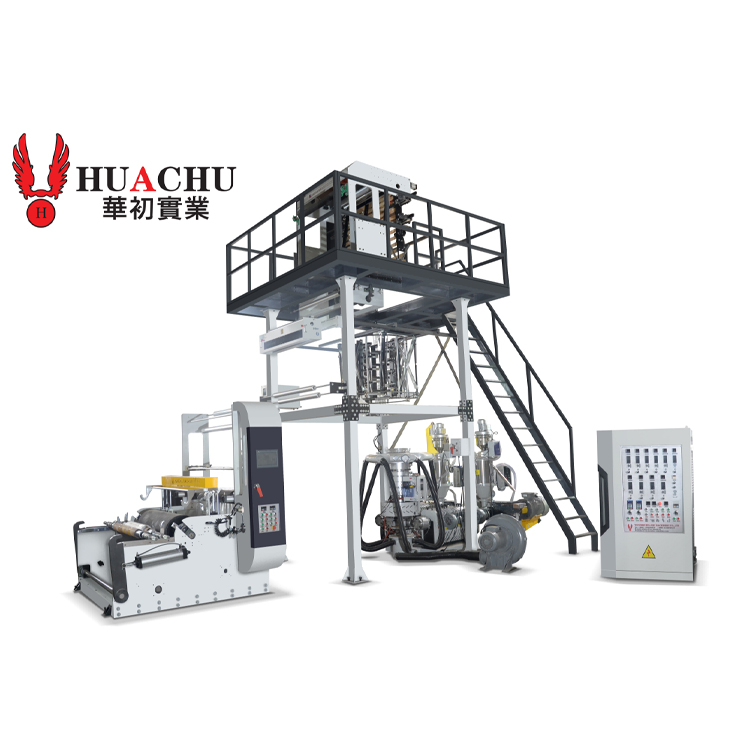
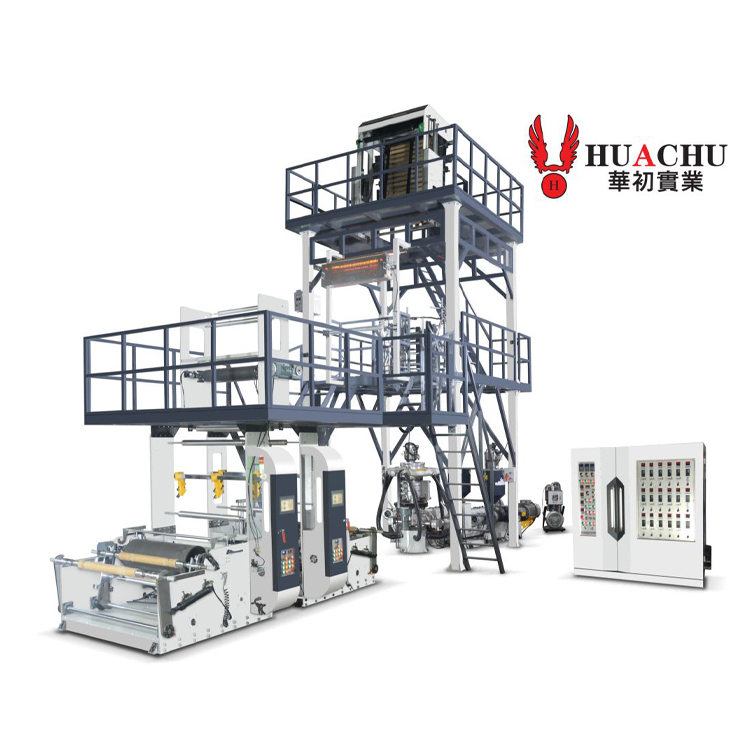
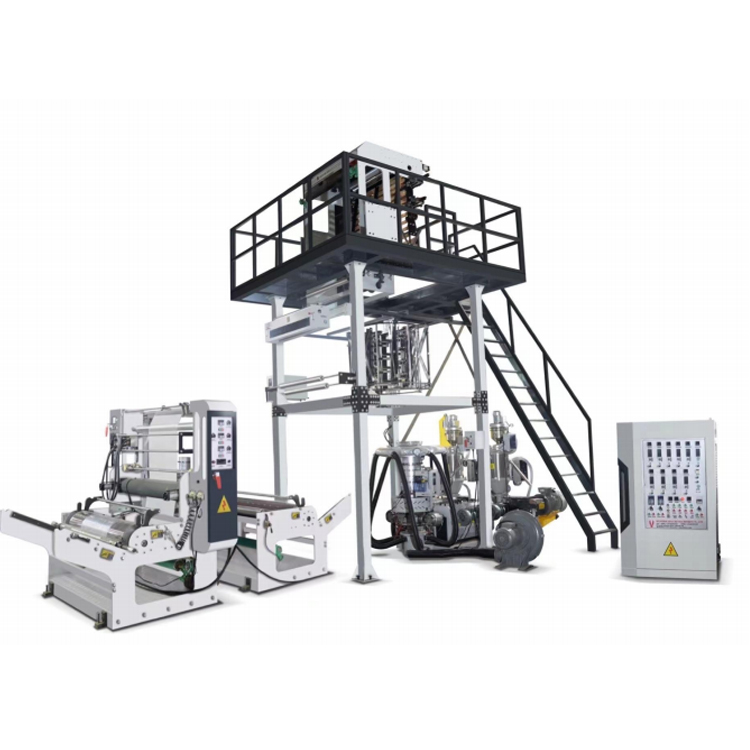
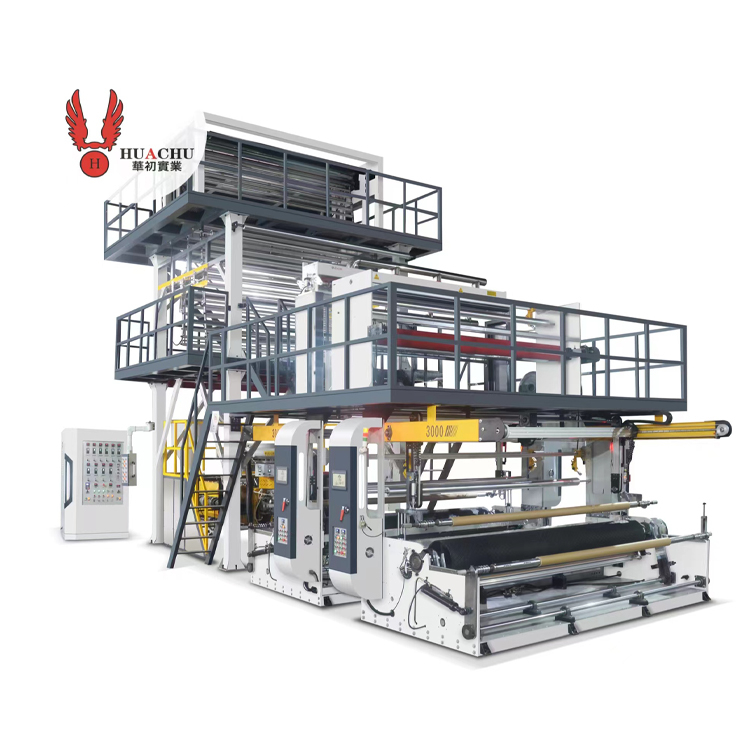
Choosing the right blown film machine can significantly impact your production efficiency and product quality. With so many options available, making the right choice is not easy. In this guide, we’ll walk you through the factors to consider when selecting a blown film machine, from material compatibility to production capacity. You'll learn how the right machine can improve your production process and reduce costs.
Understanding Your Production Needs
Choosing the right blown film machine starts with understanding your production needs. Key factors like production capacity, material types, and the end application of the film must align with your goals. In this section, we'll explore the main considerations for selecting the best machine for your business.
What is the Ideal Production Capacity for Your Blown Film Machine?
The first step in choosing a blown film machine is to determine your production volume. Machines come in a variety of capacities, so it's important to choose one that matches your needs. Here’s how to think about it:
Required Output: Estimate how much film you need to produce in a day, week, or month. This will help determine the machine's required output.
Film Width and Blow-Up Ratio: Larger films or films with a higher blow-up ratio require machines with higher capacities. A wider film means you need more extruder power.
High-Output vs. Low-Output Machines: High-output machines are ideal for large-scale production, while low-output machines work well for smaller volumes, ensuring you don’t overpay for unnecessary capacity.
Material Types: What to Consider for Your Blown Film Machine?
The material you choose impacts both the machine’s performance and the final product. Different materials have different requirements:
Material Selection: Common materials for blown film include PE, PP, and biodegradable options like PLA and PBAT. Choose materials that fit your product needs.
Material Properties: Properties such as density, melting point, and heat resistance all play a role in how well a material will process in a machine. For instance, high-density materials require more precise temperature control.
Compatibility: Ensure your chosen machine can handle the materials you plan to use. Not all machines are compatible with every type of plastic or biodegradable material.
What Are the Film Applications You Are Targeting?
Understanding the intended application of your film helps narrow down machine options. Different uses require specific properties in the film:
Food Packaging: Films for food packaging require high barrier properties to keep the contents fresh. Machines need to produce strong, uniform films for this.
Agricultural Film: Agricultural films must be resistant to weather conditions like UV rays and rain. Machines that create durable, weather-resistant films are essential.
Medical and Sterile Packaging: Medical films require compliance with stringent hygiene standards. Machines should be able to produce sterile and contamination-free films.
General-Purpose Films: For non-specialized uses, like shopping bags or garbage liners, a more general machine may suffice, as long as it provides reliable, consistent film quality.
Key Technical Features to Focus On
When selecting a blown film machine, it’s essential to understand the technical features that influence production efficiency and quality. These features play a major role in the consistency and performance of the film. Let’s dive into the key technical aspects to consider.
Screw Design: Why is It Critical in Blown Film Machines?
The screw design is at the heart of the extrusion process, and its specifications can affect the entire production process. Here’s what to keep in mind:
Length-to-Diameter Ratio: This ratio affects how well the materials melt and blend. A longer screw (higher ratio) can handle more complex materials, ensuring even melting.
Custom Screw Structures: Different materials require different screw designs. For example, biodegradable plastics like PLA require specialized screws to ensure proper processing without degradation.
Thickness Control: How Does Precision Affect Film Quality?
Film thickness control is crucial for ensuring consistent, high-quality products. Here’s why it matters:
Precision Measurement Systems: Machines with high-precision thickness control systems, like those with ±1.5 μm tolerance, are able to maintain uniform thickness. This consistency is vital for product quality and customer satisfaction.
Uniformity: Thin or thick spots in the film can result in waste, increased material costs, and lower film strength. Precision control helps maintain uniformity, improving both the appearance and performance of the film.
Energy Efficiency: Choosing a Blown Film Machine that Saves Costs
Energy efficiency is a key consideration when selecting a blown film machine, especially if you’re looking to reduce long-term operational costs:
Energy-Saving Features: Modern blown film machines often come with built-in energy-saving technologies. These can reduce electricity consumption by 15%-30%, making them more cost-effective in the long run.
Evaluating Energy Efficiency: Look for machines that offer energy-efficient motors, optimized heating systems, and other features designed to reduce power usage without compromising on output quality.
Extrusion and Blow-Up Ratio: What Does It Mean for Your Product?
The extrusion and blow-up ratio play a crucial role in determining the film’s properties:
Extrusion: This refers to the process of forcing the melted material through the die to create film. The extrusion rate needs to match your production capacity and material choice.
Blow-Up Ratio: The blow-up ratio is the ratio of the bubble’s diameter to the die diameter. A higher blow-up ratio means the film can be stretched more, making it thinner and more flexible. This is important for products that require specific film thickness or strength.
Intelligent and Automated Features
In today’s competitive market, blown film machines come with smart features that help increase production efficiency and reduce human error. These intelligent and automated features not only boost productivity but also enhance the overall quality of the films produced. Let’s explore some of these essential features.
Why Remote Monitoring Is Essential for Your Blown Film Machine
Remote monitoring allows operators to track production progress in real-time from anywhere, whether on a mobile device or computer. Here’s why it’s important:
Real-Time Monitoring: Operators can monitor the production process remotely, enabling quick adjustments and preventing potential issues.
Optimizing Conditions: By constantly checking production parameters, such as temperature and pressure, remote monitoring ensures that the machine stays within optimal conditions, improving film quality and reducing waste.
How Automated Roll Change and Alignment Enhances Efficiency
Automating tasks like roll change and alignment helps streamline operations and minimize downtime. This is crucial for keeping production lines running smoothly:
Automatic Roll Change: The ability to automatically change rolls eliminates the need for manual labor, reducing downtime and improving production efficiency.
Automated Alignment: With automated alignment, films are properly aligned throughout the process, reducing the risk of errors and the need for manual adjustments.
Data Traceability: Tracking Production Data for Improved Quality Control
Tracking and recording production data is vital for process improvement and quality control. Here’s how data traceability can help:
Recording Data: Every machine parameter, from extrusion speed to temperature, is recorded, giving operators valuable insights into production performance.
Improved Process Optimization: By analyzing production data, manufacturers can identify areas for improvement, refine processes, and ensure more consistent film quality, ultimately boosting production efficiency.
After-Sales Service and Long-Term Support
When purchasing a blown film machine, after-sales service and long-term support are crucial factors. A reliable service network ensures your machine keeps running smoothly over time. Let’s take a look at the key aspects of after-sales service.
Response Speed: How Quick is the Manufacturer's Support?
Technical issues can arise at any time, so quick support is essential. Here’s why fast responses matter:
24/7 Technical Support: Look for manufacturers offering round-the-clock support. Whether it’s a breakdown or troubleshooting, immediate assistance can minimize downtime.
Response Times and Assistance: Ask about typical response times and the level of assistance provided. Quick fixes and expert advice can save both time and money in the long run.
Spare Parts Availability: Is it Easy to Maintain the Blown Film Machine?
A steady supply of spare parts is vital for machine longevity and efficiency. Consider the following when assessing spare parts availability:
Critical Components: Ensure that the manufacturer offers reliable access to essential spare parts like screws, die heads, and motors. Delays in parts availability can disrupt production.
Questions to Ask: Ask manufacturers how often they replenish spare parts, and inquire about their stock levels and shipping times to ensure minimal downtime.
Upgrade Capability: Can Your Blown Film Machine Evolve With Your Business?
Your production needs may change over time, so it’s essential to choose a machine that can adapt. Consider the following:
Future-Proofing: A good blown film machine should have upgradeable features. This allows your equipment to keep up with changing technologies or increased production demands.
Scalability and Support: Make sure the manufacturer offers upgrades and customization options. This ensures your machine can grow with your business, avoiding the need for a full replacement.
ROI
When choosing a blown film machine, the cost is a significant factor to consider. However, price shouldn’t be the only decision-making factor. Let’s break down what influences the cost, how to balance price with performance, and how to calculate the return on investment (ROI).
Balancing Price vs. Performance: What’s More Important?
While price is important, you shouldn’t sacrifice performance for a lower cost. Here’s why:
Low-Cost Machines: Cheaper machines may seem attractive at first, but they could lack the features you need for high-quality, efficient production. These machines might also require more maintenance and have higher operating costs in the long run.
Quality Equipment: Investing in high-quality machines can lead to better film consistency, higher production rates, and lower maintenance costs. It’s often worth paying more upfront to avoid higher expenses later.
ROI: How to Calculate the Return on Investment for a Blown Film Machine
Calculating ROI helps you understand whether the investment is worth it. Here’s how to assess the return:
Cost-Effectiveness: Calculate how long it will take for the machine to pay for itself by comparing the costs to the potential profit it will generate.
Key Metrics:
- Energy Savings: Energy-efficient machines can reduce electricity consumption, helping to save on utility costs.
- Labor Costs: Machines with automation features reduce the need for manual labor, lowering staffing costs.
- Output Efficiency: Faster production and fewer defects mean higher throughput and more consistent products, which translates to greater profitability.
On-Site Inspections and Trial Runs
Before committing to a blown film machine, it's important to verify its performance in real-world conditions. Factory visits and trial runs can help ensure the machine fits your specific needs. Let’s dive into why these steps are crucial.
Why a Factory Visit Matters Before Buying a Blown Film Machine
Seeing a blown film machine in action before buying it gives you valuable insights into its performance. Here’s why visiting the factory is important:
Real-Time Performance: A visit lets you watch the machine operate and evaluate its efficiency, speed, and product quality.
What to Look For: Pay attention to the consistency of the film, ease of operation, and any issues like film defects or machine downtime. Ask about machine maintenance schedules and how often issues arise.
How Trial Runs Can Ensure Machine Compatibility with Your Materials
Trial runs provide a hands-on opportunity to test whether the machine works well with your specific materials. Here’s how a trial run helps:
Testing with Your Materials: By using your raw materials, you can see if the machine can handle them effectively, ensuring good film quality.
Confirming Machine Performance: A trial run helps you evaluate how the machine performs under real production conditions. It can highlight any adjustments needed before committing to a purchase.
Additional Features and Benefits
In addition to basic functionalities, many blown film machines come with advanced features that can improve sustainability, film quality, and production efficiency. Let’s explore some of these additional benefits.
Eco-Friendly Blown Film Machines: Sustainability Matters
Sustainability is becoming a key factor in film production, and more manufacturers are focusing on eco-friendly machines. Here’s why these machines are important:
Eco-Friendly Materials: There’s a growing demand for materials like recycled plastics and biodegradable options such as PLA and PBAT. These materials help reduce environmental impact and align with global sustainability goals.
The Future of Packaging: Machines designed for eco-friendly materials are essential for staying ahead of industry regulations and meeting consumer demands for sustainable products.
High-Precision Machines for Top-Quality Film Production
Precision technology plays a significant role in ensuring high-quality films. Here’s why high-precision machines matter:
High-Quality Films: Advanced machines produce films with consistent thickness and strength. This precision is crucial for applications requiring exact specifications, like food packaging or medical films.
Improved Film Consistency: Features like advanced die heads and traction units ensure that the film is uniform throughout the production process, reducing defects and improving product quality.
Intelligent Recycling Systems: Reducing Waste in Blown Film Production
Recycling systems in blown film machines are becoming increasingly important. These systems offer several key benefits:
In-Machine Recycling: Modern machines come equipped with intelligent recycling systems that allow for the reuse of edge trims and scrap materials during production. This reduces waste and improves efficiency.
Zero-Waste Manufacturing: These recycling systems help manufacturers achieve a zero-waste process, where virtually all material used in production is recycled, leading to cost savings and environmental benefits.
Conclusion: Making the Right Choice for Your Business
Choosing the right blown film machine involves considering factors like production capacity, material compatibility, and technical features.
Selecting the right machine is crucial for long-term success. It leads to higher efficiency, lower costs, and improved sustainability. Investing in quality equipment ensures your business stays competitive and meets future demands.
FQAs
Q: What is a blown film machine used for?
A: A blown film machine is used to produce plastic films by extruding molten plastic through a die and inflating it to create thin films for packaging, agriculture, and medical uses.
Q: How long do blown film machines last?
A: Blown film machines can last 10-20 years, depending on maintenance, usage, and technology.
Q: Can a blown film machine produce multi-layer films?
A: Yes, some blown film machines are capable of producing multi-layer films, offering better barrier properties and durability.
Q: What are the key differences between single-layer and multi-layer blown film machines?
A: Single-layer machines produce uniform films, while multi-layer machines offer enhanced film properties, like better strength, barrier resistance, and flexibility.