Are you struggling with unstable film bubbles in your blown film machine? This common issue can severely affect product quality and production efficiency. In this article, we will explore the significance of blown film machines in plastic film production. You’ll learn about the causes of unstable film bubbles and discover practical solutions to keep your production running smoothly.
What is a Blown Film Machine?
Working Principle of Blown Film Machine
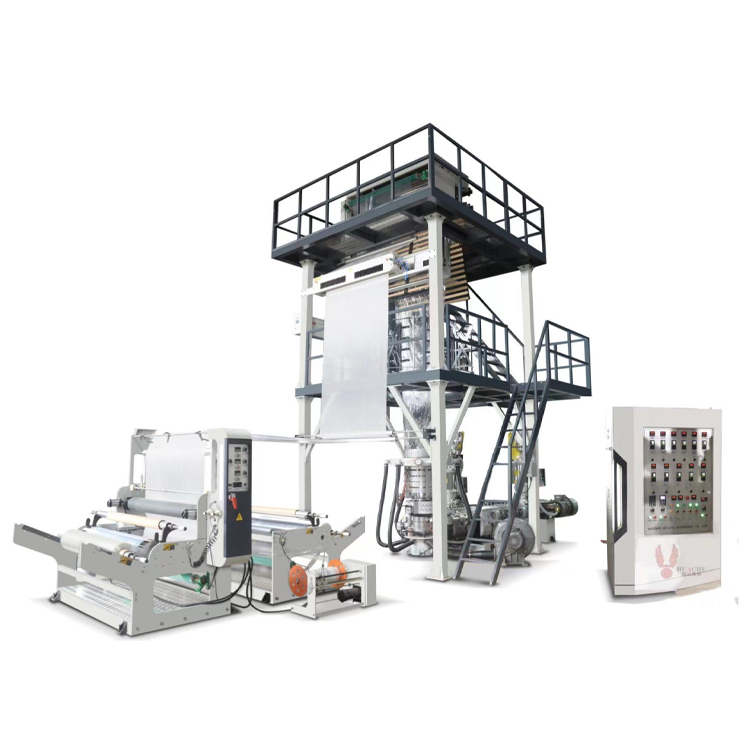
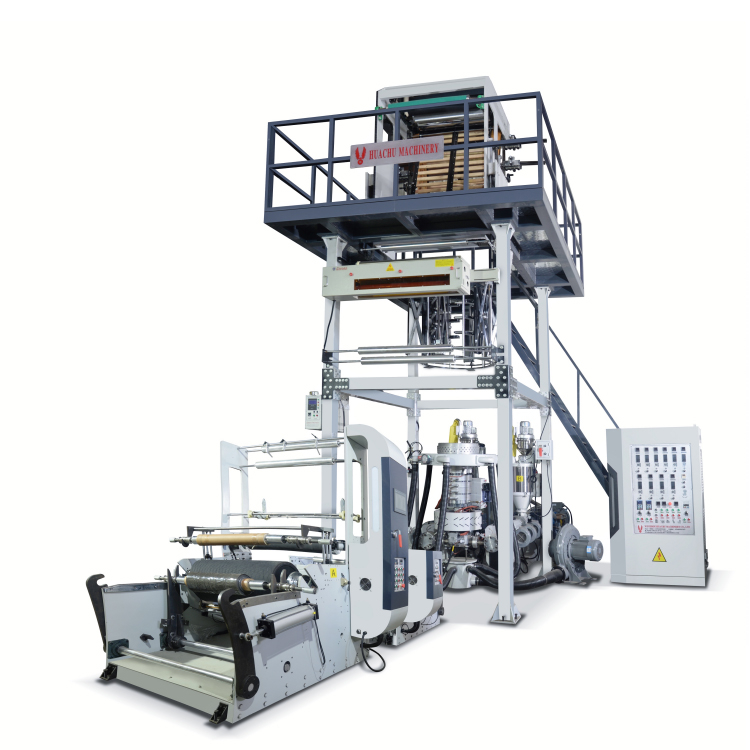
A blown film machine is a sophisticated piece of equipment designed to produce plastic films through a unique process. At its core, this machine consists of several key components:
● Extruder: The heart of the system, where plastic pellets are melted and formed into a continuous tube. The extruder heats the material until it reaches a molten state, ready for shaping.
● Die Head: This component shapes the molten plastic into a cylindrical form. The die head’s design is crucial; it determines the thickness and width of the film being produced.
● Air Ring: Once the molten plastic exits the die head, it is inflated by air introduced through the air ring. This inflation creates the film bubble, which expands as it rises.
● Cooling System: As the bubble rises, a cooling system, often using air, ensures the film solidifies quickly, maintaining its shape and preventing defects.
The formation of the film bubble is a fascinating process. After the molten plastic is extruded, it enters the air ring, where air is injected into the tube. This air pressure causes the tube to expand and form a bubble. As the bubble rises, it cools and solidifies, resulting in a thin, flexible film. Proper control of temperature, pressure, and air flow is essential to ensure a stable bubble and high-quality film.
Applications of Blown Film Machines
Blown film machines are widely used across various industries, making them versatile tools in plastic production. Here are some key applications:
● Packaging: One of the most significant uses of blown film is in packaging materials. From grocery bags to food wraps, the films produced are lightweight yet durable, making them ideal for protecting products.
● Agriculture: Blown films are also crucial in agriculture, where they are used for greenhouse covers, mulch films, and silage bags. These films help in crop protection and enhancing growth conditions.
● Construction: In the construction industry, blown films serve as vapor barriers and protective covers for building materials. Their strength and flexibility make them suitable for various applications.
● Industrial Uses: Many industries utilize blown films for manufacturing protective wraps, shrink films, and liners. The ability to customize thickness and properties makes these films suitable for diverse applications.
Industry | Application Examples |
Packaging | Grocery bags, food wraps |
Agriculture | Greenhouse covers, mulch films |
Construction | Vapor barriers, protective covers |
Industrial Uses | Protective wraps, shrink films, liners |
The blown film machine's ability to produce high-quality, customized films has made it an essential asset. As industries evolve, the demand for innovative and efficient blown film solutions continues to grow. Understanding the workings and applications of blown film machines helps businesses optimize their production processes and meet market demands effectively.
Causes of Unstable Film Bubbles
Temperature and Pressure Fluctuations
Temperature and pressure play critical roles in the stability of film bubbles produced by a blown film machine. When these factors fluctuate, the integrity of the bubble is compromised, leading to defects in the final product.
● Temperature Variations: If the temperature is too high, the film may become overly thin and weak. Conversely, low temperatures can result in insufficient melting of the material, causing uneven flow and instability.
● Pressure Changes: Fluctuations in air pressure can lead to uneven inflation of the bubble. This inconsistency can create weak spots or cause the bubble to collapse.
Common causes of these fluctuations include:
● Inconsistent heating elements in the extruder.
● Variability in the cooling system's performance.
● External environmental factors, such as drafts or temperature changes in the production area.
Die Head Design and Installation Issues
The design and installation of the die head are vital to achieving stable film bubbles. The geometry and opening size significantly influence how the molten plastic is shaped and inflated.
● Geometry Impact: An improperly designed die head can lead to uneven flow of the molten material. This inconsistency can cause the bubble to form unevenly, resulting in weak areas that may burst during production.
● Installation Problems: If the die head is not installed correctly, it can lead to misalignment. This misalignment can cause uneven pressure distribution, further exacerbating bubble instability.
Raw Material Quality
The quality of raw materials directly affects the stability of film bubbles. Using low-quality materials can lead to significant production issues.
● Melt Flow Index (MFI): The MFI measures how easily a material flows when heated. A high MFI indicates that the material flows too easily, which can lead to thin spots in the film. Conversely, a low MFI can cause processing difficulties and uneven film thickness.
● Purity of Raw Materials: Impurities in the raw materials can lead to defects in the film. Contaminants can cause variations in melting behavior, affecting the overall stability of the bubble.
Common issues associated with low-quality raw materials include:
● Increased production waste due to defects.
● Higher rates of downtime as adjustments are made to compensate for material inconsistencies.
Operating Parameter Settings
Optimizing operating parameters is essential for maintaining bubble stability in a blown film machine. Key settings include rotation speed, traction speed, and airflow.
● Rotation Speed: This affects how quickly the material is fed into the extruder. If the speed is too high, it can lead to overheating, while too low can cause blockages.
● Traction Speed: This refers to the speed at which the bubble is drawn upward. If the traction speed is not synchronized with the extrusion speed, it can lead to stretching or collapsing of the bubble.
● Airflow: Proper airflow is crucial for maintaining bubble shape. Insufficient airflow can lead to under-inflation, while excessive airflow can cause the bubble to burst.
It's important to adjust these parameters based on the characteristics of the materials being used. Each type of resin has specific requirements for optimal processing, and understanding these can help improve film quality and reduce defects.
Parameter | Impact on Bubble Stability |
Rotation Speed | Affects feeding and melting consistency |
Traction Speed | Influences bubble shape and thickness |
Airflow | Maintains proper inflation and shape |
By addressing these causes of unstable film bubbles, manufacturers can enhance the efficiency of their blown film machines and produce higher-quality films.
Professional Solutions for Unstable Film Bubbles
Optimize Temperature and Pressure Control
Controlling temperature and pressure is crucial for achieving stable film bubbles in a blown film machine. Advanced monitoring systems can significantly enhance this control.
● Monitoring Systems: Implementing sophisticated temperature and pressure monitoring systems allows for real-time adjustments. These systems can detect fluctuations and automatically correct them, ensuring consistent conditions.
● High-Precision Sensors: Using high-precision sensors improves control accuracy. They provide precise readings, allowing operators to make informed decisions quickly. This precision helps maintain optimal conditions, reducing the risk of bubble instability.
By investing in these technologies, manufacturers can minimize defects and improve overall production efficiency.
Improve Die Design and Installation
The design and installation of the die head are fundamental to bubble stability. Optimizing these aspects can lead to significant improvements.
● Die Geometry and Opening Size: Adjusting the die head's geometry and opening size can enhance the flow of molten plastic. A well-designed die promotes even distribution, reducing the likelihood of weak spots in the film.
● Regular Inspection and Maintenance: Frequent checks and maintenance of the die head are essential. This ensures that any wear or misalignment is addressed promptly, preventing issues that could lead to unstable bubbles.
A well-maintained die head contributes to consistent film quality and reduces the risk of production downtime.
Strictly Control Raw Material Quality
The quality of raw materials directly impacts film stability. Implementing strict quality control measures is essential.
● Selecting High-Quality Materials: Establish standards for choosing plastic raw materials. Look for materials with consistent melt flow indices and minimal impurities. This ensures that the film produced has the necessary strength and flexibility.
● Storage and Transportation Best Practices: Proper storage and transportation of raw materials are vital to prevent contamination. Use sealed containers and maintain appropriate environmental conditions to protect materials from moisture and other contaminants.
By focusing on raw material quality, manufacturers can significantly enhance the stability of the film bubbles produced.
Optimize Operating Parameters
Fine-tuning operating parameters is key to maintaining bubble stability in a blown film machine. Each material and film thickness may require different settings.
● Parameter Optimization: Adjust settings such as rotation speed, traction speed, and airflow based on the specific materials used. For instance, faster rotation speeds may be appropriate for certain resins, while others may require slower speeds for optimal results.
● Automated Control Systems: Introducing automated control systems can provide real-time adjustments. These systems can respond instantly to changes in production conditions, ensuring consistent quality and reducing the likelihood of defects.
Parameter | Recommended Actions |
Rotation Speed | Adjust based on resin type for optimal flow |
Traction Speed | Sync with extrusion speed to maintain bubble shape |
Airflow | Ensure sufficient airflow for proper inflation |
Implementing these professional solutions can significantly reduce the occurrence of unstable film bubbles. By focusing on temperature control, die design, raw material quality, and operating parameters, manufacturers can enhance their production processes and achieve higher quality films.
Maintenance and Management Recommendations
Regular Calibration of Equipment
Calibration is vital for ensuring the consistent performance of a blown film machine. It directly impacts bubble stability and the overall quality of the film produced.
● Importance of Calibration: Regular calibration helps maintain precise control over temperature and pressure settings. When equipment is calibrated correctly, it minimizes the risk of fluctuations that can lead to unstable film bubbles.
● Routine Calibration Schedule: Establishing a regular calibration schedule is essential. Ideally, calibration should occur at least once a month, or more frequently if production demands change. This proactive approach helps catch potential issues before they affect production quality.
Proper Cooling System Maintenance
The cooling system plays a critical role in stabilizing the film bubble during production. Proper maintenance of this system ensures that the film retains its shape and consistency.
● Cooling System Role: A well-functioning cooling system helps solidify the film as it rises, preventing defects caused by overheating. It also ensures uniform cooling, which is crucial for maintaining bubble integrity.
● Regular Inspections: Inspecting and maintaining cooling rings and air distribution systems is key. Check for blockages, leaks, or wear that could affect cooling efficiency. Regular maintenance can significantly reduce the risk of bubble instability.
Inspect and Replace Worn Components
Components in a blown film machine experience wear over time, which can adversely affect bubble stability. Regular inspections and timely replacements are essential for smooth operations.
● Impact of Worn Components: Worn or damaged parts can lead to uneven extrusion, causing variations in bubble thickness. This inconsistency can result in weak spots and ultimately affect the quality of the final product.
● Maintenance Plans: Implement a maintenance plan that includes regular checks of critical components such as the die head, extruder screws, and cooling systems. Establish a replacement schedule for parts that show signs of wear, ensuring they are replaced before they can cause significant issues.
Component | Signs of Wear | Recommended Action |
Die Head | Uneven film thickness | Inspect and replace if necessary |
Extruder Screws | Excessive wear or pitting | Schedule replacement regularly |
Cooling Rings | Blockages or leaks | Clean and inspect regularly |
By focusing on these maintenance and management recommendations, manufacturers can enhance the reliability of their blown film machines. This proactive approach not only improves film quality but also extends the lifespan of the equipment, ultimately leading to more efficient production processes.
Common Issues Faced in Blown Film Production
Difficulties with Leading the Mold
Leading the mold in a blown film machine is crucial for maintaining film quality. However, several issues can arise during this process.
● Improper Temperature Control: If the temperature at the machine head is not regulated properly, it can lead to inconsistent flow of the molten plastic. This inconsistency can result in uneven film thickness and poor quality.
● Uneven Die Output: An uneven output from the die can cause defects in the film. Variations in the material flow lead to weak spots and potentially cause the film to tear during processing or use.
To address these issues, regular calibration of temperature controls and consistent monitoring of die performance are essential. This ensures that the machine operates within the optimal temperature range, leading to better film quality.
Bubble Tube Skew and Swing
Bubble tube skew and swing are common challenges in blown film production, often caused by various factors.
● Causes: Temperature imbalances and inefficient cooling can lead to skew and swing in the bubble tube. If one side of the bubble cools faster than the other, it can create an imbalance, causing the tube to skew or swing unpredictably.
● Solutions: To mitigate these problems, ensure that the cooling system is functioning effectively. Adjusting the airflow and temperature settings can help achieve more uniform cooling. Regularly inspecting the cooling rings and air distribution systems will also help maintain consistent conditions.
Implementing these adjustments can lead to a more stable bubble and improved film quality.
Surface Flowering and Wrinkles
Surface flowering and wrinkles are unsightly defects that can significantly affect the quality of the final product.
● Identification of Causes: Flowering on the film surface often results from improper cooling or excessive moisture in the raw materials. Wrinkles can occur due to uneven tension in the film as it is drawn up, often linked to improper operating parameters.
● Preventive Recommendations: To prevent these issues, it’s important to maintain optimal cooling conditions and ensure that raw materials are stored properly to avoid moisture absorption. Regularly inspecting the film for tension imbalances during production can help identify potential problems early.
Issue | Causes | Solutions |
Leading the Mold | Improper temperature control, uneven die output | Regular calibration, consistent monitoring |
Bubble Tube Skew | Temperature imbalances, inefficient cooling | Adjust airflow, inspect cooling systems |
Surface Flowering | Improper cooling, moisture in raw materials | Maintain optimal cooling, store materials properly |
By understanding these common issues and implementing effective solutions, manufacturers can improve the performance of their blown film machines. Addressing these challenges not only enhances film quality but also boosts overall production efficiency.
Conclusion
This article outlines effective solutions to address unstable film bubbles in blown film machines. Key strategies include optimizing temperature and pressure control, improving die design, and ensuring high-quality raw materials. Regular maintenance and calibration of equipment are essential for consistent performance. Continuous optimization and maintenance of these systems are crucial for achieving high-quality film production. Readers should stay informed about the latest technologies and trends in blown film machinery. At Huachu, our products offer unique advantages that enhance production efficiency and reliability, providing exceptional value to our clients.
FAQ
Q: What causes unstable film bubbles in a blown film machine?
A: Unstable film bubbles can be caused by improper temperature control, uneven die output, and inadequate cooling systems in the blown film machine.
Q: How can I optimize the performance of my blown film machine?
A: Regular calibration, maintenance of cooling systems, and using high-quality raw materials are essential for optimizing your blown film machine's performance.
Q: Why is temperature control important in blown film production?
A: Temperature control is crucial because it affects the viscosity of the molten material, impacting the stability of the film bubble produced by the blown film machine.
Q: What are the advantages of using a blown film machine?
A: Blown film machines offer high production efficiency, versatility in film thickness, and the ability to produce films with excellent mechanical properties.
Q: How can I troubleshoot issues with my blown film machine?
A: Start by checking temperature settings, inspecting the die for blockages, and ensuring the cooling system is functioning properly to troubleshoot common issues.


