Introduction
Have you ever faced issues with unstable film bubbles during blown film production? This problem can lead to defects in the final film, affecting both quality and production efficiency.
In this article, we will discuss the main causes of unstable film bubbles in Film Blowing Machines and offer practical solutions to resolve them. You’ll learn about factors like temperature, pressure, and material quality, as well as how to optimize machine settings for better stability.
Understanding the Causes of Unstable Film Bubbles
Temperature and Pressure Fluctuations
One of the main reasons for unstable film bubbles is temperature and pressure fluctuations during the extrusion and inflation processes. The temperature of the melt, die, and cooling system significantly impacts the consistency of the film. A temperature variation can cause the plastic to flow unevenly, resulting in a non-uniform bubble that leads to thicker and thinner sections in the film.
Inconsistent pressure control during extrusion and bubble inflation also contributes to instability. If the air pressure is too high, the bubble can expand unevenly and become unstable, leading to variations in film thickness. Conversely, low air pressure can result in a film that is not properly stretched, leading to weak spots and inconsistent physical properties.
Solution: Ensure that both temperature and pressure are carefully controlled. Implementing real-time monitoring systems and precision sensors can help detect and correct fluctuations, ensuring that the film bubble remains stable during the entire production process. Regular calibration of the temperature and pressure gauges is also essential for maintaining consistency.
Die Head Design and Installation
The die head design and installation are crucial for controlling the formation of the film bubble. If the die opening is too large, too small, or improperly aligned, the plastic flow can become uneven, leading to an unstable film bubble. The shape and size of the die directly influence the film’s formation, and any issues with the die head can compromise the entire extrusion process.
Improper installation of the die head can also create uneven flow patterns, resulting in fluctuations in film thickness. This can make it difficult to maintain a consistent bubble size, leading to instability in the final film.
Solution: Regularly inspect the die head and its components for wear and tear. Adjust the die head’s geometry and ensure that it is correctly installed to avoid irregularities in film formation. Manufacturers should also consider upgrading to high-precision die heads to improve consistency. Proper maintenance of the die head ensures that film flow remains smooth and controlled, reducing the likelihood of instability.
Raw Material Quality
The quality of the raw materials used in the production process can also affect the stability of the film bubble. Polyethylene resins or other materials with inconsistent Melt Flow Index (MFI) or contamination can cause uneven flow during extrusion, leading to unstable bubbles. Impurities or variations in material properties can result in inconsistent film thickness and mechanical properties.
Using raw materials with consistent MFI is crucial to ensuring uniform flow during extrusion. Materials with impurities, such as moisture or foreign particles, can cause issues during extrusion, leading to inconsistent film formation.
Solution: To maintain a stable film bubble, it’s important to use high-quality resins with consistent MFI values. Additionally, manufacturers should focus on proper material handling to avoid contamination and consider homogenizing the raw materials before extrusion to ensure uniformity. Using automated feeding systems can further enhance material consistency and minimize contamination risks.
Inconsistent Operating Parameters
Operating parameters such as extruder speed, airflow, traction speed, and cooling rates all play a role in the stability of the film bubble. If any of these parameters are not set correctly, they can lead to inconsistent stretching, insufficient cooling, or improper inflation, all of which contribute to an unstable bubble.
For instance, running the extruder at too high a speed can lead to an uneven melt, while improper airflow through the air ring can cause air pockets and bubbles that affect the film’s consistency. If the traction speed isn’t synchronized with the extrusion speed, the bubble will collapse unevenly, causing irregular thickness.
Solution: Fine-tune operating parameters for optimal bubble stability. This includes adjusting the extruder speed, ensuring consistent airflow, and monitoring cooling rates. Utilizing automated control systems that monitor these parameters can help improve consistency and reduce the likelihood of instability. Regular operator training can also help in maintaining uniform settings across production runs.
Key Solutions to Resolve Film Bubble Instability
Optimizing Temperature and Pressure Control
The first and most important step in stabilizing the film bubble is optimizing temperature and pressure control. By maintaining consistent temperatures across the extrusion system, die, and cooling process, manufacturers can prevent fluctuations in the film’s thickness. Furthermore, consistent pressure in the inflation system helps ensure that the bubble expands evenly, leading to a uniform film.
● Temperature control: Invest in advanced temperature sensors and heating systems that provide real-time feedback, ensuring that the extrusion process is always within the optimal temperature range.
● Pressure control: Use high-precision pressure regulators and automated control systems that can detect pressure drops and fluctuations, automatically adjusting to maintain stability.
Benefits: Implementing effective temperature and pressure control systems can reduce defects and improve film quality and consistency. This leads to higher production efficiency and less waste. Automated monitoring systems also help prevent human error and enhance operational precision.
Improving Die Head Design and Installation
Improving the design of the die head and ensuring its correct installation are crucial to controlling the film bubble. An optimized die head design with a precise opening size helps maintain an even flow of the plastic material, reducing the likelihood of variations in the film’s thickness. Additionally, correct die alignment and regular maintenance can prevent issues with film bubble stability.
Solution: Use high-quality die heads designed for consistent film formation. Proper die head alignment, regular cleaning, and periodic calibration can ensure that the die continues to produce uniform film bubbles. Die head calibration helps optimize the film’s flow and prevents it from expanding or collapsing unevenly.
Benefits: A well-designed and properly maintained die head results in a more stable film bubble, ensuring higher-quality films and fewer production disruptions.
Ensuring High-Quality Raw Materials
Using high-quality raw materials is essential for stable film production. Inconsistent resin quality can introduce defects into the film bubble, leading to variations in thickness, strength, and appearance. To prevent these issues, manufacturers should work with trusted suppliers and carefully monitor material quality.
● Material inspection: Implement a material inspection system to check for impurities or variations in Melt Flow Index (MFI) before the material enters the extrusion system.
● Storage and handling: Properly store materials to prevent contamination, and ensure that they are homogenized before use to guarantee consistent flow.
Benefits: Using consistent, high-quality materials improves the overall stability of the film bubble and reduces defects, leading to better-quality products and more efficient production processes.
Optimizing Operating Parameters
Optimizing operating parameters such as extruder speed, airflow, and traction speed is crucial for ensuring a stable film bubble. Automated control systems can help manufacturers adjust these parameters in real-time, ensuring that the bubble remains uniform throughout production.
● Extruder speed: Fine-tune the extruder speed to match the material flow rate and ensure a consistent melt.
● Airflow and traction speed: Adjust the airflow and traction speed to ensure the film is stretched evenly, preventing variations in thickness.
Benefits: By optimizing these critical parameters, manufacturers can achieve uniform film thickness and prevent instability, improving the quality of the final product and reducing production downtime.
Practical Tips for Maintaining Stable Film Bubbles
Consistent Calibration
To maintain stable film bubbles, it is essential to regularly calibrate the Film Blowing Machine. Calibration ensures that the machine’s sensors and controls are functioning correctly, preventing issues related to temperature, pressure, or air flow.
Tip: Establish a routine calibration schedule for your Film Blowing Machines to ensure they are always operating at peak efficiency.
Proper Cooling System Maintenance
The cooling system is vital for stabilizing the film bubble. Inconsistent cooling can lead to uneven film thickness and poor mechanical properties. Regular maintenance of the cooling rings and air distribution system is essential for ensuring that the film cools evenly and maintains its shape.
Tip: Inspect and maintain the air rings and cooling system regularly to ensure consistent cooling and prevent unstable bubbles.
Machine Head and Screw Maintenance
Worn-out machine heads and screws can lead to issues with film stability. Regularly inspect the machine head and screws for wear, and replace or polish them as needed to maintain smooth extrusion.
Tip: Regularly check for wear and tear on the machine head and screws to prevent issues with film bubble instability.
Case Study: Solutions from Wenzhou Huachu Machinery Co., Ltd.
How Huachu Machinery Solves Bubble Instability
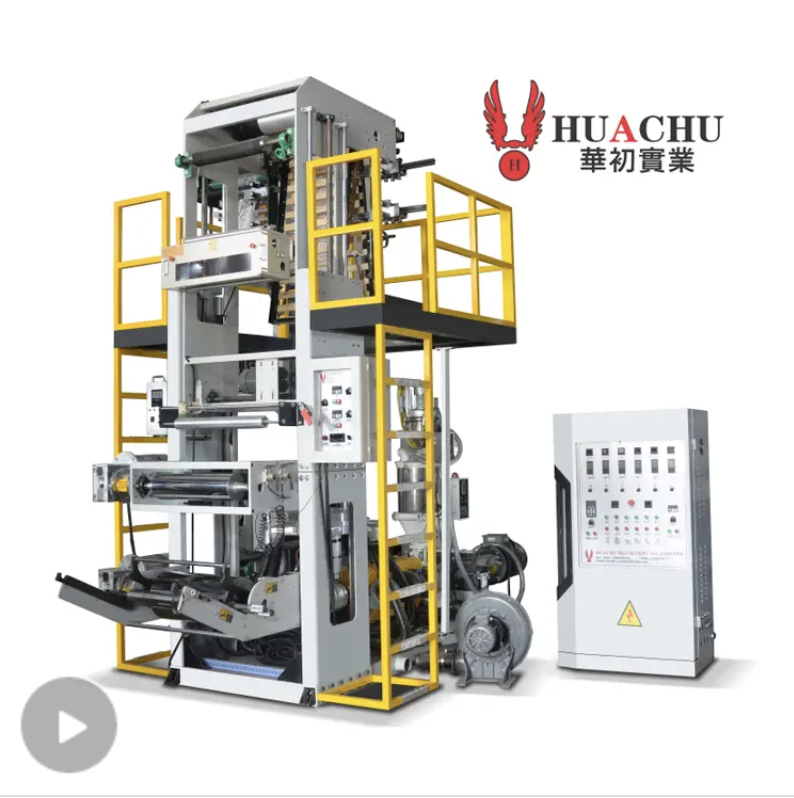
Wenzhou Huachu Machinery Co., Ltd. has developed cutting-edge Film Blowing Machines that address the problem of unstable film bubbles. Their machines feature advanced temperature and pressure controls, high-precision die heads, and automated operating systems, which work together to maintain a stable and consistent film bubble throughout the production process.
Advantages of Huachu’s Blown Film Machines
Huachu’s Film Blowing Machines offer several key advantages:
● Automated controls for precise regulation of critical parameters.
● High-quality die heads for uniform bubble formation.
● Optimized cooling systems for consistent film thickness.
Tip: Consider investing in Huachu Machinery for enhanced blown film production. Their advanced technology can significantly reduce instability and improve overall film quality.
Conclusion
In conclusion, stabilizing the film bubble in Film Blowing Machines is crucial for consistent film quality and production efficiency. We’ve covered several common causes of instability, including temperature and pressure fluctuations, die head issues, and raw material inconsistencies. Implementing solutions like optimizing temperature control, improving die head design, and using high-quality materials can help resolve these issues.
By investing in Film Blowing Machines from Wenzhou Huachu Machinery Co., Ltd., manufacturers can take advantage of advanced technologies that enhance bubble stability and improve production processes. Huachu’s machines offer precision controls, ensuring better consistency and superior film quality in every production run.
FAQ
Q: What causes unstable film bubbles in a Film Blowing Machine?
A: Unstable film bubbles in a Film Blowing Machine are typically caused by temperature fluctuations, inconsistent pressure, poor die head design, or low-quality raw materials. These factors affect the uniformity of the bubble and lead to thickness variations in the final film.
Q: How can I stabilize the film bubble in a Film Blowing Machine?
A: To stabilize the film bubble, ensure consistent temperature and pressure control, optimize the die head design, and use high-quality raw materials. Properly adjusting the operating parameters and regular maintenance can also help stabilize the bubble.
Q: Why is controlling temperature and pressure so important for the stability of the film bubble?
A: Temperature and pressure fluctuations can cause uneven inflation, leading to unstable film bubbles. By maintaining consistent control over these factors, you ensure uniformity in the film's thickness and strength, resulting in a higher-quality product.
Q: What role does the Film Blowing Machine play in bubble stability?
A: The Film Blowing Machine is responsible for controlling the inflation, cooling, and stretching of the film. Proper machine settings, such as air pressure and extrusion speed, are essential for maintaining bubble stability and producing high-quality films.
Q: How can Wenzhou Huachu Machinery Co., Ltd. help with unstable film bubbles?
A: Wenzhou Huachu Machinery Co., Ltd. offers Film Blowing Machines designed with advanced features that optimize temperature, pressure control, and die head design, helping manufacturers achieve stable film bubbles and improve overall film quality.


