Shrink film is a type of thermoplastic film that shrinks tightly around products when exposed to heat. It is used in a variety of applications across industries such as food packaging, retail packaging, industrial packaging, and more. This guide provides an in-depth overview of shrink film, helping manufacturers, packaging professionals, and business owners understand its types, applications, key characteristics, and how to select the best film for their specific needs. Whether you're packaging delicate products, heavy-duty items, or need tamper-resistant security, shrink film is an effective solution to consider.
What is Shrink Film?
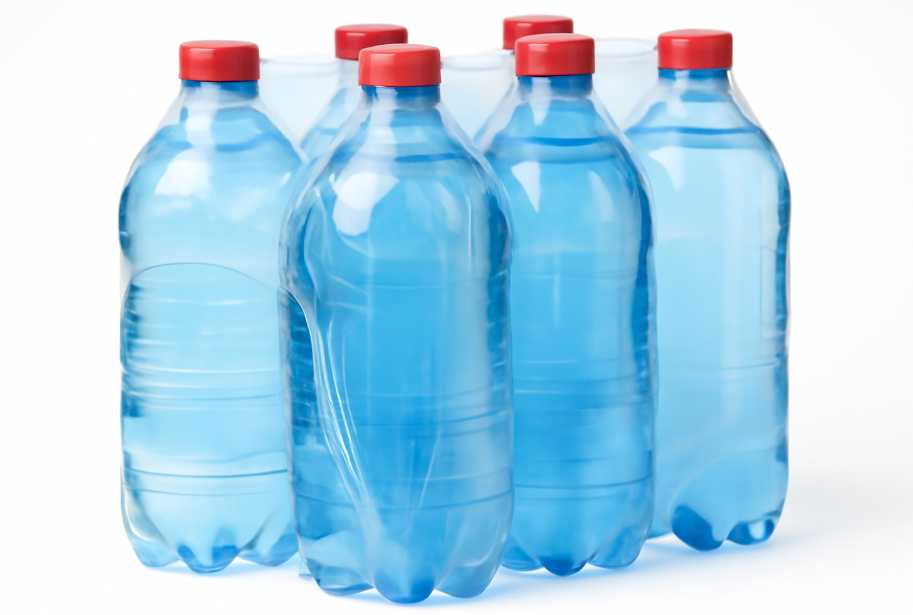
Shrink film is a highly versatile and widely used packaging material. This type of film is designed to shrink when heat is applied, tightly conforming to the shape of the object it encases. The process involves wrapping the film around the product and applying heat, which causes the film to contract, resulting in a snug, tamper-resistant, and protective cover. Shrink film provides several benefits, including enhanced product protection, better presentation, and longer shelf life for perishable items.
Shrink films are made from a variety of thermoplastic materials, which are heat-sensitive and capable of shrinking when exposed to high temperatures. The two primary applications of shrink film are for securing products during transportation and providing an attractive display for retail products. The shrinking action ensures that the packaging tightly hugs the product, preventing movement, offering protection against dust, dirt, and physical damage, and improving the overall visual appeal of the packaged product.
While shrink films are typically transparent, they can also be colored, and custom designs can be printed directly on the surface of the film. This allows businesses to personalize their packaging, adding branding elements and product information, which enhances product visibility on retail shelves.
Key Characteristics of Shrink Film
When selecting shrink film for packaging, it’s essential to understand the various characteristics that influence its performance. Below are the key features that play a critical role in determining which shrink film will work best for your product.
Shrink Force (Shrink Energy)
Shrink force refers to the amount of pressure exerted by the shrink film when it shrinks around the product. This characteristic is measured in pounds per square inch (PSI) and determines how tightly the film will conform to the product's surface. Different types of products require different levels of shrink force.
For instance, products that are lightweight and delicate, such as paper stacks or boxes made from chipboard, may require a shrink film with a low shrink force to prevent damage during the shrinking process. On the other hand, heavy-duty products, like industrial parts or wood, can withstand high shrink forces without risk of damage. Polyolefin (POF) films are known for having a higher shrink force, while polyvinyl chloride (PVC) films exert a lower shrink force.
By understanding shrink force, manufacturers can adjust their shrink wrap machinery to ensure the right level of tension is applied, providing secure packaging without damaging the product.
Shrink Orientation
Shrink films come in two main orientations:
Bi-Axially Oriented Films: These films shrink equally in both the machine direction (MD) and cross direction (CD). This type of film is ideal for high-volume applications where uniform shrinkage is required. The benefits of bi-axial orientation include consistent shrinkage and higher film strength.
Preferentially Oriented Films: These films shrink differently in each direction. The shrinkage occurs primarily in one direction, which reduces the amount of material used. The benefits of preferentially oriented films include more efficient film usage and a reduced risk of product distortion. They are particularly useful when packaging irregularly shaped items or products that don't require uniform shrinkage.
Understanding the difference between these two orientations helps manufacturers select the right film for their specific application, ensuring that the product is securely packaged without unnecessary waste.
Shrink Percentage
Shrink percentage refers to how much the film shrinks when heat is applied. For example, a shrink percentage of 40/40 indicates that the film shrinks by 40% in both the machine and cross directions. The shrink percentage can be adjusted by altering the film’s structure and formulation.
For bi-axially oriented films, the shrinkage percentage typically ranges from 30% to 60%, depending on the application. However, preferentially oriented films usually exhibit a lower shrink percentage, making them ideal for applications where less material is needed or where precise control of the shrinkage is important.
Resistance to Puncture and Tear
Puncture resistance is the ability of the film to resist damage from sharp objects. Films with high puncture resistance are suitable for products with sharp edges, such as industrial tools or hardware. Tear resistance measures how well the film holds together once it has been punctured, preventing it from tearing further.
Films with high puncture resistance tend to have lower tear resistance, and vice versa. When selecting shrink film, it's crucial to consider the specific needs of your product. For example, if you’re packaging products like electronics or toys that require puncture resistance, you may need a film with higher puncture resistance. If ease of access is more important, tear resistance might be prioritized.
Moisture Vapor Transmission Rate (MVTR)
MVTR measures how much moisture can pass through the film, which is a key factor in packaging food and perishable items. For products that need to be protected from moisture (such as fresh produce, meat, and dairy), a low MVTR film is essential to prevent degradation and ensure freshness. Films with low MVTR are also beneficial in preventing condensation inside the package, which could cause spoilage or loss of quality.
Modified atmosphere packaging (MAP) can be used in conjunction with shrink film to further enhance the protection of products by controlling the moisture level and extending shelf life.
Antifog Properties
Antifog films are specifically designed to reduce moisture buildup on the surface of the film. This is especially important for food packaging, where moisture accumulation can lead to a foggy appearance that diminishes the product’s visibility. For products like fresh produce or frozen foods, antifog films are essential as they ensure the product remains visible through the packaging without any condensation forming.
Antifog films are produced by adding certain additives to the film during the manufacturing process, allowing moisture to spread evenly across the surface, thereby preventing fogging. These films help improve product presentation and provide a better customer experience.
Odor Barrier
Odor barrier films are used to prevent unwanted odors from entering or escaping a package. This characteristic is crucial for packaging items such as food, chemicals, or pharmaceuticals, where odor control is necessary for maintaining product quality and consumer satisfaction.
By selecting films with good odor barrier properties, manufacturers can ensure that the product stays fresh and free from contamination during storage and transportation. This is particularly important for food packaging, where the presence of odors could affect the taste and overall appeal of the product.
Types of Shrink Film
Shrink films are available in various types, each suited for different applications. The most commonly used types are polyvinyl chloride (PVC), polyolefin (POF), and polyethylene (PE). Here’s a breakdown of each type and its uses:
Polyvinyl Chloride (PVC) Shrink Film
PVC shrink film was once the most widely used shrink film due to its affordability, lightweight nature, and ease of use. However, its use has declined in recent years due to environmental concerns. PVC is non-biodegradable and releases harmful toxins when heated. Despite these drawbacks, PVC is still used for certain applications, such as for packaging DVDs, CDs, and certain non-edible consumer products.
PVC films offer low shrink force and are prone to brittleness under extreme temperatures. They also tend to leave carbon deposits on the sealing equipment, requiring regular maintenance.
Polyolefin (POF) Shrink Film
Polyolefin shrink film has overtaken PVC in popularity due to its versatility, durability, and recyclability. POF is FDA-approved for food contact, making it a popular choice for food packaging. It provides excellent clarity, puncture resistance, and tear strength, ensuring that products remain well-protected and visually appealing.
POF is available in various formulations, including cross-linked films for high-strength applications. It can be used to package a wide range of products, from toys and games to food and consumer goods.
Polyethylene (PE) Shrink Film
Polyethylene shrink film is primarily used for heavy-duty applications, such as bundling industrial items, pallet wrapping, and packaging large products. PE films are available in several variations, including high-density polyethylene (HDPE), low-density polyethylene (LDPE), and linear low-density polyethylene (LLDPE). LDPE is the most common form of PE used for shrink film and offers high strength and durability.
PE shrink film is ideal for packaging large and irregularly shaped products. It is more breathable than other shrink films, making it suitable for wrapping perishable goods like fruits and vegetables.
Applications of Shrink Film
Shrink film has diverse applications across multiple industries, thanks to its ability to provide protection, tamper resistance, and an attractive appearance. Here are some of the primary uses of shrink film:
Food Packaging
Shrink film plays a crucial role in food packaging, helping to preserve freshness, extend shelf life, and prevent contamination. It is commonly used to package fresh meat, cheese, baked goods, and produce. The shrink film provides a tight seal that protects the product from external factors such as dust, moisture, and bacteria.
Agricultural Films
In agriculture, shrink film is used for greenhouse coverings, mulch films, and crop protection. Its UV resistance helps protect crops from harmful sunlight, while its strength ensures durability in harsh environmental conditions.
Industrial Packaging
Shrink film is widely used for industrial packaging, especially for bundling heavy-duty products. It is used to package everything from construction materials to automotive parts. Its strength and durability make it ideal for protecting products during shipping and storage.
Retail Packaging
Shrink film is often used in retail packaging for consumer goods. It enhances the product’s appearance by providing a clear and glossy finish that makes it more attractive to buyers. This type of packaging is commonly seen in multi-packs, electronics, and toys.
The Benefits of Shrink Film
Shrink film offers numerous benefits to businesses and manufacturers, including:
Protection
Shrink film provides excellent protection against physical damage, moisture, dust, and dirt. The tightly wrapped film ensures that the product remains intact during transportation and storage, reducing the risk of damage.
Enhanced Presentation
The high clarity and smooth surface of shrink film give products a professional appearance, making them more appealing to customers. It can also be printed with logos, product information, and branding elements to further enhance product visibility.
Cost-Effectiveness
Shrink film helps reduce packaging costs by eliminating the need for additional materials like corrugated boxes. It also takes up less storage space, which can reduce shipping and storage costs.
Sustainability
Many types of shrink film, such as POF and PE, are recyclable, which makes them an environmentally friendly packaging option. Additionally, advancements in using recycled materials in the middle layer of films help reduce environmental impact and production costs.
Conclusion
Shrink film is an essential packaging material for many industries, offering protection, durability, and improved presentation. Whether you're packaging food, industrial parts, or consumer goods, shrink film provides an effective and cost-efficient solution. By understanding its characteristics, types, and applications, manufacturers can choose the right shrink film for their products and benefit from enhanced performance, reduced costs, and a more appealing final product.
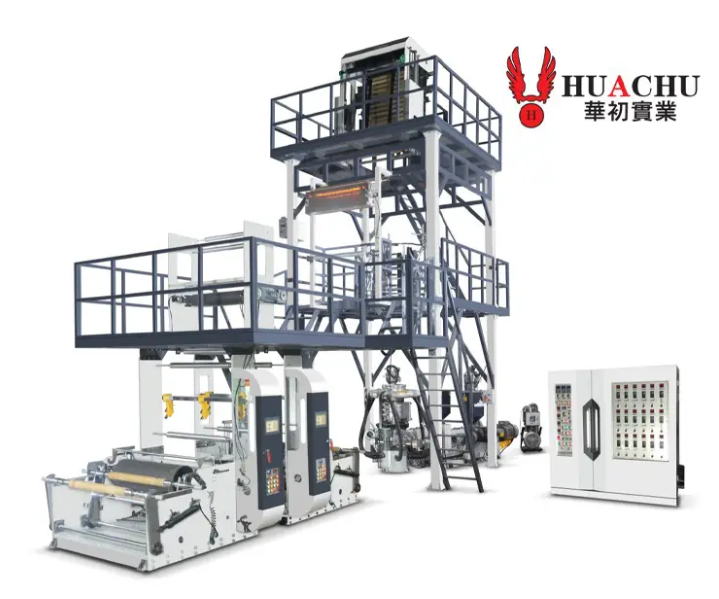
For optimal shrink film production, consider investing in advanced machinery such as the Three-Screw ABC Plastic Blown Film Machine, which offers customizable features and energy-efficient performance. This machine helps businesses produce high-quality shrink films that are tailored to their specific packaging needs.
FAQs
1. What is the High-Speed Three-layer ABC PE Film Blown Machine?
It’s a machine for producing high-quality multi-layer shrink films using HDPE and LDPE.
2. How does this machine affect shrink film production?
It improves output, optimizes material use, and ensures better film strength and quality.
3. What types of shrink films can it produce?
It produces films for food, industrial, agricultural, and retail packaging.
4. What are the benefits of using this machine?
Benefits include high output, energy efficiency, cost optimization, and improved film quality.
5. Can it handle biodegradable materials?
Yes, it can process biodegradable materials with some customization.
6. What are the key features of the shrink films?
They are durable, clear, customizable, and tamper-resistant for various applications.


