Definition and Basic Functionality
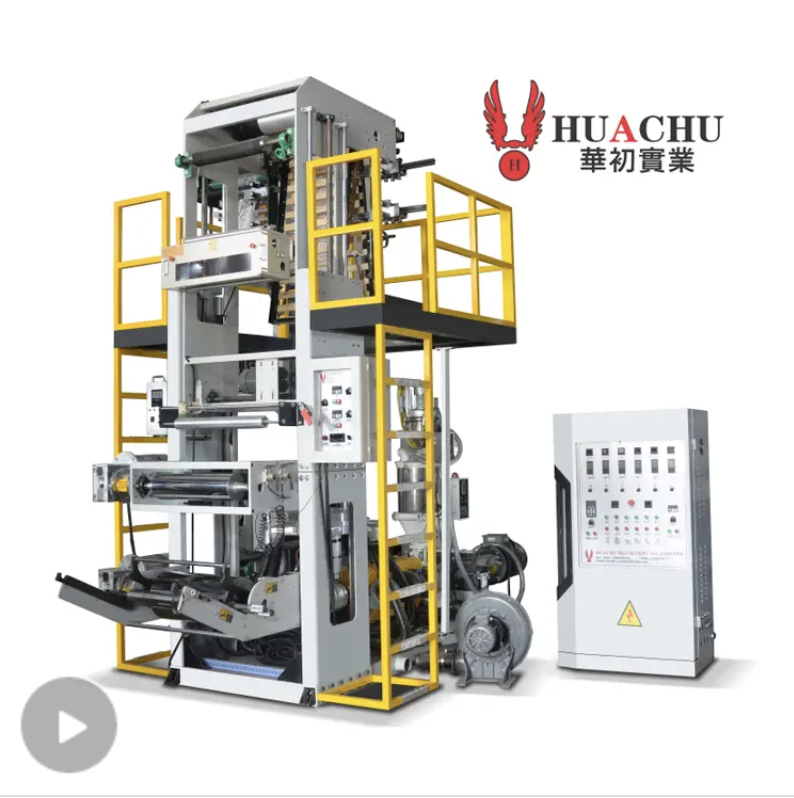
An ABA film blown machine is a specialized type of blown film extrusion equipment designed to produce three-layer films. The term "ABA" refers to the structure of the film, where two outer layers (A) sandwich a core layer (B). This configuration combines different polymer materials or grades to optimize the film's properties, such as strength, clarity, and barrier performance.
The basic functionality involves melting plastic resins and extruding them through a circular die to form a tube. This tube is then inflated (blown) into a bubble, cooled, collapsed, and wound into rolls. The three-layer design allows manufacturers to tailor the film for specific applications by adjusting the materials in each layer.
Components and Features
Key components of an ABA film blown machine include:
● Extruders: Usually two extruders feed different polymer resins for each layer.
● Coextrusion Die: Combines the three layers into a single film bubble.
● Cooling System: Controls the film's temperature to ensure proper solidification.
● Bubble Stabilizer: Maintains bubble shape and size for uniform film thickness.
● Take-up Unit: Collapses the bubble and winds the film into rolls.
Features often found in modern ABA machines:
● High-speed operation for increased output.
● Precise thickness control for consistent film quality.
● Automated tension and winding systems.
● Capability to process a range of polymers like polyethylene (PE), polypropylene (PP), and others.
Comparison with Other Blown Film Machines
Compared to single-layer or simpler two-layer blown film machines, ABA machines offer several advantages:
Aspect | Single-layer Film Machine | ABA Film Blown Machine |
Film Structure | One homogeneous layer | Three layers (A-B-A) |
Material Flexibility | Limited | High; can combine different polymers |
Film Properties | Basic strength and barrier | Enhanced mechanical and barrier properties |
Production Efficiency | Moderate | Higher due to advanced design |
Application Range | Limited to simple packaging | Suitable for complex packaging needs |
ABA machines provide better film performance by combining layers that offer strength, sealability, and barrier properties, which single-layer machines cannot achieve alone.
Tip: When selecting an ABA film blown machine, consider the compatibility of polymers in each layer to maximize film performance for your specific packaging needs.
Advantages of High-Speed Three-layer ABA Film Blown Machines
Increased Production Efficiency
High-speed three-layer ABA film blown machines significantly boost production rates. These machines operate faster than traditional single or two-layer machines, enabling manufacturers to meet high-volume demands without compromising quality. The three extruders work simultaneously, feeding different materials to form the ABA structure in one continuous process. This reduces downtime and streamlines production workflows.
Automation features such as precise thickness control and bubble stabilization further enhance efficiency. Operators spend less time adjusting settings, and the consistent output minimizes waste. In industries where speed and volume matter, this efficiency translates into faster turnaround times and higher profitability.
Enhanced Film Quality
The three-layer ABA configuration allows for superior film properties compared to single-layer films. By combining different polymers or grades in the outer layers (A) and the core (B), manufacturers can tailor films to specific needs. For example, outer layers might provide excellent sealability and surface finish, while the core layer offers strength and barrier protection.
High-speed ABA machines maintain uniform film thickness and consistent layer distribution, which results in enhanced mechanical properties and better optical clarity. This leads to films that are stronger, more durable, and better at protecting packaged goods. The ability to customize layers also helps manufacturers meet diverse packaging requirements, such as moisture resistance or oxygen barrier performance.
Cost-effectiveness in Production
Using a high-speed three-layer ABA film blown machine can reduce overall production costs. The coextrusion process combines multiple layers in one pass, eliminating the need for lamination or additional coating steps. This saves energy, raw materials, and labor costs.
Moreover, the improved film quality reduces product damage during transport, lowering returns and waste. The ability to use recycled or lower-cost materials in the core layer without sacrificing performance also contributes to cost savings. High-speed operation increases output per hour, maximizing machine utilization and spreading fixed costs over more product units.
Tip: To maximize efficiency and cost savings, regularly calibrate your ABA film blown machine’s thickness controls and maintain the cooling system for consistent film quality.
Applications of ABA Film Blown Machines
ABA film blown machines serve a wide range of industries thanks to their ability to produce high-quality, multi-layer films. Their versatility makes them ideal for packaging, industrial uses, and consumer goods production.
Packaging Solutions
One of the primary applications of ABA film blown machines is packaging. The three-layer structure allows manufacturers to create films that offer excellent protection, durability, and clarity. These films are perfect for food packaging, where barrier properties against moisture, oxygen, and contaminants are crucial. For example, ABA films can keep snacks fresh longer or protect frozen foods from freezer burn.
Beyond food, ABA films are widely used in pharmaceutical packaging to ensure product safety and extend shelf life. The ability to combine layers with different polymers means films can be customized for sealability, puncture resistance, or printability. This flexibility helps brands maintain product integrity and improve consumer appeal.
Industrial Applications
ABA film blown machines also cater to industrial needs. The films produced are used for protective covers, liners, and heavy-duty bags. Industries like agriculture use these films for mulch films or silage covers, benefiting from the enhanced strength and UV resistance that multi-layer films provide.
In manufacturing, ABA films serve as protective wraps for machinery parts or pallets during shipping. Their toughness reduces damage risk and improves load stability. Additionally, these films can be engineered for anti-static properties, making them suitable for electronics packaging.
Consumer Goods
In the consumer goods sector, ABA films are often found in shopping bags, trash liners, and household wrap products. Their enhanced mechanical properties mean these items are stronger and more reliable. The three-layer design allows for incorporating recycled materials in the core layer, supporting sustainability goals without compromising performance.
Moreover, ABA films can be made transparent or colored, catering to brand differentiation and consumer preferences. Their versatility makes them a staple in everyday products that require flexibility, durability, and cost-effectiveness.
Tip: When selecting ABA film blown machines for your production, consider the specific application requirements—such as barrier needs, strength, or clarity—to choose the right polymer combination and optimize film performance.
Technical Aspects of ABA Film Blown Machines
Technical Specifications
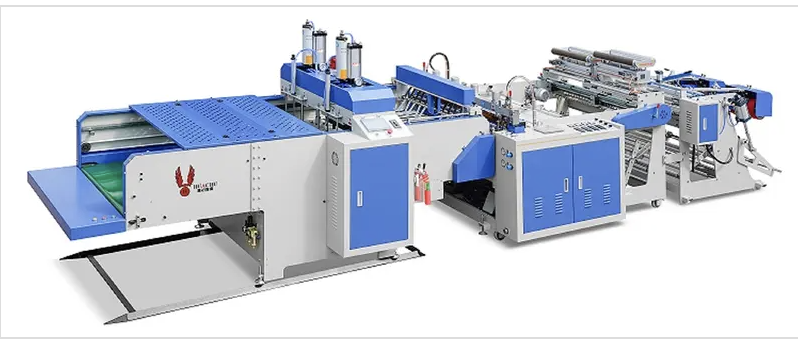
ABA film blown machines feature advanced technical specifications tailored for producing high-quality three-layer films. Typically, these machines include:
● Extruder Capacity: Each of the three extruders can handle varying screw diameters, commonly ranging from 45mm to 120mm, allowing processing of different resin volumes.
● Die Diameter: The coextrusion die usually spans between 100mm to 600mm, influencing the film width and bubble size.
● Film Thickness Range: Machines offer precise control to produce films from as thin as 10 microns up to 150 microns or more, depending on application needs.
● Output Speed: High-speed ABA machines can reach output rates of 300 to 600 kg per hour or beyond, enhancing production capacity.
● Cooling System: Equipped with adjustable air rings and cooling fans to maintain consistent film temperature and solidification.
● Control Systems: Modern units integrate PLC or touchscreen interfaces for automated parameter settings, thickness control, and fault diagnostics.
These specifications ensure the ABA machine can meet diverse production demands, from delicate food packaging films to robust industrial wraps.
Operation Mechanisms
The operation of an ABA film blown machine involves several coordinated steps:
1. Material Feeding: Different polymer resins are fed into the three extruders, each melting and preparing the material for extrusion.
2. Coextrusion: Molten polymers converge in the coextrusion die, forming the three-layer structure (A-B-A) as the film is extruded.
3. Bubble Formation: The extruded tube inflates into a bubble by air pressure, expanding to the desired diameter.
4. Cooling: The bubble passes through an air ring system, cooling the film rapidly to stabilize its shape and properties.
5. Bubble Stabilization: A bubble stabilizer or cage maintains uniform bubble size and prevents oscillations, ensuring consistent film thickness.
6. Collapsing and Winding: The bubble collapses into flat film, which is then wound onto rolls by the take-up unit, ready for further processing or shipment.
Automation plays a key role in synchronizing these steps, reducing operator intervention and enhancing consistency.
Maintenance Requirements
Proper maintenance of ABA film blown machines is critical for reliable operation and longevity. Key maintenance tasks include:
● Regular Cleaning: Extruders, die, and cooling systems must be cleaned frequently to avoid resin buildup and contamination.
● Lubrication: Bearings, gears, and moving parts require scheduled lubrication to prevent wear and tear.
● Inspection of Components: Periodic checks of screw condition, die alignment, and bubble stabilizer integrity help detect early signs of damage.
● Calibration: Thickness control systems and temperature sensors should be calibrated regularly to maintain film quality.
● Cooling System Maintenance: Air rings and fans need cleaning and inspection to ensure efficient cooling and avoid overheating.
● Spare Parts Management: Keeping critical spare parts like screws, heaters, and sensors in stock minimizes downtime during repairs.
Adhering to manufacturer-recommended maintenance schedules and using trained technicians ensures optimal machine performance and reduces costly breakdowns.
Tip: Establish a preventive maintenance plan including regular cleaning, lubrication, and calibration to keep your ABA film blown machine running efficiently and producing consistent film quality.
Comparing ABA Film Blown Machines to Other Film Technologies
Blown vs Cast Film
Blown and cast film technologies serve different needs in film production. Blown film, including ABA film blown machines, produces film by extruding molten plastic through a circular die and inflating it into a bubble. This process creates films with balanced mechanical properties and good toughness. Blown films typically have higher puncture resistance and better load retention, making them ideal for heavy-duty packaging.
Cast film, on the other hand, is produced by extruding molten plastic onto a chill roll, resulting in a flat film. Cast films offer superior clarity and smooth surface finish, making them excellent for applications requiring high transparency. However, they exhibit lower puncture resistance and less stretch recovery compared to blown films.
ABA film blown machines, as a subset of blown film technology, leverage multi-layer coextrusion to enhance film performance beyond standard blown films. This makes ABA films tougher and more versatile than typical cast films, especially where strength and barrier properties matter.
Single-layer vs Multi-layer Technologies
Single-layer film machines extrude one homogeneous layer, which limits the ability to customize film properties. Films from these machines often lack the balance of strength, flexibility, and barrier qualities needed for advanced packaging.
Multi-layer technologies, such as ABA film blown machines, combine different polymers into layers. This layering allows manufacturers to tailor each layer for specific functions:
● Outer layers (A) provide sealability, surface finish, or printability.
● Core layer (B) delivers strength, barrier protection, or cost efficiency.
This structure improves mechanical properties and barrier performance, reduces material costs by using recycled or lower-cost polymers in the core, and enhances overall film functionality. Multi-layer films also support sustainability goals by optimizing material use.
Market Trends and Innovations
The film production market is evolving rapidly, driven by demand for higher performance, sustainability, and cost-effectiveness. ABA film blown machines are at the forefront of these trends due to their ability to produce customized multi-layer films efficiently.
Key innovations include:
● High-speed extrusion: Boosts production capacity and reduces costs.
● Advanced control systems: Enable precise layer thickness, improving film consistency.
● Sustainable materials: Integration of recycled polymers and biodegradable resins.
● Smart films: Incorporation of functional additives like UV stabilizers, anti-static agents, and antimicrobial compounds.
These developments help manufacturers meet stricter environmental regulations and customer demands for quality packaging. ABA film blown machines remain competitive by adapting to these innovations, offering versatile solutions across packaging and industrial sectors.
Tip: When comparing film technologies, consider your product’s packaging needs—choose ABA film blown machines for strength and barrier performance, cast film for clarity, and multi-layer films for tailored properties and sustainability.
Choosing the Right ABA Film Blown Machine
Factors to Consider
Selecting the right ABA film blown machine depends on several critical factors. First, assess your production needs: consider the required film width, thickness range, and output speed. Machines vary in their capacity to handle different polymers and produce films with specific layer thicknesses. Compatibility with the polymers you plan to use is essential to achieve desired film properties.
Next, evaluate the machine’s automation and control features. Modern machines offer advanced PLC systems, touchscreen interfaces, and automated thickness control, which reduce operator errors and improve consistency. Consider the ease of operation and maintenance as well, since downtime can be costly.
Space and energy consumption also matter. Some machines have a smaller footprint or are designed for energy efficiency, which can save costs in the long run. Lastly, think about your future growth. Choosing a machine with scalability or upgrade options can protect your investment.
Cost vs Benefits Analysis
While ABA film blown machines typically require a higher initial investment than single-layer machines, their benefits often justify the cost. The ability to produce multi-layer films in one step reduces the need for extra processing like lamination, saving time and labor.
High-speed operation increases output, spreading fixed costs across more product and improving profitability. Enhanced film quality reduces product damage and waste, which lowers indirect costs.
However, consider ongoing expenses such as maintenance, energy consumption, and raw material costs. Machines capable of using recycled materials in the core layer can reduce material costs significantly.
Perform a detailed cost-benefit analysis comparing machine price, operating costs, and expected production efficiency gains. This will help you identify the best machine that meets your budget and production goals.
Supplier and Manufacturer Options
Choosing a reputable supplier or manufacturer is crucial. Look for companies with a proven track record in producing reliable ABA film blown machines. Check for strong after-sales support, including training, spare parts availability, and technical service.
Consider suppliers offering machines with customizable features tailored to your needs. Some manufacturers provide demo units or trial runs, which can help you evaluate machine performance before purchase.
Also, verify compliance with industry standards and certifications to ensure machine quality and safety.
Building a good relationship with your supplier can provide ongoing benefits, such as updates on technological advancements and maintenance support.
Tip: When selecting an ABA film blown machine, prioritize suppliers offering comprehensive after-sales service and customizable options to ensure long-term operational success.
Future Prospects of ABA Film Blown Machines
Technological Advancements
ABA film blown machines continue evolving rapidly. Innovations focus on boosting speed, precision, and automation. New control systems now offer real-time monitoring of film thickness and layer uniformity, reducing waste and improving quality. Integration of AI and machine learning helps optimize extrusion parameters automatically, adapting to material variations faster than before.
Emerging technologies also include enhanced coextrusion dies that improve layer bonding and reduce defects. Some machines now support quick-change dies, allowing faster product changeovers and less downtime. Additionally, energy-efficient motors and drives reduce power consumption, aligning with industry goals for sustainability.
Manufacturers are exploring hybrid systems combining blown and cast film features, aiming to merge the best properties of both. These advancements promise more versatile machines capable of handling a broader range of polymers, including bio-based and recycled materials.
Environmental Considerations
Sustainability is a growing priority in packaging. ABA film blown machines play a key role by enabling multi-layer films that use recycled or bio-based polymers in the core layer without sacrificing performance. This reduces reliance on virgin plastics and lowers environmental impact.
New machine designs also focus on minimizing material waste through precise thickness control and improved bubble stability. Energy-efficient components further reduce carbon footprints during production. Some manufacturers incorporate closed-loop water cooling systems to conserve water resources.
Moreover, the ability to produce films that are easier to recycle or biodegradable supports circular economy initiatives. Industry players increasingly demand machines compatible with sustainable materials, driving innovation toward greener solutions.
Industry Growth and Opportunities
The demand for advanced packaging solutions continues to rise globally, driven by e-commerce, food safety regulations, and consumer preferences for sustainable products. ABA film blown machines are well-positioned to meet these needs due to their flexibility and high-performance output.
Emerging markets present significant growth opportunities as manufacturers upgrade from single-layer to multi-layer film technologies. Industries such as pharmaceuticals, agriculture, and electronics increasingly require films with specialized barrier and mechanical properties.
Furthermore, customization trends push for machines capable of producing films with tailored functionalities, such as antimicrobial layers or UV protection. This drives demand for sophisticated ABA machines with modular designs and advanced control systems.
Collaborations between machine makers, resin suppliers, and packaging converters foster innovation, creating new applications and expanding market reach. Training and after-sales support also become critical as technology complexity grows.
Tip: Stay updated on emerging ABA machine technologies and prioritize models offering energy efficiency and compatibility with recycled materials to future-proof your production.
Conclusion
ABA film blown machines offer increased production efficiency, enhanced film quality, and cost-effectiveness. Their ability to produce multi-layer films in one step optimizes material use and reduces waste. These machines are ideal for industries needing advanced packaging solutions with tailored properties. Wenzhou Huachu Machinery Co., Ltd. provides innovative ABA film blown machines that meet diverse industry needs, offering superior performance and sustainability. Industry stakeholders should consider investing in these machines to stay competitive and meet evolving market demands.
FAQ
Q: What is a High-Speed Three-layer ABA Film Blown Machine?
A: A High-Speed Three-layer ABA Film Blown Machine is a specialized extrusion equipment designed to produce multi-layer films with enhanced properties like strength and barrier performance.
Q: How does a High-Speed Three-layer ABA Film Blown Machine improve production efficiency?
A: It boosts efficiency by operating faster than traditional machines, reducing downtime, and streamlining production with automation features.
Q: Why choose a High-Speed Three-layer ABA Film Blown Machine over single-layer machines?
A: It offers superior film quality and cost-effectiveness by combining different polymers for tailored film properties and eliminating extra processing steps.


