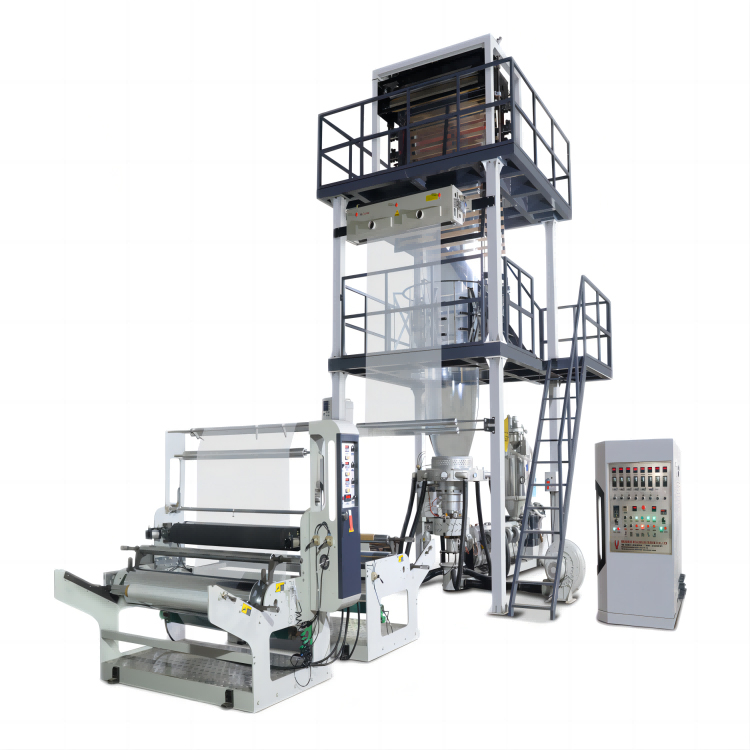
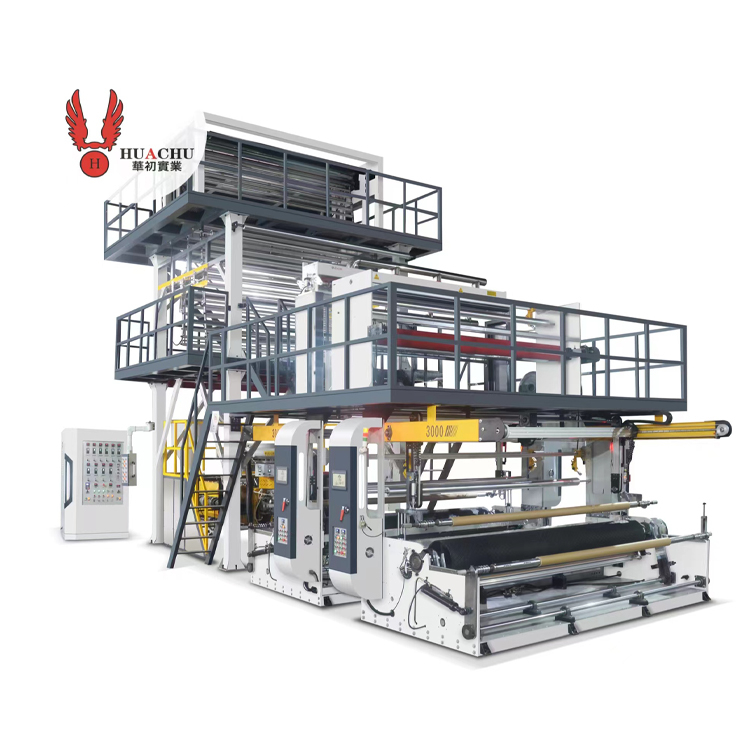
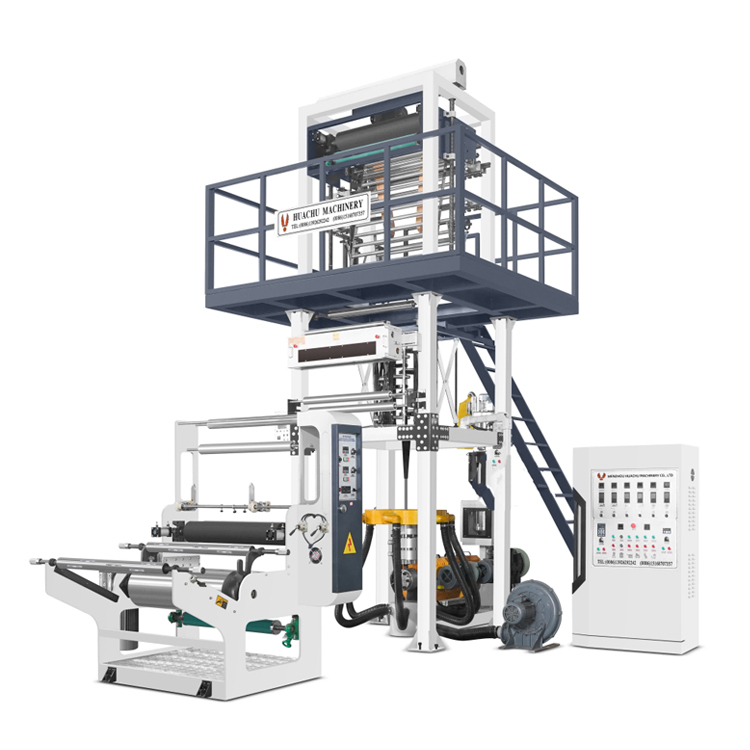
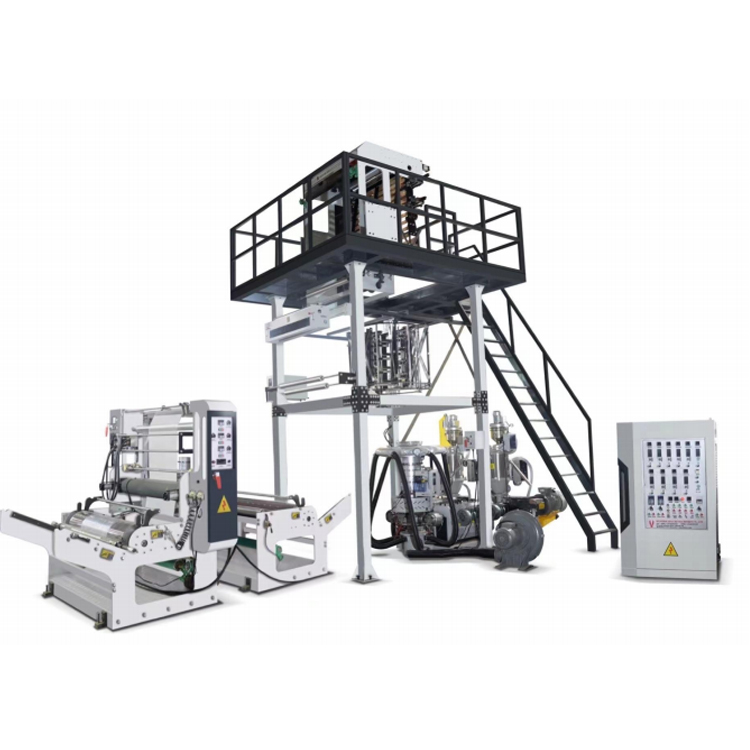
Blown film extrusion is a crucial process in the plastic film industry, used to produce a wide range of products, from food wraps to industrial liners. Understanding this process is essential for packaging buyers and manufacturers to ensure the best value and quality.
This article explains what blown film extrusion is, how it works, and its applications across various industries like food packaging and agriculture.
What Is Blown Film Extrusion?
Blown film extrusion is a process that transforms raw plastic resin into thin plastic films. It involves heating, melting, and shaping the material into a continuous tube, which is then inflated and cooled to form the final product.
Process Overview:
Heating and Melting the Resin: Plastic resin, typically in bead form, is heated in an extruder until it melts into a molten state.
Forming the Tube: The molten plastic is pushed through a circular die, shaping it into a tube.
Blowing Air into the Tube: Compressed air is injected into the center of the tube, inflating it into a bubble. The size of the bubble controls the thickness and width of the film.
Cooling and Flattening: The film is cooled with air as it rises, solidifying into a thin, flexible sheet. It is then flattened by nip rollers and wound into rolls for further processing.
How Blown Film Extrusion Works
Blown film extrusion combines heat, pressure, and air control. Here's a closer look at the process:
Extruder Process: Polymer resin is fed into the extruder, where it is heated as it moves through the screw, turning into molten plastic.
Air Inflation: The molten plastic is pushed through the die, and compressed air is injected into the center of the plastic tube, inflating it into a bubble. This controls the thickness and strength of the film.
Cooling: The plastic bubble is rapidly cooled using high-speed air, solidifying the film to maintain its shape and properties.
Nip Rollers: After cooling, nip rollers flatten the film, creating lay-flat tubing, which is then wound into rolls for packaging or further use.
This entire process is designed to be efficient, scalable, and customizable to meet the specific requirements of the packaging or manufacturing process.
Film Blowing Machine in Blown Film Extrusion
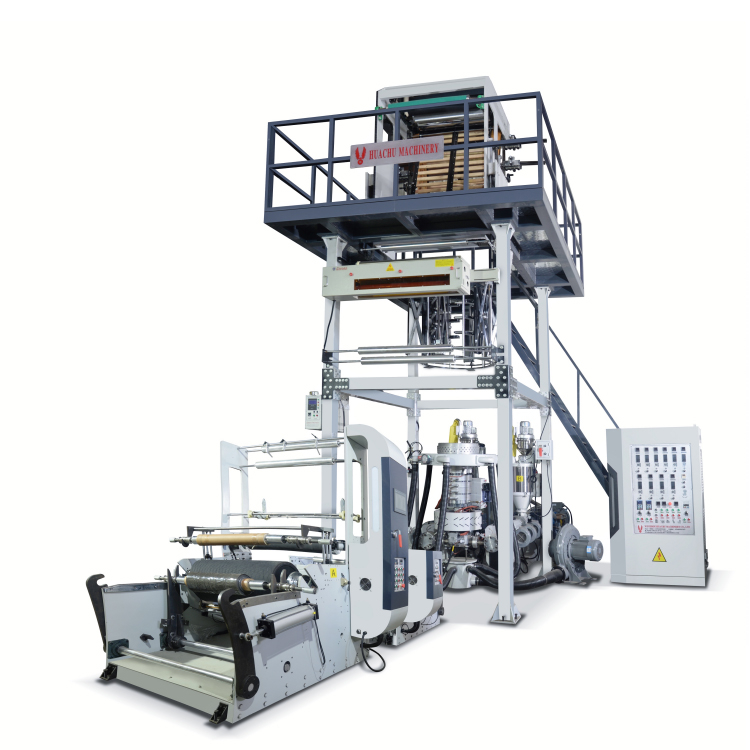
A Film Blowing Machine is the core equipment used in the blown film extrusion process. It combines the extruder, die, and air inflation system to form the plastic tube, which is then inflated into a bubble. The machine's design ensures that the film is created with the desired thickness, width, and strength, making it suitable for various applications, from food packaging to industrial uses.
Key components of a Film Blowing Machine include:
Extruder: Melts the polymer resin and feeds it into the die.
Die: Shapes the molten plastic into a tube, which is crucial for controlling film dimensions.
Air Ring: Injects compressed air into the tube to inflate it, which determines the final film's bubble size and thickness.
Cooling System: Rapidly cools the inflated tube to solidify the plastic film, maintaining its strength and flexibility.
Winding Unit: Collects the finished film into rolls for packaging or further processing.
The efficiency and customization of Film Blowing Machines are essential in producing high-quality films for a wide range of industries, making them a vital part of the blown film extrusion process.
Key Components of the Blown Film Extrusion Process
What Materials Are Used in Blown Film Extrusion?
Blown film extrusion relies on various materials, primarily resins and additives, to create films with the desired properties.
Resins:
LDPE (Low-Density Polyethylene): Soft, flexible, and clear. Ideal for packaging films requiring flexibility and low cost.
LLDPE (Linear Low-Density Polyethylene): Offers more strength and stretch compared to LDPE, making it suitable for heavy-duty packaging.
HDPE (High-Density Polyethylene): Stiffer, stronger, and more resistant to moisture. Commonly used in industrial applications.
Additives:
Slip Agents: Reduce friction, making the film easier to handle during processing.
Anti-Blocking Agents: Prevent films from sticking together, especially when wound in rolls.
Colorants: Provide specific color to the final product.
UV Stabilizers: Protect the film from damage caused by ultraviolet light, extending its lifespan.
Processing Aids: Improve the film’s flow properties during extrusion.
Selecting the right resin and additives is essential to achieve the desired performance characteristics for the film. Customization allows manufacturers to tailor films for specific needs, such as flexibility, strength, or barrier properties.
What Are the Main Types of Films Produced?
Blown film extrusion can produce a variety of films for different applications. The two primary types are monolayer and multilayer films.
Monolayer Films:
Multilayer Films:
In the co-extrusion process, resins like LDPE, LLDPE, and HDPE can be layered to enhance performance. For example, a multilayer film may feature a durable outer layer of HDPE, combined with an inner layer of LLDPE for flexibility.
Created through a co-extrusion process, where multiple layers of different resins are combined.
These films offer superior strength, better barrier properties, and can be customized to meet specific needs.
Advantages: Tailored properties such as resistance to oxygen, moisture, or light.
Applications for Each Type of Film:
Monolayer Films: Typically used for lighter applications, such as retail packaging, grocery bags, and shrink wraps.
Multilayer Films: Commonly used in food packaging, where barrier properties (such as moisture or air resistance) are essential. They are also used in industrial packaging, where strength and durability are key requirements.
Blown Film Extrusion Applications
What Are the Main Uses of Blown Film Extrusion?
Blown film extrusion is highly versatile, producing films for a wide range of industries. Here are some of its primary applications:
Packaging:
Food Packaging: Blown films are commonly used to wrap deli meats, frozen foods, and create grocery bags. They offer flexibility, strength, and can be customized for specific requirements, such as moisture resistance or transparency.
Agricultural Uses:
Industrial Applications:
Shrink Films: Used to tightly wrap products, often for shipping or retail packaging.
Industrial Covers and Liners: Protect products or machinery from the elements or contamination during storage and transport.
Consumer Products:
Mattress Bags: Protective covers for mattresses during transport and storage.
Pillow Compression Bags: Lightweight, flexible bags used to compress and store pillows, bedding, and other soft goods.
What Are Some Specific Industries That Benefit from Blown Film?
Various industries rely on blown film extrusion for packaging solutions tailored to their unique needs.
Food Industry:
Blown films provide high strength and barrier properties, protecting food items from moisture, oxygen, and contamination. These films can be customized for different sizes to meet diverse food packaging needs.
Agriculture:
Blown films are essential in agricultural packaging, used for bulk products like fertilizers, animal feed, and seeds. They offer both protection during transport and the strength to handle large, heavy items.
Industrial Manufacturing:
Blown films play a crucial role in industrial packaging, offering durability and flexibility for protection and shipping. They help move goods safely while preventing damage during handling and storage.
Key Specifications in Blown Film Extrusion
What Are the Key Specifications to Consider?
Several key specifications influence the performance of blown films in different applications. Here are the most important factors to consider:
Gauge (Thickness):
The thickness of the film impacts its strength, durability, and overall function. Thicker films are ideal for heavy-duty applications, while thinner films are used for lighter packaging needs like food wraps.
Width and Fold Types:
The film's width determines how it fits into packaging machines. Wider films are used for larger items, while folded films are often used in specialized processes, such as pillow compression bags.
Wind Direction:
Films can be wound in different directions: inside wound or outside wound. The direction of winding affects how the film is unwound during processing and how it feeds into packaging machines.
Core Size:
Core size refers to the diameter of the tube around which the film is wound. Common sizes are 3” and 6”, but they can vary depending on roll size. Choosing the right core size ensures smooth operation and proper storage.
How Does the Thickness (Gauge) of Blown Film Affect Performance?
The gauge or thickness of the film plays a significant role in its performance, particularly in terms of strength, durability, and cost.
Strength and Durability:
Thicker films are stronger and more resistant to punctures and tears, making them ideal for tough industrial uses. Thinner films, on the other hand, may be more flexible but are better suited for less demanding applications.
Cost:
Thinner films are generally less expensive, though they may not provide the same level of protection or barrier properties as thicker films.
Different Thicknesses for Various Applications:
Pallet Covers:
Heavier gauges (2-4 mil) are common for industrial applications where strong protection is required for pallets and large shipments.
Shrink Films:
Shrink films typically range from 1.5 to 3 mils in thickness, offering enough strength to shrink tightly around products without being too thick.
Food Packaging:
For food packaging, a gauge between 1 and 2 mils is often used, striking the right balance of strength and flexibility for wrapping products like deli meats and frozen foods.
Quality Control in Blown Film Extrusion
How Is Film Quality Controlled in Blown Film Extrusion?
Quality control is essential in the blown film extrusion process to ensure that films meet the required standards for various applications. Here are some critical tests:
Thickness Consistency (Gauge Bands):
Films need to maintain a consistent thickness throughout their length. Even slight variations can impact film strength and performance, particularly in packaging.
Dart Drop (Impact Resistance):
This test evaluates the film's ability to withstand impacts without tearing. It's crucial for films used in industrial applications, such as liners or shipping covers.
Coefficient of Friction (COF):
The COF measures the film's ease of movement through packaging machines. A lower COF improves machinability, increasing the speed and efficiency of production.
Clarity and Haze Levels:
Visual quality is important, especially for retail packaging. Films need to have clear, high-quality finishes, which are particularly significant for food packaging where appearance plays a key role.
Tensile Strength:
This test measures the film's resistance to stretching or breaking under force, which is essential for films that need to endure stress during handling, transport, and storage.
How Do Quality Checks Ensure Reliable Packaging Films?
Reliable quality checks are crucial for building trust between suppliers and customers. Consistent testing ensures that the films will perform as expected and meet the needs of their applications.
Statistical Process Control (SPC):
This method uses data to monitor and control the production process. By analyzing the data, manufacturers can spot variations early and keep the film within specified limits.
Traceability:
Each batch of film is traceable to its origin, ensuring transparency. In case of a problem, it’s easier to identify and address the issue quickly, helping maintain high standards for each roll produced.
Choosing the Right Blown Film Supplier
What Factors Should You Consider When Choosing a Blown Film Supplier?
Selecting the right blown film supplier is essential for ensuring quality and meeting production needs. Here are some factors to consider:
Extrusion Capacity:
A supplier’s production capabilities determine whether they can meet your lead time and volume requirements. Ensure they can handle the scale of your orders, whether large or small.
Certifications:
Certifications such as ISO and SQF (Safe Quality Food) are important, especially for food packaging. These certifications indicate that the supplier follows strict quality and safety standards.
Customization:
Your specific film needs—such as widths, colors, or additives like UV stabilizers or anti-blocking agents—may require a flexible supplier that can tailor films to your precise specifications.
Customer Support:
Reliable technical support is crucial. A good supplier should offer consultation on film specifications, troubleshooting assistance, and help you select the best film for your application.
What Questions Should You Ask a Blown Film Supplier?
To ensure a smooth partnership, ask potential suppliers these questions:
Do you offer regional warehousing or VMI (Vendor-Managed Inventory)?
This can reduce lead times and improve inventory management.
What is your turnaround time for high-volume orders?
It’s important to know how quickly they can meet large orders, especially with tight deadlines.
Can you incorporate recycled content (PCR/PIR) into films?
Sustainability is a growing priority. Ask if the supplier can use Post-Consumer Recycled (PCR) or Post-Industrial Recycled (PIR) materials in their films without compromising quality.
Common Challenges in Blown Film Extrusion
What Are the Common Issues Faced in the Blown Film Process?
While blown film extrusion is highly effective, there are several challenges manufacturers may encounter during production:
Film Defects:
Common defects include pinholes, where small holes appear in the film, inconsistent thickness (which affects strength and functionality), and wrinkles (caused by improper cooling or control during the process).
Material Incompatibilities:
In co-extrusion processes (combining different resin layers), materials may not blend well. This can lead to layer separation, resulting in weak spots or uneven properties in the final product.
Environmental Concerns:
Incorporating recycled materials (PCR/PIR) into blown films is becoming more important. However, maintaining film quality while meeting sustainability goals can be a challenge for many manufacturers.
How Can These Challenges Be Overcome?
Addressing these challenges requires a combination of technology, expertise, and best practices:
Solutions for Ensuring Uniformity:
To prevent defects like pinholes or inconsistent thickness, careful monitoring and real-time adjustments are crucial. Maintaining uniform extrusion temperature and air pressure can help ensure smooth, defect-free films.
Advances in Technology:
New technologies, such as advanced extrusion machines and improved die designs, provide better control over film properties, preventing defects. Regular maintenance and upgrades to equipment can also improve consistency.
Best Practices for Improving Film Quality:
Using quality resin blends and performing detailed testing throughout production ensures the final product meets standards. Statistical Process Control (SPC) and other testing methods can help catch defects early, reducing waste and improving efficiency.
Sustainability in Blown Film Extrusion
Can Blown Film Extrusion Be Sustainable?
Sustainability is becoming a key priority in the blown film extrusion process, with the industry increasingly adopting eco-friendly practices. Here’s how:
Use of Recycled Content:
Post-Consumer Recycled (PCR) and Post-Industrial Recycled (PIR) materials are being incorporated into films. This helps reduce reliance on virgin plastic, cutting down on waste and contributing to a more sustainable, circular economy.
Biodegradable Films and Eco-friendly Polymers:
Manufacturers are integrating biodegradable films and eco-friendly polymers, such as PLA (polylactic acid). These materials decompose more rapidly in landfills, offering an environmentally friendlier alternative to traditional plastics.
Sustainable Packaging Trends:
With growing consumer demand for sustainable packaging, the blown film extrusion process is evolving. Companies are focusing on creating films that not only meet functional packaging needs but also reduce environmental harm, contributing to broader sustainability efforts.
What Are the Environmental Benefits of Blown Film Extrusion?
Blown film extrusion is becoming more environmentally responsible. Some key benefits include:
Reduced Plastic Waste:
By using recycled materials (PCR and PIR), blown film extrusion helps divert plastic waste from landfills and reduces the need for new plastic production, making the entire cycle more sustainable.
Energy-efficient Practices:
Advances in machinery and optimized processes have made blown film extrusion more energy-efficient. New equipment designs and process improvements help lower energy consumption, ultimately reducing the carbon footprint of production.
Conclusion
Blown film extrusion plays a crucial role in manufacturing, producing versatile films used across various industries. Key takeaways include understanding the process, material choices, common applications, and quality control.
Looking ahead, innovations in sustainability and technology will continue to shape the future of blown film extrusion, making it more eco-friendly and efficient.
FAQs
Q: How is blown film extrusion different from cast film?
A: Blown film extrusion inflates molten plastic into a bubble, resulting in greater strength and durability. In contrast, cast film uses a flat die to produce a smoother, more uniform film.
Q: What are typical gauges used for industrial packaging?
A: Industrial packaging typically uses gauges ranging from 1.5 to 4 mils. Heavier gauges are often used for more demanding applications like pallet covers.
Q: How does multi-layer film affect strength and performance?
A: Multi-layer films combine different resins to enhance performance, providing better puncture resistance and strength without adding excessive thickness.
Q: Can blown film extrusion use recycled plastics?
A: Yes, PCR and PIR plastics can be used in blown film extrusion without compromising performance or machinability.
Q: How fast can a blown film line run?
A: High-output blown film lines can run at speeds exceeding 500 feet per minute, depending on the specific application.
Q: What causes film to appear cloudy or hazy?
A: Cloudiness in the film can result from the resin mixture or additives used. Adjusting the formulation can help optimize clarity or opacity depending on the application.
Q: How can I ensure that my blown film order meets the required specifications?
A: Clearly specify details such as gauge, width, resin type, and any custom requirements. A reliable supplier will conduct rigorous quality checks to ensure the final product meets your specifications.