Have you ever wondered how plastic films are made? Film blowing machines play a crucial role in creating the thin plastic films we use every day. These machines are key to the plastic and packaging industries, where efficiency and quality are essential.
In this post, we’ll explore what a film blowing machine is, how it works, and its importance in film production. You'll also learn about the different types and applications of these machines.
What is a Film Blowing Machine?
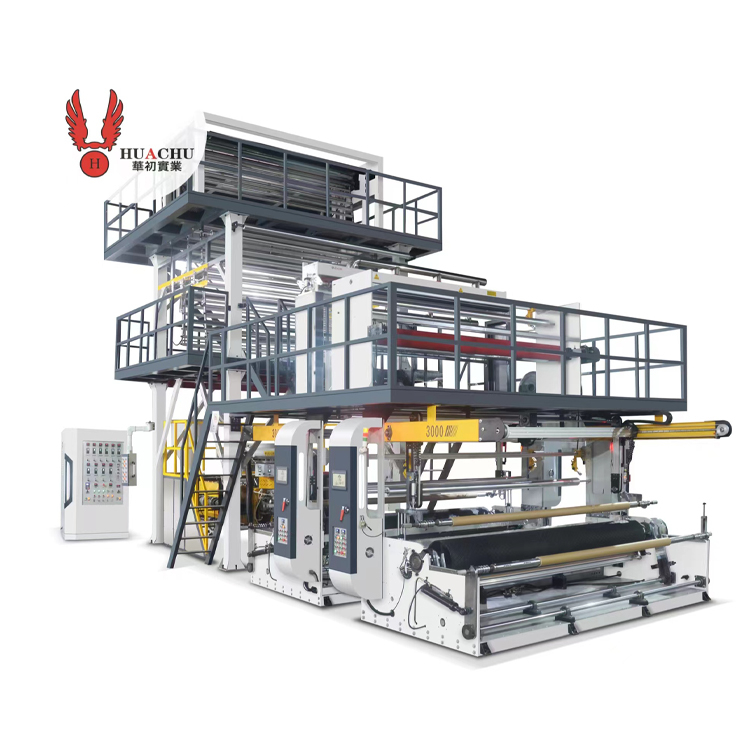
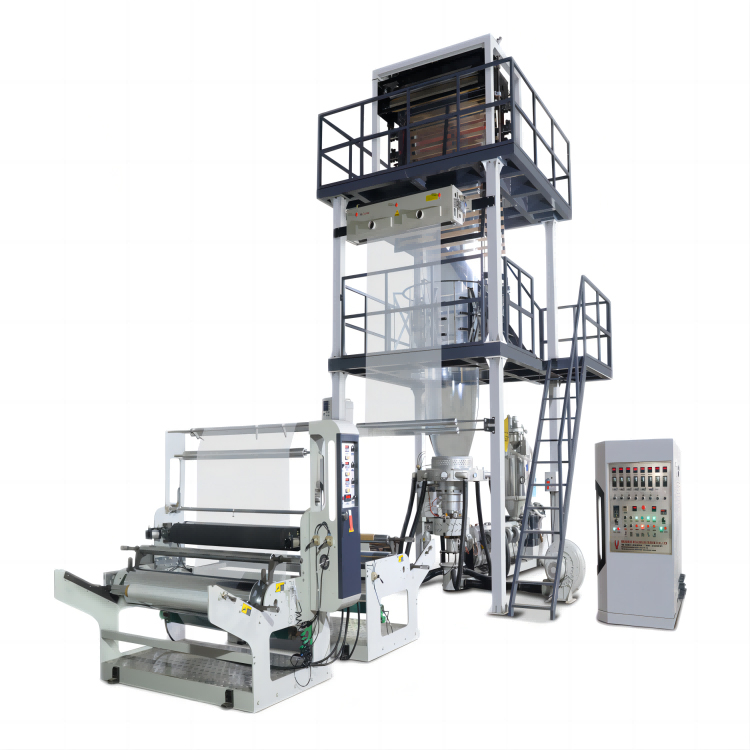
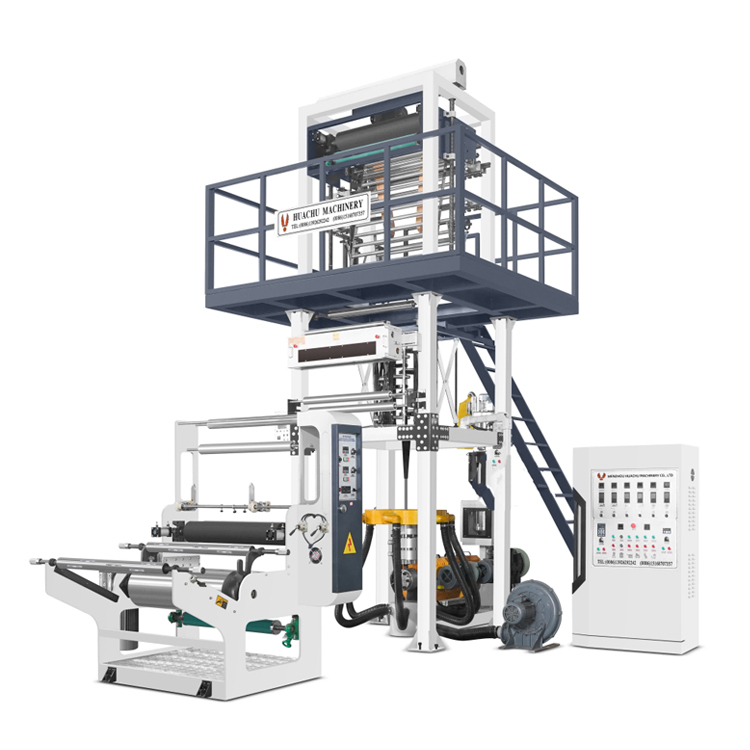
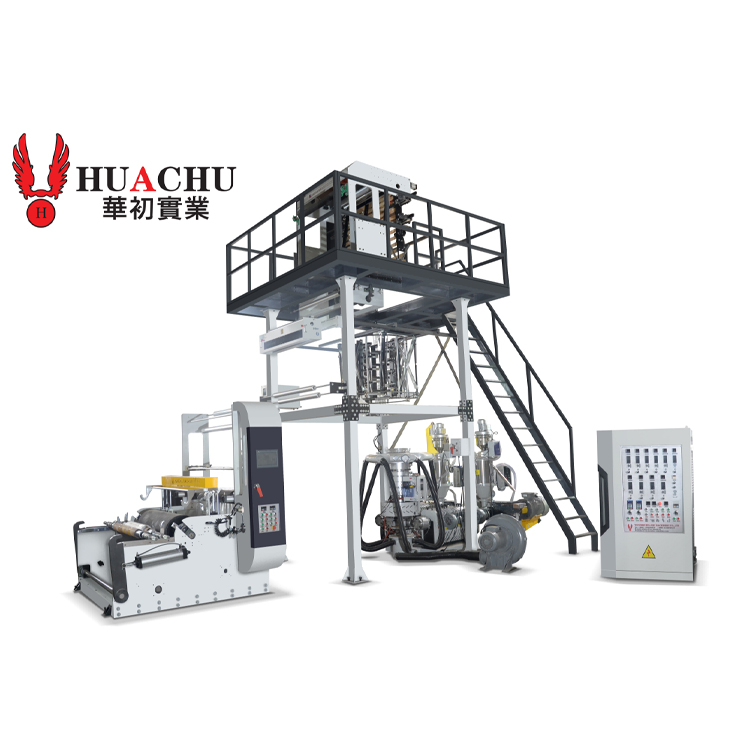
A film blowing machine is a specialized device used to make plastic films. It transforms raw plastic materials into continuous thin sheets, known as films, through an extrusion process. These machines are crucial in many industries, including packaging, agriculture, and construction.
How Does it Work?
The process begins by feeding plastic pellets into an extruder. Inside the extruder, the pellets are heated until they melt. The molten plastic is then pushed through a circular die, forming a tube. Air is blown into the center of the tube, causing it to expand like a balloon. This inflated tube is cooled and flattened, resulting in a thin, continuous film.
Key Materials Used
Film blowing machines work primarily with thermoplastics. The most common materials include:
Polyethylene (PE): Often used for food packaging and agricultural films.
Polypropylene (PP): Known for its strength and is used in packaging and industrial applications.
Other thermoplastics like LDPE (Low-Density Polyethylene) and HDPE (High-Density Polyethylene) are also used, depending on the required properties of the film.
How Does a Film Blowing Machine Work?
The Film Blowing Extrusion Process
The film blowing machine begins by melting plastic pellets. These pellets are fed into an extruder, which heats them until they become a thick, molten plastic. This liquid plastic is then forced through a circular die, forming a tube shape.
Next, air is blown into the center of the tube. This air pressure inflates the tube, causing it to expand and thin out. As the tube grows, it becomes a thin plastic film. To make sure the film holds its shape, cooling systems blow air onto the tube, solidifying the plastic into a stable, usable film.
Key Components of a Film Blowing Machine
Extruder: The extruder is responsible for heating and melting the plastic pellets. It pushes the molten plastic towards the die, creating the base of the film.
Die Head: This is where the molten plastic exits the extruder. The die head shapes the plastic into a tube, setting the foundation for the film.
Air Ring: The air ring is placed around the die. It blows air into the tube, helping it expand. It also cools the outer surface of the film to speed up the solidification process.
Nip Rolls: After the tube is inflated and cooled, nip rolls flatten it. These rolls control the thickness of the film and ensure it stays consistent.
Winding Unit: Once the film is flattened, it’s rolled onto a spool by the winding unit. This unit collects the finished film for storage or further use in packaging, agriculture, and more.
Types of Film Blowing Machines
Single-Layer Film Blowing Machines
Single-layer film blowing machines are the most basic type. They produce films made from one layer of plastic. These machines are used for simpler applications, such as packaging and general-purpose films.
Applications:
Food packaging
Consumer goods packaging
General industrial uses
Advantages:
Simplicity and cost-effectiveness
Ideal for standard, less demanding film types
Easier to operate and maintain
Limitations:
Limited performance in terms of strength and barrier properties
Less suitable for complex film applications
Multi-Layer Film Blowing Machines
Multi-layer film blowing machines are designed to produce films with more than one layer. These machines are perfect for more advanced applications where different materials need to be combined for enhanced properties.
Two-Layer Co-Extrusion
This process involves two different materials being extruded together to form a two-layer film. It's commonly used when there’s a need for improved strength or barrier properties.
Applications:
Packaging for products requiring moisture or oxygen barriers
Agricultural films
Three-Layer Co-Extrusion
Three-layer co-extrusion allows for the combination of three materials. It offers more flexibility in terms of properties like puncture resistance, strength, and barrier characteristics.
Benefits:
Better strength and flexibility
Enhanced resistance to punctures and tearing
Ideal for food and medical packaging
Applications of Film Blowing Machines
Film blowing machines are used in many industries due to their versatility. Here are some common applications:
Packaging Industry
Film blowing machines are widely used to create packaging materials. These films are essential in various sectors:
Food Packaging: They produce films that help keep food fresh and extend shelf life, such as for snacks, fresh produce, and frozen goods.
Consumer Goods: Packaging for products like electronics, toys, and clothing often uses films for protection.
Industrial Packaging: Film blowing machines create durable films for heavy-duty packaging, ensuring products are well-protected during transport.
Agriculture
In agriculture, blown films help protect crops and create optimal growing conditions:
Greenhouse Films: These films create a controlled environment, allowing plants to grow in optimal temperatures.
Mulch Films: Used to cover soil, mulch films help retain moisture, suppress weeds, and regulate temperature, supporting better crop yields.
Construction
Blown films also play an important role in construction:
Vapor Barriers: These films prevent moisture from damaging structures, making them crucial in building foundations and walls.
Other Applications: They are used for protective coverings and insulation in construction projects.
Medical
Film blowing machines are critical in the medical field:
Protective Packaging: They create sterile, protective packaging for medical supplies, ensuring products are safe and contamination-free.
Medical Films: Blown films are also used in medical devices and equipment, providing both safety and durability.
Advantages of Film Blowing Machines
Film blowing machines offer several key benefits, making them highly valuable in film production. Let’s explore some of the advantages.
High Efficiency and Productivity
Film blowing machines are designed to maximize production output. By using advanced technology, they can produce large quantities of film in a short time, increasing overall efficiency.
Maximized Output: Continuous production reduces downtime and speeds up manufacturing.
Reduced Waste: Modern machines minimize waste during production, making the process more environmentally friendly.
Energy Efficiency: The machines use energy-saving features, helping to lower operational costs.
Flexibility in Production
These machines offer great flexibility, allowing for a wide range of applications and materials.
Customization: You can adjust the thickness and width of the films to suit specific needs, such as food packaging or industrial uses.
Material Variety: Film blowing machines can work with various materials, including LDPE, LLDPE, and HDPE. This versatility makes them suitable for different industries.
Enhanced Film Quality
Film blowing machines are designed to produce high-quality films with improved mechanical properties.
Better Mechanical Properties: Films created by these machines have high tensile strength and puncture resistance, making them durable for many uses.
Precision Engineering: The advanced engineering of these machines ensures consistent film quality, with uniform thickness and clarity.
The Role of Technology in Modern Film Blowing Machines
Modern film blowing machines use advanced technology to enhance production efficiency, film quality, and sustainability. Let’s look at some key technological features.
Energy Efficiency
Today’s machines are designed to minimize power consumption. They achieve this through:
Frequency Control: Many machines now use frequency converters, allowing for precise control of motor speed. This reduces unnecessary energy use.
Electromagnetic Heating: Instead of traditional heating methods, electromagnetic heaters target the material directly, reducing energy waste and improving heating speed.
These technologies help reduce overall energy consumption, leading to lower operational costs.
Automation
Computer-controlled systems have become a key feature in modern film blowing machines. These systems manage crucial aspects of production, such as:
Film Thickness Control: Automated systems adjust the extrusion process to ensure the film has a consistent thickness across its width.
Tension Control: Automation also helps maintain the right tension in the film, improving its uniformity and preventing defects during production.
Automation not only improves the consistency of the film but also speeds up the manufacturing process.
Environmental Impact
Newer machines are designed with sustainability in mind. Key features include:
Recyclable Materials: Modern machines can process recycled plastics, reducing the need for virgin materials.
Energy-Saving Components: These machines incorporate components designed to conserve energy, such as more efficient motors and heating systems.
These advances help reduce the environmental footprint of film production, making the process more eco-friendly.
Choosing the Right Film Blowing Machine for Your Business
Selecting the right film blowing machine is crucial for maximizing production efficiency and film quality. Here are some key factors to consider.
Factors to Consider
Material Compatibility: Make sure the machine can handle the materials you plan to use, such as PE, PP, or LDPE. Each material has different requirements for temperature and extrusion.
Production Volume: Choose a machine that matches your business's output needs. If you’re producing at a large scale, look for machines with higher capacity and faster production speeds.
Energy Efficiency: Modern machines offer energy-saving features, which can help reduce operating costs. Look for machines that use advanced heating and motor control systems for better energy performance.
Importance of Selecting a Reputable Manufacturer
It’s essential to work with a reliable and experienced manufacturer. They can ensure that your machine is high-quality, durable, and equipped with the latest technologies. A reputable manufacturer will also offer better customer support and maintenance services, reducing downtime.
By considering these factors, you can find the best machine for your business needs, ensuring a smooth production process and long-term success.
Maintenance and Care for Film Blowing Machines
Proper maintenance is crucial to keep film blowing machines running efficiently. Here are some tips to ensure smooth operation.
Regular Checks
Regular checks help prevent issues and maintain high-quality output. Key things to monitor include:
Film Thickness and Uniformity: Regularly check that the film has consistent thickness. Inconsistent thickness can cause defects and affect production quality.
Extruder, Die Head, and Air Ring: Keep these components clean and well-lubricated. Check for any wear or blockages. Cleaning and maintaining these parts will help avoid disruptions in production.
Troubleshooting Common Issues
Even with regular maintenance, issues can still arise. Here’s how to deal with some common problems:
Inconsistent Film Quality: If you notice variations in film quality, check the extruder temperature, material feed rate, and die head condition. Adjusting these settings may solve the problem.
Production Slowdowns: Slowdowns can be caused by improper machine settings, material clogging, or mechanical wear. Regularly inspect all machine parts and adjust settings accordingly.
Long-Term Care
To ensure the longevity of your machine, consider the following tips:
Regular Cleaning: Clean the machine after each production cycle to prevent build-up that can affect performance.
Lubrication: Keep moving parts lubricated to reduce friction and wear.
Professional Inspections: Schedule regular inspections with a technician to check for any potential issues that could affect performance over time.
Future of Film Blowing Machines
The film blowing machine industry is evolving with new technologies and innovations. Let’s explore what the future holds.
Emerging Trends in Film Blowing Technology
Biodegradable Plastics: As environmental concerns grow, there is a push to develop biodegradable plastic films. These films can break down more quickly in the environment, reducing plastic waste.
Higher Production Speeds: Newer machines are being designed to operate at faster speeds, allowing manufacturers to produce more film in less time without sacrificing quality.
These advancements will make film blowing machines more efficient and eco-friendly.
The Impact of Future Innovations on Manufacturing and Sustainability
Future innovations will likely focus on improving both the efficiency of production and its environmental impact. By using renewable materials and reducing energy consumption, these innovations will help businesses meet sustainability goals while improving production rates.
Technologies like automated quality control and energy-saving components will also make production more reliable and cost-effective in the long run.
Conclusion
Film blowing machines are essential in producing versatile plastic films for various industries. They offer efficiency, flexibility, and high-quality output. When choosing the right machine, consider factors like material compatibility, production volume, and energy efficiency.
For tailored advice and the best options, contact experts or manufacturers to help you make an informed decision.
FAQ
1. What is a film blowing machine?
A film blowing machine is used to produce thin plastic films by melting plastic pellets and blowing them into a tube, which is then flattened and rolled into film.
2. What materials can be used in a film blowing machine?
Common materials include PE (Polyethylene), PP (Polypropylene), LDPE (Low-Density Polyethylene), and HDPE (High-Density Polyethylene). Each material offers different properties for film production.
3. How does a film blowing machine work?
The machine melts plastic pellets, forms a tube, inflates it with air, and cools it. The film is then flattened and wound into rolls for various applications.
4. What are the applications of film blowing machines?
Film blowing machines are used in the packaging industry, agriculture (e.g., greenhouse films), construction (e.g., vapor barriers), and medical sectors (e.g., protective packaging).
5. How do I choose the right film blowing machine for my business?
Consider factors like material compatibility, production volume, energy efficiency, and choose a reputable manufacturer to ensure quality and reliability.