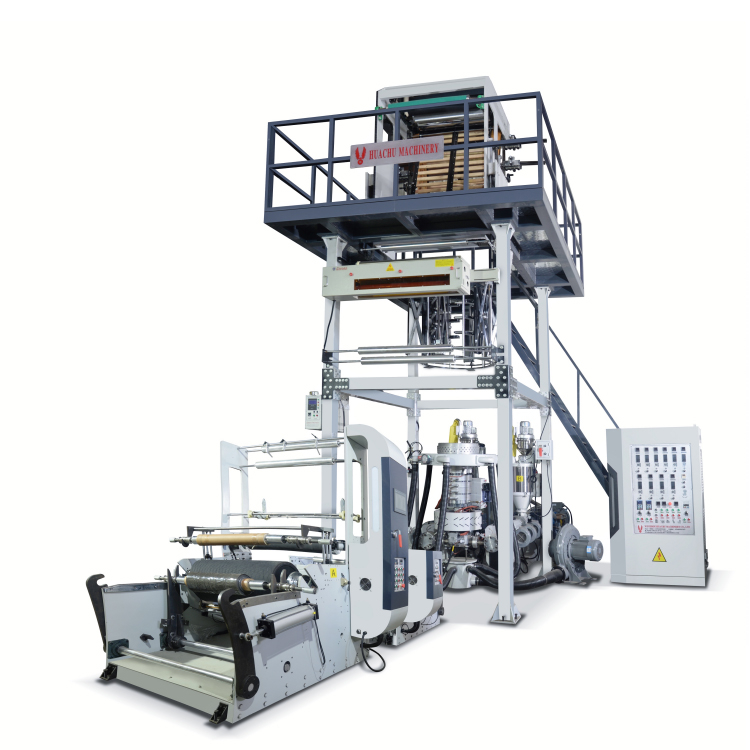
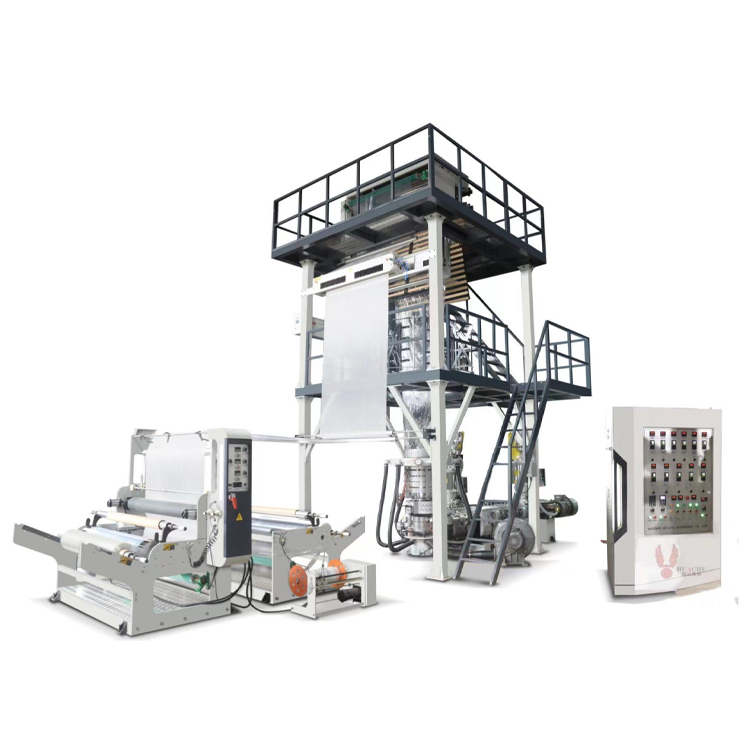
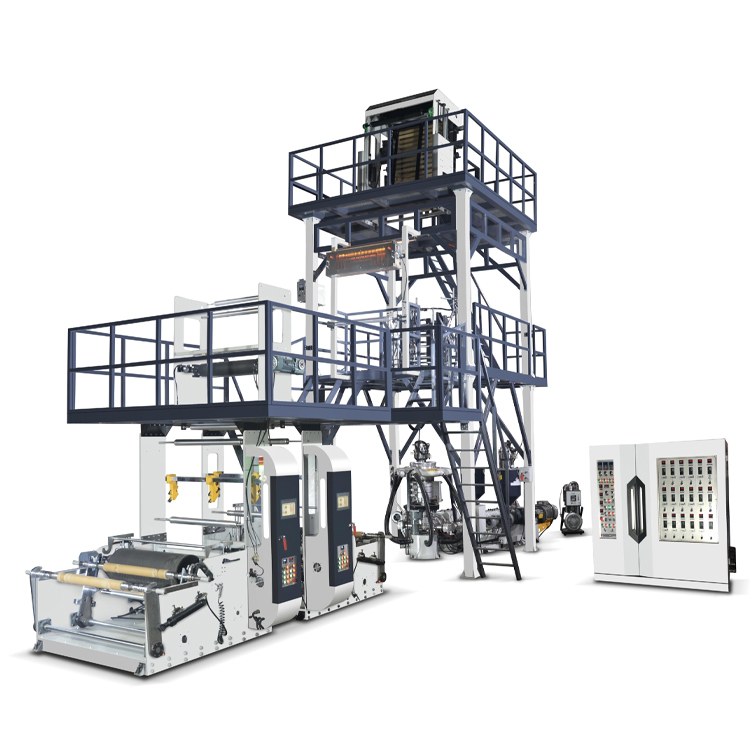
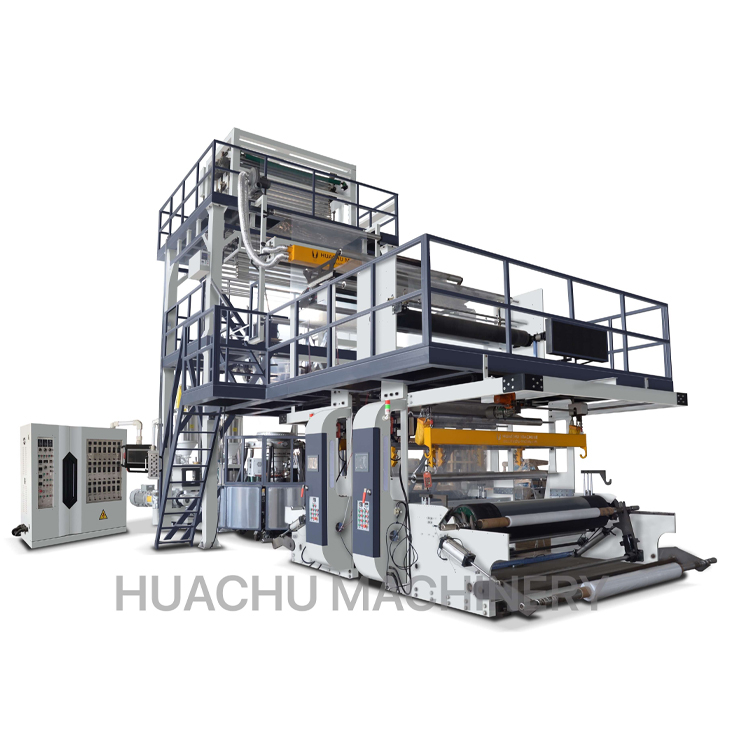
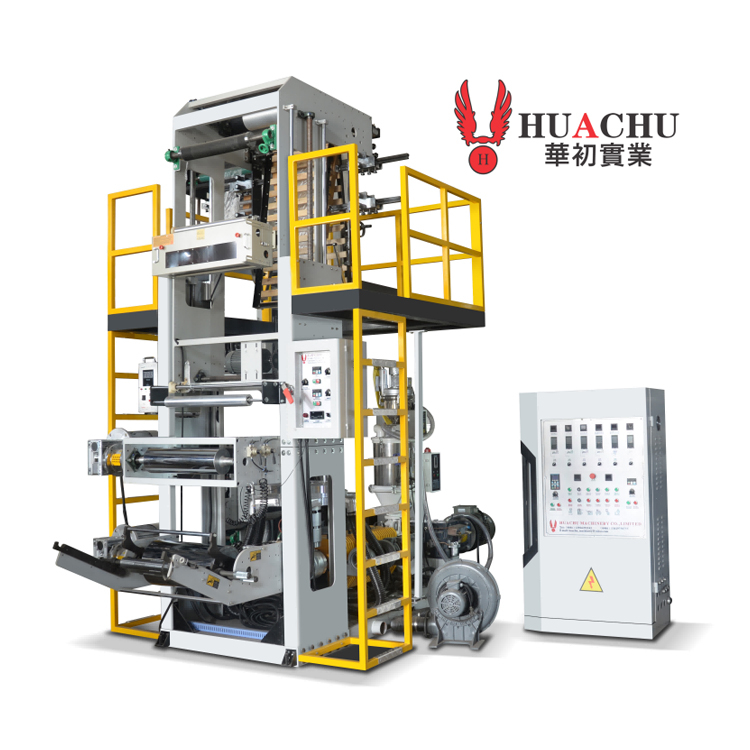
What exactly is the purpose of a film blowing machine? This essential equipment plays a crucial role in the production of plastic films. It’s used across multiple industries, from packaging to agriculture and healthcare.
In this post, we’ll explore how these machines work and why they’re so important in modern manufacturing. You’ll learn about their key functions, common applications, and the benefits they offer businesses.
Understanding the Basics of a Film Blowing Machine
Definition of a Film Blowing Machine
A film blowing machine is used to create plastic films from raw materials such as HDPE, LDPE, and PP. These materials are melted and shaped into flexible, thin films for a variety of applications.
Core Function of a Film Blowing Machine
The core function of a film blowing machine is to transform plastic pellets into thin, flexible films. It does this by heating the plastic, extruding it through a die, and inflating it to create a bubble, which is then cooled and wound into rolls.
The Film Blowing Process
The film blowing process involves several key steps:
Extrusion: Plastic pellets are heated and melted to form a continuous stream.
Inflation: Compressed air inflates the molten plastic into a tube or bubble.
Cooling: The film is cooled and solidified as it is stretched to the desired thickness.
Winding: The finished film is wound into rolls for storage or further processing.
This process allows manufacturers to produce films in different thicknesses, strengths, and sizes depending on the specific needs of various industries.
Key Components of a Film Blowing Machine
Motor and Gearbox
The motor is essential for driving the film blowing machine’s entire system. It provides the power needed for various functions, including extruding the plastic. The gearbox, connected to the motor, transfers the torque needed to rotate the screw. This ensures the material is fed properly into the system.
Screw and Mold
The screw is responsible for melting and pushing the plastic pellets through the machine. As the screw rotates, it heats the plastic, turning it into a molten state. This molten material is then forced through a mold, where it is shaped into a tube.
Die Head
The die head is where the extrusion process takes place. After the material passes through the mold, it enters the die head, which shapes it into a thin, continuous film. The die head is crucial for controlling the thickness and consistency of the film.
Rewinding System
Once the film is cooled and stretched, it’s ready to be wound into rolls. The rewinding system collects the finished film, ensuring it's wound evenly and securely for further processing or use. The film’s tension and alignment are controlled here to prevent defects.
Power Distribution Cabinet
The power distribution cabinet manages the electrical inputs for the machine. It controls the power supply, ensuring that all components, such as the motor and temperature controls, operate smoothly. This system helps maintain the machine's efficiency and prevents electrical issues.
How Does a Film Blowing Machine Work?
Step 1: Melting and Extruding the Plastic
First, plastic pellets, like HDPE or LDPE, are fed into the machine. These pellets are then heated until they melt. Once melted, the material is pushed through a screw, which forms a continuous tube of molten plastic. This is the beginning of the film creation process.
Step 2: Inflating the Plastic into a Bubble
Once the molten plastic tube is formed, compressed air is blown into it through the die head. This inflates the tube, creating a bubble-like shape. The air helps control the size and thickness of the film as it expands.
Step 3: Cooling and Stretching the Film
As the plastic bubble rises, it moves through a cooling system. The cooling solidifies the plastic film, making it firm and stable. At the same time, the film is stretched to the desired thickness by pulling it at a controlled speed.
Step 4: Winding the Film
Once cooled and stretched, the film is ready for winding. The film is drawn onto rolls by a rewinding system. This process ensures the film is wound evenly and securely, ready for packaging or further use in different industries.
Key Applications and Purposes of a Film Blowing Machine
Packaging Applications
Food Packaging
Film blowing machines create high-quality, moisture-resistant films ideal for food storage. These films are often used for vacuum packing or wrapping, keeping food fresh for longer periods.
Industrial Packaging
Film blowing machines also produce durable films for industrial packaging. These films are used for wrapping products, creating bags, and packaging items for transportation and storage in various industries.
Agricultural Applications
Greenhouse Films
Greenhouse films are designed to protect crops from environmental factors. These films, made using film blowing machines, are UV-resistant and durable, helping to extend the growing season for many plants.
Mulch Films
Mulch films are another agricultural product. They help retain moisture in the soil and prevent weed growth. These films improve soil conditions and increase crop yields, making them essential in farming.
Medical and Healthcare Applications
Sterile Films
In the medical field, film blowing machines produce sterile films used for packaging medical devices, sterile wraps, and protective covers. These films are crucial for maintaining the hygiene and safety of medical supplies.
Medical Supply Packaging
Film blowing machines create films for medical packaging that ensure the safety and sterility of products. These films are designed to be puncture-resistant and are used to package various medical supplies, including syringes and surgical tools.
Industrial Applications
Heavy-Duty Films
For industrial purposes, film blowing machines create heavy-duty films used to package and protect large, heavy items. These films are designed to withstand rough handling during transportation and storage.
Waterproof and Insulation Films
Film blowing machines also produce films for construction and manufacturing. These waterproof and insulation films are crucial for protecting materials from moisture and extreme temperatures.
Different Types of Film Blowing Machines and Their Applications
Single-Layer Film Blowing Machines
Single-layer film blowing machines are ideal for producing general-purpose films. These machines create basic packaging materials like plastic bags and wrap. They are cost-effective and commonly used for simple packaging needs.
Multi-Layer Co-Extrusion Film Blowing Machines
High-Performance Films
Multi-layer co-extrusion machines are designed to produce high-performance films. These films have multiple layers, providing enhanced properties, such as better barrier protection. They are commonly used in food packaging and other high-barrier applications where protection from moisture, oxygen, or light is required.
Customizable Layers
One of the key features of multi-layer machines is their ability to customize layers. This flexibility allows manufacturers to combine different materials, achieving specific qualities like strength, flexibility, or protection, depending on the product's needs.
Agricultural Film Blowing Machines
Specialized Films
Agricultural film blowing machines are designed for farming applications. These machines produce films for greenhouse covers, field covers, and other agricultural uses. They are tailored to meet the specific needs of crop protection and soil enhancement.
UV Protection and Durability in Agricultural Films
These machines focus on creating UV-resistant and durable films. These films protect crops from harmful sunlight and environmental damage, helping to increase yields and improve overall crop health.
Medical and Specialty Film Blowing Machines
Producing Films for Medical Packaging with Sterility and Safety
Medical film blowing machines produce films used in sterile medical packaging. These films must meet strict standards for safety, sterility, and durability. They are used to package medical devices, surgical instruments, and other healthcare products.
Troubleshooting Common Issues in Film Blowing Machines
No Material Discharge
Worn Barrel Screws: Causes and How to Replace Them
If the barrel screws are worn, they can't efficiently push material through the machine. This can lead to no material discharge. To fix this, inspect the screws for signs of wear and replace them if needed. Regular maintenance can prevent this issue.
High Feed Port Temperatures: How It Affects Material Flow and How to Fix It
Excessive heat at the feed port can cause the material to start melting too early, leading to blockages. This can prevent smooth material flow. To fix this, reduce the temperature at the feed port and ensure it's within the recommended range for optimal material handling.
Low Die Head Temperature
Issues with Material Hardening and Blockage
If the die head temperature is too low, the molten plastic may solidify before it reaches the die, causing blockages. This results in uneven extrusion and poor film quality. To solve this, ensure the die head temperature is set correctly for smooth material flow.
Solutions for Maintaining Proper Die Head Temperature
Maintaining the proper die head temperature is crucial to prevent material hardening. Use temperature controls and regular monitoring to keep it within the ideal range. Proper heating elements and insulation can also help stabilize the
Why Invest in a Film Blowing Machine? Key Benefits for Your Business
Increased Efficiency and Speed
A film blowing machine significantly boosts production speed. By automating the process, it reduces the need for manual labor. This leads to faster production cycles and more consistent output, allowing businesses to meet high demand efficiently.
Cost-Effective Production
Using a film blowing machine helps reduce material waste and energy consumption. With better control over the extrusion process, businesses can minimize raw material costs. The machine’s optimized operation reduces operational expenses, making production more cost-effective in the long run.
Flexibility in Film Production
Film blowing machines offer great flexibility. You can easily adjust the thickness, size, and material combinations for different applications. This allows manufacturers to cater to various industries, including packaging, agriculture, and medical sectors, offering customized solutions for specific needs.
How to Select the Best Film Blowing Machine for Your Business
Key Considerations When Choosing a Film Blowing Machine
When selecting a film blowing machine, consider factors like production capacity, material compatibility, and machine efficiency. Choose a machine that can handle the volume your business requires and is compatible with the types of materials you plan to use. Efficiency is key to minimizing waste and maximizing productivity.
Understanding Your Application Requirements
Different machines are suited for different tasks. If you need basic packaging, a single-layer machine may suffice. For more complex needs, like high-performance food packaging, a multi-layer machine is necessary. Specialty machines are ideal for specific tasks, such as agricultural films or medical packaging, offering custom features.
Comparing Costs vs. Long-Term Benefits
While the initial cost of a film blowing machine can be high, consider its long-term benefits. Evaluate how much it can save on labor, material waste, and energy consumption over time. A more expensive machine may provide higher efficiency and longer-lasting results, leading to greater savings and potential revenue growth.
The Future of Film Blowing Machines: Innovations and Trends to Watch
Eco-Friendly Film Production
The demand for eco-friendly films is growing. Film blowing machines are now being designed to handle biodegradable and recyclable materials. These sustainable options are helping reduce environmental impact, allowing manufacturers to produce films that are both functional and environmentally responsible.
Smart Automation and Control Systems
Automation is making its way into film blowing machines. New systems are integrating smart controls, which improve production efficiency. These systems monitor the entire process, adjusting parameters in real-time to reduce errors and improve consistency. Automation also minimizes the need for manual intervention, making production faster and more reliable.
Energy-Efficient Machines
As energy costs rise, newer film blowing machines are focusing on energy efficiency. These machines incorporate advanced technologies to reduce power consumption during production. Features like variable-speed drives, optimized heating systems, and better insulation help make these machines more cost-effective in the long run, while also benefiting the environment.
Conclusion
Film blowing machines are vital in various industries, offering diverse applications like packaging, agriculture, and medical uses. They provide benefits such as increased efficiency, cost savings, and flexibility in production.
Investing in this technology can streamline operations and improve long-term profitability. Businesses should explore different options to find the best fit for their production needs.
FAQs
1. What is a film blowing machine used for?
A film blowing machine is used to produce plastic films from materials like HDPE, LDPE, and PP. These films are widely used in packaging, agriculture, and other industries.
2. What types of films can a film blowing machine produce?
Film blowing machines can produce single-layer and multi-layer films, including high-performance films, agricultural films, and medical packaging films.
3. How does a film blowing machine work?
It works by heating plastic pellets, extruding them into a tube, inflating the tube into a bubble, cooling it, and then winding it into rolls.
4. What are the benefits of using a film blowing machine?
Key benefits include increased production speed, reduced labor costs, lower material waste, and the ability to customize film thickness and material types.
5. How can I choose the right film blowing machine for my business?
Consider factors like production capacity, material compatibility, and your specific application needs. Compare costs with potential long-term