Multilayer films are revolutionizing the packaging industry. But what makes them so important? These advanced films combine multiple layers of materials to enhance performance, offering benefits traditional packaging cannot match.
In this post, we’ll explore the uses of multilayer films, their manufacturing process, and how they’re applied across various industries. You'll learn why they are vital for packaging today and what makes them indispensable in modern solutions.
Understanding Multilayer Films: A Comprehensive Overview
Multilayer films are made by combining multiple layers of different materials to form a single film. These films are designed to offer specific properties by blending various polymers. This construction allows for better performance than traditional single-layer films, which are limited to a single material.
What Makes Multilayer Films Different from Single-Layer Films?
Single-layer films are made from one type of material, which can limit their functionality. Multilayer films, on the other hand, use several layers, each designed to serve a unique purpose. For example, one layer may provide strength, while another offers moisture resistance. By combining different materials, multilayer films can enhance qualities like flexibility, durability, and barrier protection.
Key Materials Used in Multilayer Films
Several materials are commonly used in multilayer films, including:
Polyethylene (PE) and Polypropylene (PP): These are the most common polymers, providing flexibility and strength.
FEP (Fluorinated Ethylene Propylene) and PTFE (Polytetrafluoroethylene): Known for their high chemical resistance and durability.
EVOH (Ethylene Vinyl Alcohol): Often used for its exceptional gas barrier properties, especially in food packaging.
Each material is chosen for its unique characteristics, allowing manufacturers to create films that cater to specific needs like moisture resistance, strength, or printability.
Advantages of Multilayer Construction
By combining different materials in one film, manufacturers can tailor the film’s properties to meet specific requirements. For example, a multilayer film might use one layer to block oxygen, another to prevent moisture, and a third for heat sealability. This versatility makes multilayer films ideal for a wide range of packaging applications. They offer superior barrier protection, more strength, and better resistance to punctures compared to single-layer films.
The Manufacturing Process of Multilayer Films
Co-extrusion Technology and How it Works
Co-extrusion is the primary method used to create multilayer films. In this process, multiple materials are melted and extruded simultaneously through a single die, forming a multi-layered structure. This allows manufacturers to combine various polymers, each designed for specific properties, like barrier protection, flexibility, or strength.
Step-by-Step Breakdown of the Co-extrusion Process:
1. Resin Selection: The first step is choosing the right materials. Different resins are selected based on the desired properties, such as moisture resistance, durability, or flexibility.
2. Extrusion: The resins are melted and fed into separate extruders. Each extruder is responsible for one layer of the film.
3. Die Casting: The molten resins are forced through a co-extrusion die, which shapes the layers into a single, unified film. The layers are carefully arranged to achieve the required performance.
4. Cooling: After exiting the die, the film is quickly cooled to solidify the structure.
5. Winding: The cooled film is wound onto large reels for further processing, such as cutting or printing.
This process is highly efficient, allowing for the creation of films with customized properties, like enhanced barrier performance or specific mechanical strengths.
Key Technologies Used in Manufacturing
Blown Film Extrusion: Advantages and Use Cases
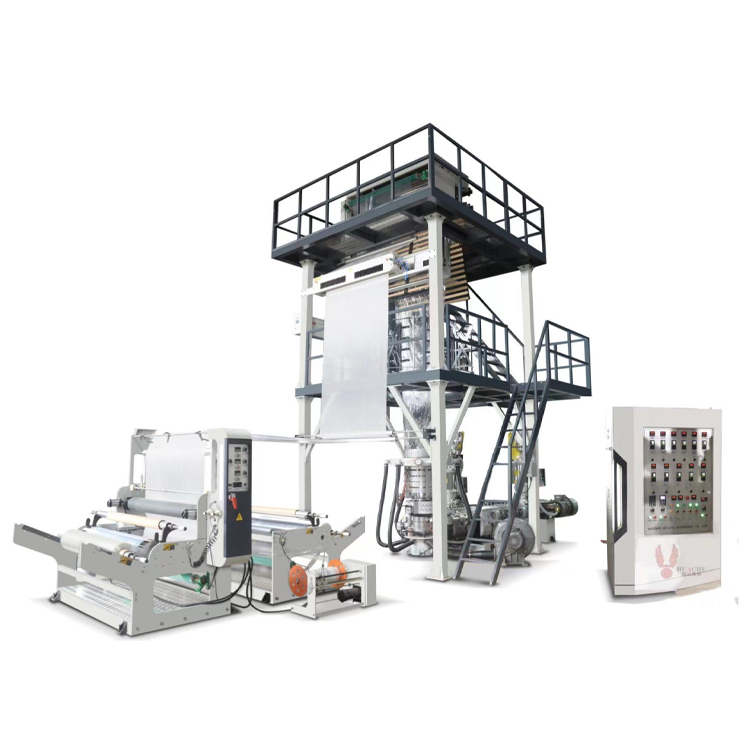
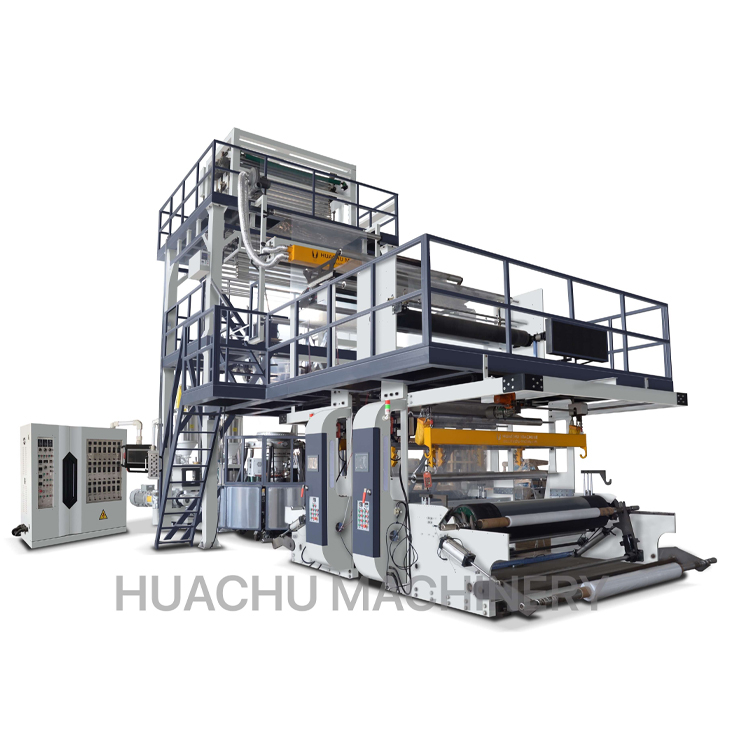
Blown film extrusion is a popular method for producing multilayer films, especially those that require high strength and excellent barrier properties. In this process, the film is extruded through an annular die, then inflated to form a bubble. The bubble is cooled by high-velocity air, ensuring the film remains strong and flexible.
Advantages: The blown film process produces films that are durable, flexible, and lightweight. It’s especially useful for making films for packaging food, pharmaceuticals, and industrial goods.
Use Cases: Blown film extrusion is commonly used for films like stretch wrap, shrink films, and barrier films.
T-die Process: Its Role in Ensuring Uniformity and Quality
The T-die process is used in flat film extrusion. The molten polymer is spread into a flat sheet, which then cools and solidifies. This method ensures even thickness and uniformity across the entire film.
Role in Uniformity: The T-die helps maintain consistent film thickness, essential for applications like food packaging, where uniform barrier properties are crucial.
Quality Control: By adjusting the die, manufacturers can fine-tune the properties of the film, ensuring it meets specific requirements.
Blown Film Extrusion: Advantages and Use Cases
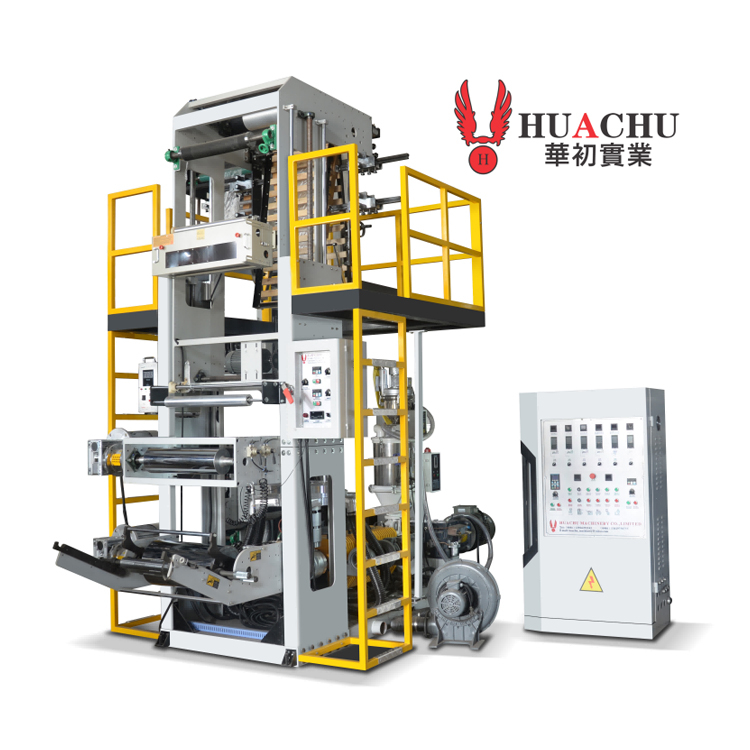
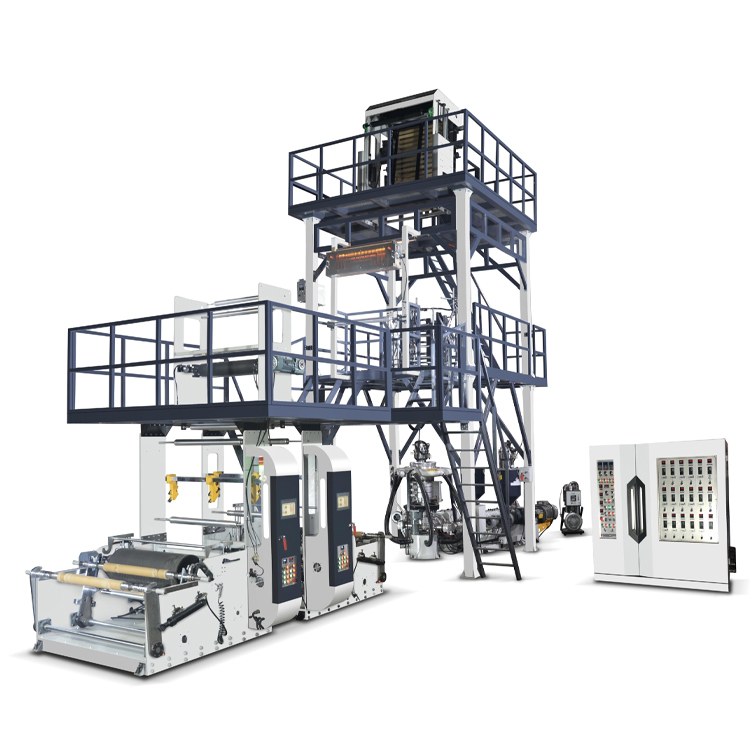
Blown film extrusion is a popular method for producing multilayer films, especially for packaging applications that require high strength and excellent barrier properties. In this process, the molten polymer is extruded through an annular die and inflated to form a bubble. This bubble is then cooled by high-velocity air, resulting in a durable, flexible film.
A Film Blowing Machine is the key equipment used in this process. It controls the extrusion and inflation of the polymer, ensuring uniform thickness and high-quality film. This machine is crucial in producing films that meet specific requirements for strength, flexibility, and barrier properties, making it ideal for a range of products, from food packaging to industrial goods.
Advantages: The film blowing process produces films that are flexible, durable, and lightweight. It is commonly used for stretch films, shrink films, and barrier films.
Use Cases: Blown film extrusion is widely used in food packaging, medical packaging, and various industrial applications due to its versatility and cost-effectiveness.
By using a Film Blowing Machine, manufacturers can achieve precise control over film quality, making it a preferred method for multilayer film production.
What Are the Key Uses of Multilayer Film?
Multilayer films have a wide range of applications across different industries, thanks to their versatility and performance. These films are designed to offer specific properties, such as barrier protection, strength, and flexibility, making them ideal for various uses.
Common Applications of Multilayer Film
Packaging: Food, Beverage, Pharmaceutical, and Industrial Goods
Multilayer films are commonly used in packaging due to their ability to extend shelf life and protect contents from environmental factors. They can be found in packaging for:
Food and Beverage: Films that block moisture, gases, and light to preserve freshness and taste.
Pharmaceuticals: Protective films that safeguard sensitive medicines from external elements like humidity and light.
Industrial Goods: Multilayer films are used for packaging machinery parts, automotive components, and other industrial materials that need extra protection during transportation and storage.
Agriculture: Greenhouse Films and Mulching
In agriculture, multilayer films are essential for improving crop yields and protecting plants. Some key uses include:
Greenhouse Films: These films control the environment by trapping heat and controlling light, allowing for optimal growing conditions.
Mulching Films: Used to cover soil, these films help retain moisture, control temperature, and prevent weed growth, ultimately boosting crop productivity.
Construction: Geomembranes
Multilayer films are also crucial in the construction industry, especially for creating geomembranes. These films are used to line surfaces, such as landfills or water containment areas, to prevent leakage and protect the environment. Their durability and resistance to chemicals make them ideal for such applications.
Advantages of Multilayer Films for Packaging
Superior Barrier Properties
One of the key benefits of multilayer films is their superior barrier protection. By combining multiple layers, these films can block moisture, gases, and light, keeping products fresh for longer.
Moisture, Gas, and Light Protection: Each layer in a multilayer film serves a unique function. Some layers block moisture, while others prevent gases or UV light from reaching the product.
Role of Each Layer: For example, one layer might be designed to keep oxygen out, while another keeps moisture in. This helps preserve food and pharmaceuticals effectively.
Examples: In food packaging, multilayer films help preserve freshness by blocking oxygen and moisture. For pharmaceutical packaging, they protect sensitive medicines from light and humidity.
Strength and Durability Compared to Traditional Films
Multilayer films also outperform single-layer films in terms of strength and durability.
Mechanical Strength: These films are designed to be stronger, making them less likely to tear or break during handling or transport.
Flexibility: Despite their strength, multilayer films are flexible enough to adapt to various shapes, offering versatile packaging options.
Puncture Resistance: Multilayer films are far more puncture-resistant than single-layer alternatives, which makes them ideal for packaging fragile or delicate items.
Cost Efficiency in Production
Multilayer films are not just strong and protective; they also offer cost benefits in production.
Reduced Waste: The co-extrusion process allows manufacturers to produce multilayer films efficiently, reducing material waste.
Energy and Labor Efficiency: The production process is streamlined, saving both energy and labor costs. By creating multiple layers in one go, it speeds up production and lowers overall costs.
Environmental Impact and Sustainability of Multilayer Films
Recyclability and Eco-Friendly Innovations
As the demand for sustainable packaging grows, efforts are underway to make multilayer films more eco-friendly.
Recyclability: Traditionally, multilayer films were challenging to recycle due to their mixed materials. However, manufacturers are developing ways to separate layers and make them more recyclable.
Biodegradable Films: Innovations in biodegradable polymers are making it possible to create films that break down naturally, reducing long-term waste.
Reduced Secondary Packaging: By combining multiple layers in a single film, less packaging material is needed. This reduces the overall environmental footprint, as fewer materials are used for packaging.
Sustainability in Production
The production of multilayer films is also becoming more sustainable.
Co-Extrusion Process: This method is not only efficient but also more sustainable. By extruding several layers at once, manufacturers can minimize energy consumption and material waste.
Reducing Production Waste: Advanced manufacturing techniques, like precision extrusion, help reduce waste by ensuring that only the required amount of material is used. This leads to more efficient production and less environmental impact.
Multilayer Film vs. Traditional Packaging Materials
Comparing Multilayer Films to Metal, Glass, and Cardboard
When it comes to packaging, multilayer films offer several advantages over traditional materials like metal, glass, and cardboard.
Lighter: Multilayer films are much lighter than glass or metal, making them easier and cheaper to transport.
Cost-Effective: Producing multilayer films is generally more affordable than using heavy packaging materials like glass or metal. They are also cheaper to handle and store.
Better Protection: While traditional materials provide basic protection, multilayer films offer superior moisture, gas, and light barriers, keeping products fresher for longer.
Practical Advantages
Ease of Handling: Multilayer films are flexible and can easily be molded into various shapes, simplifying the packaging process.
Transport and Storage: The lightweight and compact nature of multilayer films reduces shipping costs and storage space, making them more practical than bulkier alternatives like glass or metal containers.
The Future of Multilayer Film Technology
Emerging Trends in Polymer Blends
Advancements in polymer science are shaping the future of multilayer films, making them even more versatile and efficient.
Advanced Polymer Blends: New polymer combinations offer improved barrier, mechanical, and thermal properties. These innovations help create films that can better protect sensitive products and endure harsh conditions.
Customization: Manufacturers can now tailor film properties to meet specific industry needs, such as enhanced oxygen barriers for food or increased chemical resistance for pharmaceuticals.
Innovations in Sustainability
Sustainability is becoming a major focus in the development of multilayer films.
Biodegradable Multilayer Films: There’s growing interest in creating films that break down naturally, reducing long-term waste and environmental impact.
Recyclable Multilayer Films: Efforts are underway to improve recyclability, allowing consumers to easily recycle multilayer films, reducing landfill waste.
Green Technologies in Film Production: New technologies are being developed to make the production process more environmentally friendly, minimizing energy use and waste.
How to Choose the Right Multilayer Film for Your Packaging Needs
Factors to Consider When Selecting Multilayer Films
Choosing the right multilayer film depends on several factors that align with your specific packaging needs.
Application Requirements: Think about the essential properties you need. Do you need barrier protection against moisture or gases? Consider strength, flexibility, and chemical compatibility based on the product you're packaging.
Industry-Specific Needs: Different industries require different properties. For food and beverage, films must block oxygen and moisture. For pharmaceuticals, films need to protect against light and humidity. Industrial goods might need extra strength or puncture resistance.
Regulatory Compliance: Ensure that the multilayer film meets the necessary industry standards and regulations, especially in sectors like food, pharmaceuticals, and medical supplies. This ensures safety and quality.
Expert Tips on Film Customization
Film customization is key to optimizing packaging for your specific needs.
Tailoring Packaging: Customizing multilayer films allows businesses to create films that offer the perfect balance of protection and cost-efficiency for each product.
Working with Manufacturers: Collaborating with experienced manufacturers helps you select the best materials and design a multilayer film that meets both your product's needs and regulatory requirements.
Applications of Multilayer Films Across Various Industries
Food and Beverage Industry
In the food and beverage sector, multilayer films play a crucial role in preserving product freshness.
Preservation: These films protect food from moisture, oxygen, and light, helping to extend shelf life. This keeps food fresher for longer, reducing spoilage.
Examples: Multilayer films are used in packaging snacks, ready-to-eat meals, and perishable items like meat, fruits, and vegetables. The barrier properties are essential for maintaining quality throughout storage and transport.
Pharmaceuticals and Healthcare
For pharmaceuticals, packaging integrity is critical, and multilayer films provide the necessary protection.
Protection Against External Elements: These films safeguard medical products from factors like humidity, light, and contamination, ensuring their effectiveness.
Films Used: Multilayer films are commonly used in packaging sensitive pharmaceuticals, including serums, tablets, and diagnostic kits. Their ability to preserve the integrity of these products is essential in healthcare settings.
Industrial Goods
Multilayer films are also vital for packaging industrial products that require extra strength and durability.
Heavy-Duty Packaging: They offer excellent protection against harsh conditions during transport and storage, preventing damage.
Common Uses: These films are used for packaging machinery parts, automotive components, and construction materials. Their strength and flexibility make them ideal for handling tough, heavy-duty products.
Conclusion: Why Multilayer Films are Essential in Modern Packaging
Multilayer films offer superior protection, durability, and sustainability, making them ideal for various industries. Understanding their benefits helps businesses stay competitive in today's market. By adopting multilayer films, companies can enhance their packaging strategies and improve product preservation. Explore how multilayer films can elevate your packaging solutions and drive efficiency.
FAQs About Multilayer Films
1. What are multilayer films made of?
Multilayer films are made by combining different materials such as polyethylene, polypropylene, and EVOH to enhance properties like strength, flexibility, and barrier protection.
2. How do multilayer films help preserve food?
They provide excellent barrier protection against moisture, gases, and light, keeping food fresh for longer periods and extending shelf life.
3. Can multilayer films be recycled?
Efforts are being made to improve the recyclability of multilayer films. New technologies are focused on separating layers for easier recycling.
4. What industries use multilayer films?
Multilayer films are used across various industries, including food and beverage, pharmaceuticals, healthcare, and industrial goods packaging.
5. What makes multilayer films more durable than single-layer films?
The multiple layers in multilayer films provide additional strength, puncture resistance, and better protection, making them more durable than single-layer alternatives.