Introduction
Have you ever wondered how everyday products like shopping bags or stretch wraps are made? The Blown Film Machine plays a crucial role in transforming raw materials into versatile plastic films used in various industries. But with so many products made using this technology, how do manufacturers know which setup works best for their needs?
In this article, we’ll explore what products can be made using a Blown Film Machine, how to choose the right machinery for your needs, and the impact of different materials and processes on the final product. We will also discuss key factors that can help streamline production while ensuring high-quality outcomes.
What Is a Blown Film Extrusion Line and a Blown Film Machine?
How the line turns resin into film rolls
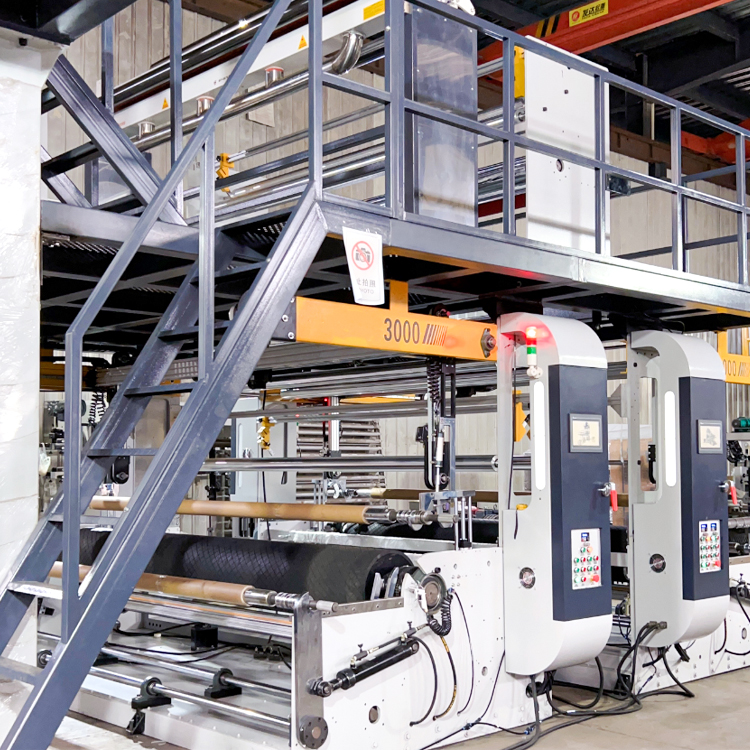
A blown film extrusion line turns plastic pellets into finished film rolls for converting. The extruder melts the resin and pushes a stable melt stream forward. The die shapes the melt into a thin tube, then inflation air expands it into a bubble. Cooling locks the bubble into a solid film structure, and the collapsing frame flattens it into a web. Finally, the winder builds usable rolls for bag making, printing, or lamination. The Blown Film Machine is the core of this system because it controls melt stability, pressure behavior, and output consistency. When it runs smoothly, the rest of the line can hold gauge, width, and roll quality far more easily.
Tube output vs slit sheet output
Blown film starts as a tube, and that is one reason it supports many products. We can keep the film as a tube for bag production, which saves a converting step later. Or we can slit it and produce flat film for printing, lamination, and wrapping lines. Tube production works well for T-shirt bags, liners, and many retail bag formats. Slit film works well for shrink and stretch applications, plus base webs used in laminates. This flexibility helps plants shift product mix based on market demand without replacing the full line. It also makes the Blown Film Machine a strategic asset rather than a single-product tool.
Why blown film fits flexible packaging needs
Flexible packaging needs a balance of strength, sealing performance, and runnability. Blown film often delivers strong tear balance and good puncture resistance, especially when we use LLDPE-rich blends. It also supports a wide thickness range, so plants can make thin packaging films and thicker industrial liners on the same platform. Many packaging products require stable width and low gauge drift, since converters depend on consistent roll supply. Blown film also supports mono and multilayer structures, which helps plants place performance where it matters and control cost where it is safe. A stable Blown Film Machine makes it easier to hit those packaging targets without constant scrap and line stops.
Products Made by a Blown Film Extrusion Line
Shopping and carry bags
Shopping bags are one of the most common products made on blown film lines. Many carry bags use HDPE or HDPE blends because it gives a crisp feel and high yield per kilogram. Some retailers want high clarity for display, while others prefer colored or matte film for branding. Bag makers also care about consistent width and stable gauge because it affects bag weight and stack appearance. If the bubble drifts, the bag line may see uneven cutting and poor stacking. For high-volume bag production, stable winding matters too, since wrinkles or loose rolls quickly turn into converting downtime. A well-tuned Blown Film Machine helps keep these core bag metrics stable through long shifts.
Trash bags and industrial liners
Trash bags and industrial liners focus more on toughness than appearance. Many use LLDPE-rich blends to improve puncture resistance and tear balance. Heavy-duty liners may use thicker gauges or wide layflat, and they often run high recycled content for cost control. That increases the need for good filtration and stable pressure control. If melt pressure surges, gauge surges can create weak spots that fail in end use. Bag seal strength also matters because liners carry load and stretch under weight. Stable cooling and draw control help keep the film structure predictable, which supports consistent sealing. Plants that run liners as a main product often benefit from robust process logging, since small drift events can create large scrap volumes.
Stretch wrap for pallets
Stretch wrap needs high stretch, strong puncture resistance, and stable unwind behavior. LLDPE is common because it stretches well and holds load on pallets. Many stretch films run thin gauges, which makes cooling and bubble control more critical. If the film stays too soft, it can neck in or wander at winding. If it becomes too stiff, it may lose holding force in real wrapping use. Slip and anti-block additives help prevent rolls from blocking, and cling additives help film layers stick to each other on the pallet. Roll hardness and tension profile matter because stretch wrap must unwind smoothly on fast wrappers. A capable Blown Film Machine supports these needs by holding steady gauge and avoiding sudden output swings.
Shrink film for bundling
Shrink film is used for bundling bottles, cans, and cartons. It must shrink in a controlled way during heat tunnel use, and it must seal well at high packaging speeds. Orientation balance matters because it affects shrink direction and shrink force. If draw-down or cooling changes, shrink performance can drift, which may cause wrinkles or loose bundles. Shrink films also need good puncture resistance before shrinking, since they face handling and transport. Many plants use multilayer structures to balance cost, strength, and seal performance. For shrink products, recipe discipline is important because small changes can alter shrink response in the customer’s packaging line.
Food packaging and consumer film
Food packaging films often need strong seal performance, stable optics, and clean processing conditions. Many food films are later printed or laminated, so surface quality matters a lot. Converters want stable gauge because it affects barrier performance and printing consistency. They also want stable slip behavior because it controls machinability on packing lines. Some products need strong hot-tack for fast sealing, while others need easy opening and controlled tear. Film odor and contamination risk must stay low, which means resin handling and filtration become more important. A stable Blown Film Machine helps by keeping melt conditions steady and reducing gel risk, which protects both quality and compliance expectations.
Agricultural and protective films
Agricultural films include greenhouse film, mulch film, and various protective covers. These products can be wide, thin, and produced at high output, so cooling capacity and bubble stability matter. Greenhouse film may need UV stability and anti-fog properties, while mulch film may require controlled opacity and tear behavior. Protective sheeting for construction or transport can demand wide widths and stable winding to avoid telescoping. When width increases, airflow symmetry and tower design become more important. If cooling is weak, the bubble becomes unstable and gauge variation increases. For many agricultural producers, the best line is one that runs wide film reliably without constant tuning shifts.
Product family | Main performance focus | Common resin choice | Typical next step |
Carry bags | Stiff feel, stable gauge | HDPE, HDPE blends | Bag making, printing |
Trash liners | Puncture and tear balance | LLDPE blends, recycle | Sealing, bag making |
Stretch wrap | Thin gauge, stretch | LLDPE-rich blends | Wrapping, slitting |
Shrink film | Controlled shrink, seals | LDPE/LLDPE blends | Heat shrink, sealing |
Food film | Seal and optics | LDPE/LLDPE, clean resin | Printing, lamination |
Ag film | Width, UV durability | LDPE/LLDPE, additives | Slitting, folding |
Tip: Define your top three products first, then size the line around them.
How Product Requirements Shape Film Design
Strength and sealing targets
Each product has a different “must-have” strength profile. Carry bags need tear balance and strong handles after converting. Liners need puncture resistance because sharp waste is common. Stretch films need controlled stretch and recovery to hold pallets. Shrink films need seal integrity plus shrink control. Sealing speed also matters, since packaging lines can run very fast. If hot-tack is weak, the packer slows and rejects rise. If the seal window is narrow, operators struggle during temperature swings. We can tune resin blends, draw-down, and cooling to hit targets, but each change can shift MD and TD strength differently. That is why product design should start from end-use needs, not only from resin cost.
Optics and barrier targets
Many consumer products demand consistent clarity and low haze. Cooling profile, resin grade, and additive dosing can all change haze and gloss. For barrier needs, many blown films are used as base layers that get laminated later. Even then, base film still needs stable thickness because barrier performance can vary when gauge varies. Optical consistency also affects printing quality and customer acceptance. If the product requires premium appearance, we often choose cleaner resins and tighter process control, even if raw material cost is higher. In B2B supply, stable optics is often a key differentiator because it reduces customer complaints and repeat testing.
Note: When targets conflict, decide the top priority property first.
Material and Layer Choices for Different Products
Matching LDPE, LLDPE, and HDPE
Resin selection quickly shapes film behavior. HDPE gives stiffness and higher yield, which supports thin carry bag film and crisp retail feel. LDPE gives softness and often supports easier sealing behavior. LLDPE gives strong toughness and stretch, which is why it is common in liners and stretch applications. Most plants use blends because they need balanced performance and stable processing. Blends also help reduce risk when resin prices change or supply tightens. Your Blown Film Machine should handle the planned blend range without constant instability, since viscosity shifts can cause pressure surges and gauge drift.
Layers and additives for performance and cost
Layer design gives plants more control over both performance and cost. A skin layer can focus on optics, printing, and stable slip. A core layer can focus on strength and cost, including recycled resin use when regulations and product use allow it. Many plants use ABA structures because they allow cost optimization while protecting surface quality. Core layers can also include CaCO₃ filler for cost reduction and stiffness increase in some products. Additives also matter because they change blocking, slip, and durability in real handling. Accurate dosing keeps additive benefits consistent across shifts, which supports stable converting and fewer quality claims.
Option | What it improves | Best match products |
HDPE | Stiffness, yield | Carry bags, retail bags |
LDPE | Softness, sealing | Shrink, general packaging |
LLDPE | Toughness, stretch | Liners, stretch films |
ABA layers | Cost plus clean skins | General films, packaging |
Recycle core | Lower cost, sustainability | Liners, non-food films |
CaCO₃ core | Cost control, stiffness | Bags, select general films |
Tip: Validate blends on sealing and blocking, not only on strength.
Key Line Components That Decide What You Can Make
Die and melt system
The melt system sets stability before the bubble even forms. The extruder must keep output steady under changing load, and it must provide consistent melt temperature. A screen changer helps remove contamination and gels, which protects film appearance and strength. When plants use recycled content, filtration becomes even more important. The die also plays a major role because it distributes melt around the tube. If distribution is uneven, gauge bands appear across the web and cause converting problems later. A melt pump can smooth pressure and reduce pulsation on sensitive products, especially thin films. Strong melt stability expands your product range because it reduces random quality swings.
Cooling and bubble control
Cooling often sets the true speed limit. The air ring cools the bubble surface and shapes the frost line. If airflow is uneven, bubble lean and gauge drift rise quickly. Internal bubble cooling can add capacity for thin films or high output products. Sensors can help hold layflat width steady, which matters for bag lines and printing. Stable internal pressure also reduces breathing and wobble, which protects winding quality. When bubble motion drops, roll quality improves and converting becomes more consistent. For many plants, upgrading cooling and control expands product range more than increasing motor power.
Haul-off and winding control
Haul-off speed controls draw-down, which directly affects film thickness. If haul-off speed drifts, gauge drifts fast and scrap grows. Nip stability matters because it seals the bubble and supports stable internal pressure. Winding must match film friction and stiffness. Loose winding can trap air and cause telescoping, while over-tight winding can stretch film and change properties. Turret winders help plants reduce downtime on high volume products, but they also require good tension tuning. Good haul-off and winding control allows more products because it reduces defects when switching thickness and resin type.
Automation for gauge and scrap reduction
Automation supports repeatability, especially in multi-product plants. Recipe control helps operators return to stable settings after trials. Trend charts reveal slow drift that can lead to defects later. Online thickness tools can detect gauge patterns early, which helps teams correct issues before scrap piles up. Layflat sensors can correct width drift during long runs, which helps bag lines run smoother. Alarm logic can guide faster troubleshooting at night shifts. Automation does not replace good fundamentals, but it can reduce variation and help teams keep quality stable with fewer experienced operators.
How to Choose the Right Blown Film Machine for Your Product Mix
Specs you must define first
Start from your product plan, not from equipment catalogs. Define target width, thickness range, and required output. List your top three SKUs by volume and margin, then define resin blends and layer goals. Also define key quality targets such as haze, sealing speed, and winding quality needs. Those targets guide die size, cooling package, and winder choice. If you plan wide film, tower design and bubble stability become more critical. If you plan thin film, cooling capacity and control features matter more. A Blown Film Machine that fits your real product mix will reduce trial time and support stable production.
Cost, energy, and stability trade-offs
Capex is only part of the cost picture. A lower-cost line may have weaker cooling, which limits speed and raises scrap. A basic control package may slow changeovers and increase off-spec meters. Energy matters, but stability often matters more because scrap and downtime can cost far more than power savings. The best metric is cost per sellable kilogram, not just kW rating. Also think about future product growth. If you may need multilayer later, an upgrade path can protect your investment. Buyers who plan only for today often face expensive limitations within two years.
Support, training, and spares planning
Supplier support affects real success after installation. Training helps operators hold stable quality and reduce “trial and error” waste. Spare parts planning prevents long downtime caused by small failures. Ask about response time, remote troubleshooting, and process guidance during commissioning. Ask how they support die cleaning, air ring tuning, and recipe optimization. Good support also helps you validate new products faster, which matters for competitive markets and custom orders. In B2B production, reliable support often becomes a bigger value than small hardware differences.
Tip: Ask for acceptance tests tied to your real products, not generic samples.
Quality Checks and Pitfalls When Switching Products
Common defects when you change products
Switching products often triggers instability. Gauge variation can rise during resin changes and thickness shifts. Bubble breathing can appear when cooling balance changes. Blocking can increase when slip or anti-block is not adjusted for the new gauge. Gels can rise when recycled content increases or screens load faster. Wrinkles can appear when tension settings do not match film stiffness. Telescoping can show up when winding profiles remain unchanged. These issues are normal during early trials, but they become costly when plants lack a clear method. A structured changeover routine helps reduce both scrap and downtime.
A simple validation plan for each new product
A simple validation plan keeps trials efficient. First, stabilize melt temperature and pressure behavior. Second, lock bubble diameter and frost line position. Third, confirm gauge profile across the web and check roll build quality. Then test sealing, blocking, and unwind performance on the converting line. Add strength tests for puncture, tear, and dart drop when needed. For food packaging, add odor and cleanliness checks. Log settings and results so the next run starts closer to success. Over time, the plant builds a library of stable recipes and changeover steps, which is one of the strongest ways to improve profitability.
Note: Always validate on the converting line, not only on lab samples.
Conclusion
Blown film extrusion lines are versatile machines that produce a wide range of products. From packaging materials to agricultural films, the variety of films that can be made is vast. By understanding the features and capabilities of a Blown Film Machine, manufacturers can better choose the right setup for their needs, improving efficiency and product quality.
Wenzhou Huachu Machinery Co., Ltd. offers advanced Blown Film Machines designed for optimal performance. Their machinery delivers high precision and reliability, making it the ideal choice for businesses looking to produce high-quality films consistently. The company's commitment to innovation and quality ensures that their clients can meet the ever-growing demands of the film industry.
FAQ
Q: What products can a Blown Film Machine make?
A: A Blown Film Machine can make bags, liners, stretch wrap, shrink film, food film, and agricultural film.
Q: How do I choose the right Blown Film Machine for my product?
A: Pick a Blown Film Machine based on film width, thickness range, output rate, and layer needs.
Q: Why use multi-layer structures in blown film?
A: They balance cost and performance, and they can improve strength, sealing, and surface quality.
Q: What causes unstable quality when switching products?
A: Changes in resin, cooling, and winding settings can shift gauge, blocking, or wrinkles during changeovers.


