Did you know that blown film extrusion is a cornerstone of the plastic industry? This innovative process produces thin films used in various applications, from packaging to agriculture.
In this article, we’ll explore the blown film extrusion process, its key applications, and the latest innovations shaping the industry. You'll learn how this technology enhances packaging solutions and contributes to sustainability efforts. Join us as we dive into the fascinating world of blown film extrusion!
What is Blown Film Extrusion?
Blown film extrusion is a widely used manufacturing process that transforms plastic pellets into thin, flexible films. This technique involves heating polymer resin, extruding it through a circular die, and then inflating the resulting tube with air to create a bubble. The bubble is cooled and flattened to produce a continuous film, which can be wound onto rolls for various applications.
Historical Context and Evolution of the Process
The roots of blown film extrusion date back to the 1930s when it was first developed as a method for producing plastic films. Over the decades, advancements in technology have significantly improved the efficiency and capabilities of this process.
● Early Developments: Initially, the process was rudimentary, focusing on basic film production.
● Technological Advancements: The introduction of multi-layer co-extrusion systems in the 1980s revolutionized the industry. This allowed manufacturers to create films with enhanced barrier properties by combining different materials.
● Modern Innovations: Today, companies leverage automation and sophisticated control systems to optimize production and ensure consistent quality.
Comparison with Other Film Extrusion Methods
Blown film extrusion is often compared to cast film extrusion, another common method for producing plastic films. Here’s a quick breakdown of the differences:
Feature | Blown Film Extrusion | Cast Film Extrusion |
Process | Extrudes molten plastic into a bubble | Extrudes molten plastic onto chilled rolls |
Film Properties | Generally thicker, more durable films | Thinner, smoother films with high clarity |
Cooling Method | Air cooling, leading to slower solidification | Rapid cooling on chill rolls |
Applications | Versatile; used in packaging, agriculture | Ideal for applications requiring clarity |
While both methods have their advantages, blown film extrusion is particularly favored for its versatility. It can produce films suitable for various applications, including packaging, agriculture, and industrial uses.
Overview of the Versatility of Blown Film Extrusion
Blown film extrusion stands out for its adaptability across multiple industries. Here are some key applications:
● Packaging: Blown films are commonly used for food packaging, including multi-layer films that provide excellent moisture and oxygen barriers. These films help extend the shelf life of products.
● Agricultural Films: In agriculture, blown films serve as greenhouse covers and mulching films, protecting crops and enhancing yields. Biodegradable options are also available, supporting sustainable practices.
● Industrial Uses: High-strength films produced through this method are essential for logistics and packaging in various industrial sectors. They are often used in stretch hoods and bags.
The ability to customize film properties—such as thickness, strength, and barrier characteristics—makes blown film extrusion a preferred choice for manufacturers looking to meet specific market demands.
With ongoing innovations, such as the integration of recycled materials and advancements in automation, blown film extrusion continues to evolve, maintaining its critical role in the plastic manufacturing landscape.
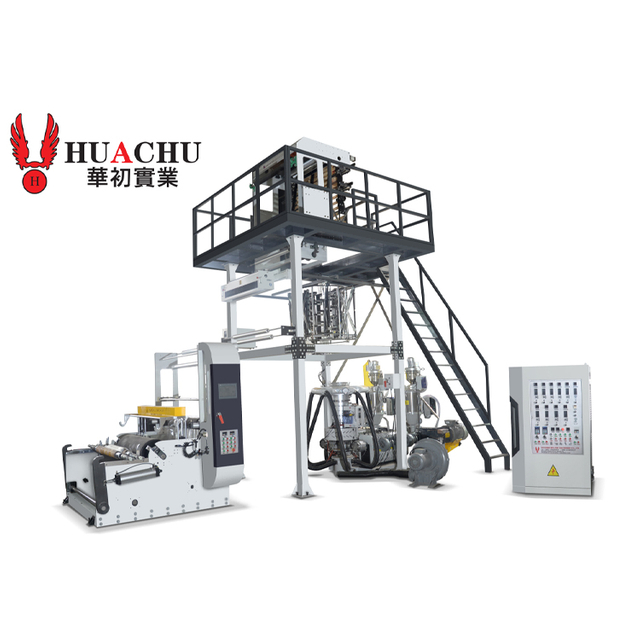
The Blown Film Extrusion Process
Blown film extrusion is a fascinating process that transforms raw plastic materials into versatile films. Understanding the steps involved can help appreciate its complexity and efficiency. Here’s a breakdown of each stage in the blown film extrusion process.
Step 1: Material Preparation
Material preparation is the foundation of blown film extrusion. The choice of raw materials directly impacts the final film's properties. Common materials include:
● LDPE (Low-Density Polyethylene): Known for its flexibility and transparency, it’s often used in packaging.
● HDPE (High-Density Polyethylene): Offers higher strength and rigidity, making it suitable for heavier applications.
● LLDPE (Linear Low-Density Polyethylene): Combines the benefits of LDPE and HDPE, providing excellent stretch and toughness.
Importance of Material Selection
Selecting the right material is crucial. It affects:
● Film Thickness: Different materials allow for varying thicknesses.
● Mechanical Properties: Strength, elasticity, and durability depend on the polymer chosen.
● Barrier Properties: Some materials provide better moisture and oxygen barriers, essential for food packaging.
Role of Additives
Additives enhance material performance. They can improve:
● UV Resistance: Protects films from degradation due to sunlight.
● Antioxidants: Extend the shelf life of films by preventing oxidation.
● Colorants: Provide aesthetic appeal or functional properties like visibility.
Step 2: Extrusion and Bubble Formation
Once materials are prepared, the extrusion process begins. Here’s how it works:
● Extrusion Process: The plastic is heated until it melts and is then forced through a circular die. This forms a continuous tube of molten plastic.
● Formation of the Tubular Bubble: As the molten tube exits the die, air is introduced from the center, inflating it into a bubble shape.
Factors Affecting Bubble Stability
Maintaining bubble stability is essential for quality. Key factors include:
● Airflow: Proper airflow ensures even inflation and prevents collapse.
● Temperature: Consistent temperature control is critical for uniformity.
● Extrusion Speed: Balancing speed and pressure helps maintain bubble integrity.
Step 3: Cooling and Solidification
Cooling is vital for solidifying the film. Various methods are employed:
● Air Rings: These surround the bubble, cooling it gradually as it rises.
● Water Quenching: For specific applications, the bubble may be cooled using water to enhance solidification rates.
Importance of the Frost Line
The frost line is the point at which the film begins to solidify. It’s crucial for:
● Film Quality: Proper positioning of the frost line ensures uniform thickness.
● Preventing Defects: A well-maintained frost line reduces the risk of bubbles and imperfections.
Use of Non-Contact Infrared Temperature Sensors
Monitoring temperature is essential. Non-contact infrared sensors allow for:
● Real-Time Adjustments: Immediate feedback helps maintain optimal conditions.
● Quality Control: Ensures consistent film properties throughout production.
Step 4: Collapsing and Winding
The final step involves collapsing the bubble and winding the film. Here’s how it’s done:
● Flattening the Bubble: The inflated tube is collapsed into a flat film using rollers.
● Winding Techniques: The flattened film is wound onto rolls for storage and distribution.
Options for Slitting
Manufacturers can choose to:
● Slit into Flat Sheets: For applications requiring sheets of film.
● Retain as a Tube: For products needing tubular films, such as bags.
This systematic approach to blown film extrusion highlights the intricacies of the process, ensuring the production of high-quality films tailored for various applications. Each step plays a vital role in determining the film's final properties and usability across industries.
Key Process Parameters in Blown Film Extrusion
Understanding the key process parameters in blown film extrusion is essential for producing high-quality films. These parameters significantly influence the film's performance and characteristics. Here, we’ll explore three critical factors: Blow-Up Ratio (BUR), Freeze-Line Height, and Temperature Control.
Blow-Up Ratio (BUR)
The Blow-Up Ratio (BUR) is a crucial metric in blown film extrusion. It represents the ratio of the diameter of the inflated bubble to the diameter of the die.
● Definition and Significance: A higher BUR indicates a larger bubble, which can affect the film’s properties. It’s essential for achieving the desired thickness and mechanical strength.
● Impact on Film Thickness and Strength:
○ A higher BUR typically results in thinner films.
○ While this can reduce material costs, it may also compromise strength.
○ Conversely, a lower BUR can produce thicker, stronger films, but at a higher material cost.
● Risks Associated with Excessive BUR:
○ Excessive BUR can lead to instability in the bubble, causing defects like uneven thickness or even collapse.
○ Manufacturers must carefully balance BUR to optimize both quality and efficiency.
Freeze-Line Height
Freeze-line height refers to the point at which the film begins to solidify as it rises from the die. This parameter is vital for ensuring film quality.
● Importance for Stability and Quality:
○ Proper positioning of the freeze line is crucial for maintaining uniform thickness.
○ An optimal freeze line helps prevent defects like bubbles or wrinkles, ensuring a smooth, consistent film surface.
● Optimization Techniques to Maximize Film Properties:
○ Adjusting the cooling rate can help control the freeze line.
○ Using air rings effectively can enhance cooling efficiency, stabilizing the bubble as it rises.
○ Regular monitoring of the freeze line allows for quick adjustments to maintain quality.
Temperature Control
Temperature control is another fundamental aspect of blown film extrusion. Maintaining the right temperature is critical for achieving consistent film properties.
● Role in Ensuring Consistent Film Properties:
○ Temperature affects the viscosity of the molten polymer, influencing how well it flows through the die.
○ Consistent temperatures lead to uniform film thickness and improved mechanical properties.
● Technologies Used for Monitoring and Control:
○ Advanced temperature control systems, including non-contact infrared sensors, provide real-time data.
○ These technologies enable manufacturers to make immediate adjustments, ensuring optimal conditions throughout the extrusion process.
● Impact on Crystallinity and Mechanical Properties:
○ Temperature variations can affect the crystallinity of the film, which in turn influences its strength and flexibility.
○ Proper temperature management helps achieve the desired balance between these properties.
Parameter | Importance | Impact on Film Quality |
Blow-Up Ratio (BUR) | Affects thickness and strength | Higher BUR = Thinner films, potential instability |
Freeze-Line Height | Ensures uniform thickness and prevents defects | Optimal height stabilizes the bubble |
Temperature Control | Maintains viscosity and flow characteristics | Consistent temperature = Consistent quality |
These key parameters in blown film extrusion play a critical role in determining the final product's performance. By understanding and optimizing BUR, freeze-line height, and temperature control, manufacturers can enhance film quality while maximizing efficiency.
Applications of Blown Film Extrusion
Blown film extrusion plays a vital role in various industries, thanks to its versatility and efficiency. From packaging to agriculture, this process produces films that meet diverse needs. Let’s explore some key applications of blown film extrusion.
Packaging Industry
The packaging industry is one of the largest consumers of blown film extrusion. The films produced are essential for protecting products and enhancing their shelf life.
● Food Packaging: Multi-layer films are commonly used in food packaging due to their excellent barrier properties. These films prevent moisture and oxygen from compromising food quality.
○ High-Performance Examples: Companies like Davis-Standard have developed advanced 11-layer co-extrusion lines. These systems create films that combine different materials, optimizing barrier performance and mechanical strength.
● Stretch and Shrink Films: Blown films are also used for stretch and shrink applications. Stretch films provide strong load-holding capabilities, while shrink films conform tightly around products, offering protection and visibility.
Application Type | Description | Key Benefits |
Food Packaging | Multi-layer films with barrier properties | Extended shelf life, freshness |
Stretch Films | Strong films for securing loads | Load stability, reduced damage |
Shrink Films | Films that conform to product shapes | Enhanced visibility, protection |
Agricultural Applications
Agriculture benefits significantly from blown film extrusion. Films produced through this process help improve crop yields and protect plants.
● Mulching Films: These films are used to cover soil, reducing weed growth and conserving moisture. Biodegradable blends are becoming popular, supporting sustainable practices.
● Greenhouse Films: UV-stabilized films are essential for greenhouse applications. They allow optimal sunlight penetration while protecting plants from harmful UV rays.
● Crosslinking Agents: By incorporating crosslinking agents, manufacturers can enhance the mechanical strength of agricultural films. This improves durability, allowing films to withstand environmental stress.
Industrial and Specialty Films
Blown film extrusion also caters to industrial and specialty applications. The films produced here serve critical roles in various sectors.
● Barrier Films for Medical and Hygiene Products: These films offer superior protection against contamination. They are crucial for packaging medical supplies and hygiene products, ensuring safety and compliance.
● High-Strength Films for Logistics: Films used in logistics, such as stretch hoods and bags, require high strength and durability. Blown film extrusion provides solutions that prevent damage during transportation and storage.
Application Type | Description | Key Benefits |
Medical Barrier Films | Films that protect medical products | Safety, compliance |
Logistics Films | High-strength films for securing loads | Damage prevention, efficiency |
Blown film extrusion is indispensable across these applications. Its ability to produce tailored films makes it a go-to solution for manufacturers seeking quality and performance. As technology advances, we can expect even more innovative uses for blown film extrusion in the future.
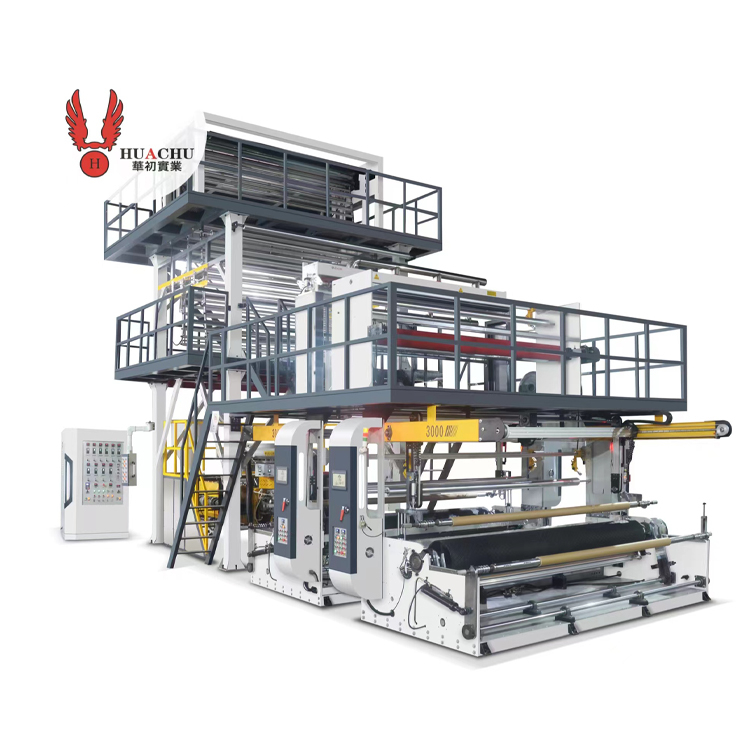
Innovations in Blown Film Extrusion
Blown film extrusion is witnessing significant innovations, enhancing its efficiency and expanding its applications. From multi-layer co-extrusion to eco-friendly practices and advanced automation, these developments are shaping the future of the industry. Let’s explore these exciting innovations.
Multi-Layer Co-Extrusion
Multi-layer co-extrusion is a groundbreaking advancement in blown film technology. This process allows for the creation of films with multiple layers, each serving a specific function.
● Advantages of Multi-Layer Films:
○ They combine different materials to enhance barrier properties, mechanical strength, and flexibility.
○ Multi-layer films can be customized for various applications, providing tailored solutions for specific needs.
● Examples of Advanced Systems:
○ Brampton Engineering’s AeroFrost technology is a prime example. This system enables the production of high-performance films with exceptional clarity and strength.
● Applications in Enhancing Functionality:
○ These films are widely used in food packaging, where superior barrier properties extend shelf life.
○ They also find applications in medical packaging, where safety and compliance are critical.
Eco-Friendly Innovations
Sustainability is a major focus in the blown film extrusion industry. Innovations are being introduced to reduce environmental impact.
● Development of Biodegradable Films:
○ New blends, such as PBAT/PE, are being developed to create biodegradable films. These materials break down more easily in the environment, addressing plastic pollution concerns.
● Integration of Recycled Materials:
○ The Reifenhäuser EVO process exemplifies how recycled materials can be incorporated into production. This approach not only reduces waste but also lowers raw material costs.
● The Role of Sustainability in Future Innovations:
○ As consumer demand for eco-friendly products grows, manufacturers are prioritizing sustainable practices. Innovations in material science will likely continue to focus on reducing the carbon footprint of blown film production.
Innovation Type | Description | Key Benefits |
Multi-Layer Co-Extrusion | Produces films with enhanced properties | Customization, improved performance |
Biodegradable Films | Films that decompose more easily | Reduced environmental impact |
Recycled Materials | Incorporating recycled content into films | Cost savings, waste reduction |
Automation and Control Technologies
Automation is transforming blown film extrusion, improving efficiency and consistency. Advanced control technologies are at the forefront of this change.
● Impact of Automation on Process Efficiency:
○ Automated systems streamline production processes, reducing labor costs and minimizing human error. This leads to faster turnaround times and higher output.
● Examples of Advanced Control Systems:
○ Fluke’s infrared scanners are an excellent example of technology enhancing monitoring capabilities. These devices allow for precise temperature control, ensuring optimal conditions throughout the extrusion process.
● Benefits of Real-Time Monitoring for Quality Assurance:
○ Real-time data collection helps manufacturers quickly identify and address issues. This proactive approach ensures consistent film quality and reduces waste.
The innovations in blown film extrusion are not just about improving efficiency; they also focus on sustainability and enhanced functionality. As the industry continues to evolve, these advancements will play a crucial role in meeting the demands of various sectors while addressing environmental concerns.
Conclusion
Blown film extrusion is vital in various industries. It enhances packaging, agriculture, and specialty films. Key innovations include multi-layer co-extrusion, eco-friendly films, and advanced automation. Companies like Huachu lead the way with products that offer unique advantages, such as superior barrier properties and sustainability. As the industry evolves, Huachu's commitment to quality ensures it meets future demands effectively. Their innovative solutions provide exceptional value to customers.
FAQ
Q: What is the blown film extrusion process?
A: The blown film extrusion process involves melting plastic and forming it into a tubular film. This method is widely used for producing flexible packaging materials.
Q: How are blown films used in packaging?
A: Blown films are essential in packaging due to their excellent barrier properties, which help preserve food freshness and extend shelf life.
Q: Why choose multi-layer blown films?
A: Multi-layer blown films offer enhanced strength and functionality, allowing for customized solutions tailored to specific packaging needs.
Q: What are the advantages of blown film extrusion?
A: The blown film extrusion process provides high efficiency, versatility, and the ability to produce films with varying thicknesses and properties.
Q: What factors affect the cost of blown film production?
A: Costs can vary based on material selection, production scale, and technology used in the blown film extrusion process.
Q: How can I troubleshoot issues with blown film quality?
A: Common issues include uneven thickness or defects, which can often be resolved by adjusting temperature and pressure settings during the blown film extrusion process.


